
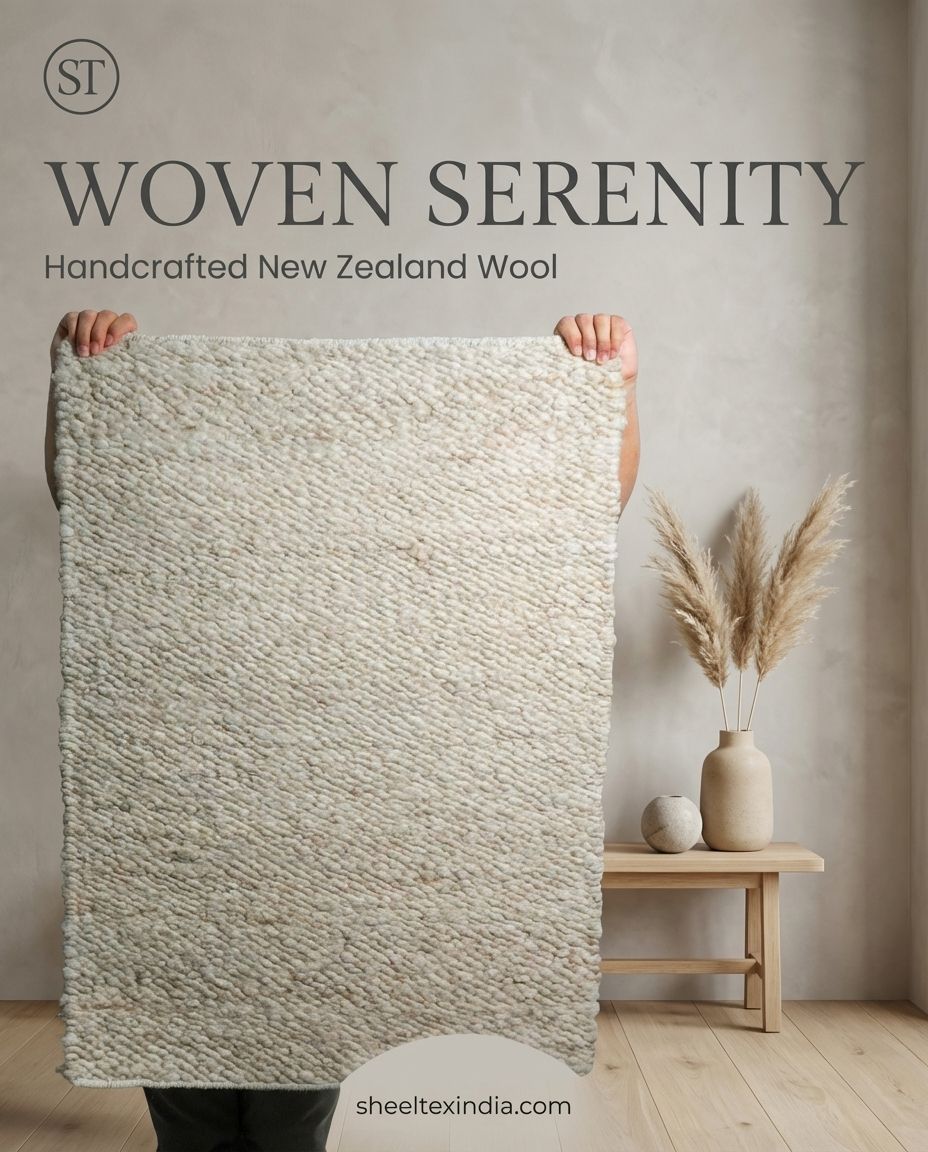
The global rug market is shifting toward sustainable materials and artisan craftsmanship. For B2B buyers sourcing for retail, hospitality, or interior design projects, wool handwoven rugs are emerging as the top choice in 2026. This guide highlights six key trends that will shape buying decisions this year.
Key Takeaways
- Organic colorways and undyed wool are gaining popularity among eco-conscious buyers
- Geometric and tribal patterns inspired by nomadic traditions appeal to modern commercial spaces
- Textured weaves with high-low pile create visual depth and tactile interest
- Customizable collections are essential for hospitality and large-scale projects
- Traceability and artisan stories increase buyer confidence and premium pricing
1. Organic and Natural Colorways
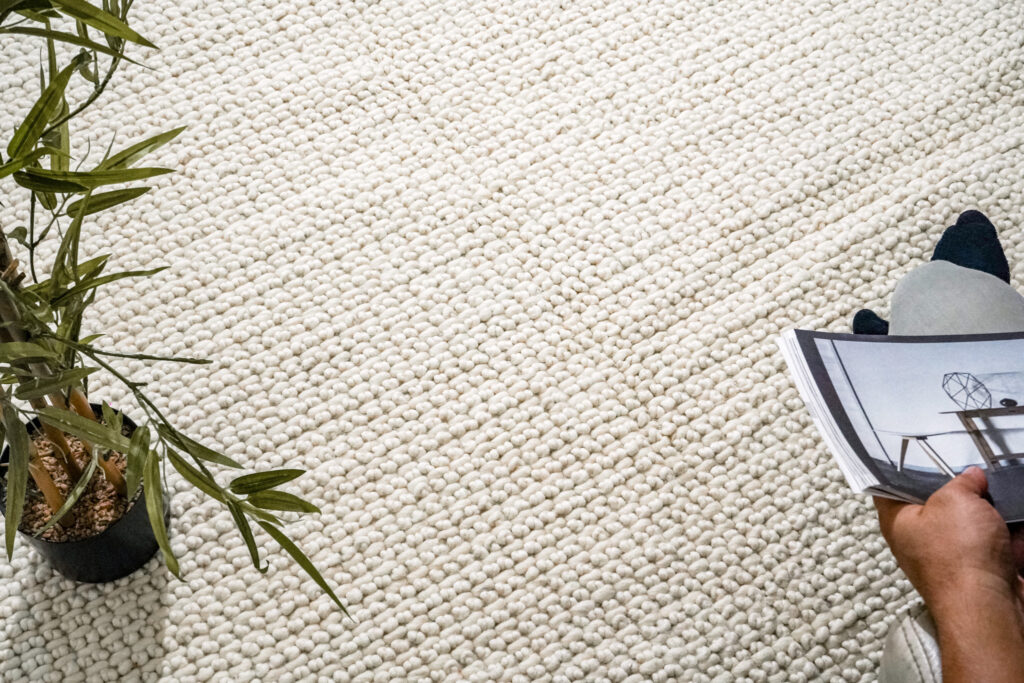
Earth tones and undyed wool are dominating the market in 2026. Buyers are moving away from synthetic dyes and requesting rugs in natural shades like cream, gray, brown, and charcoal. These colors work well in minimalist interiors and align with sustainability goals.
Many wool textured rugs from India now feature undyed fibers that showcase the natural beauty of the material. This trend appeals especially to hotels and commercial spaces seeking a calm, organic aesthetic.
2. Bold Geometric and Tribal Patterns
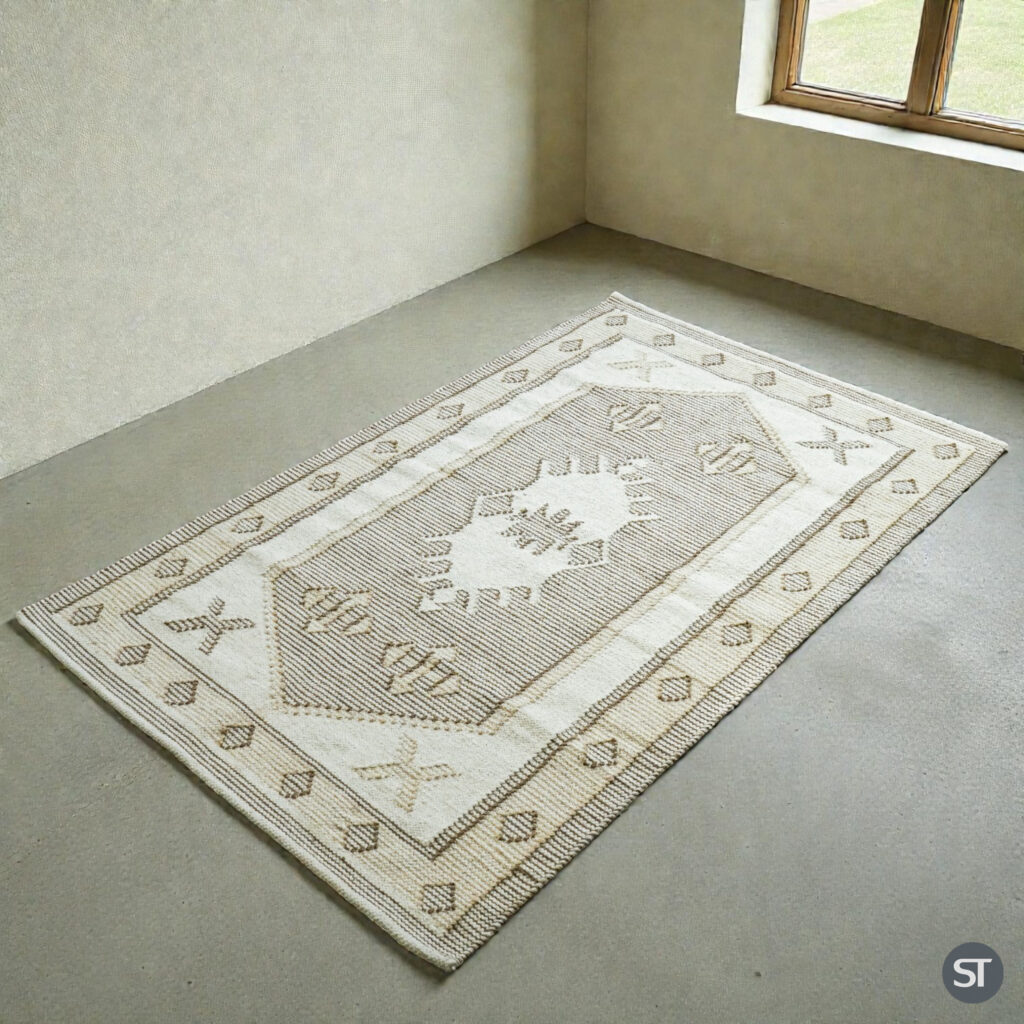
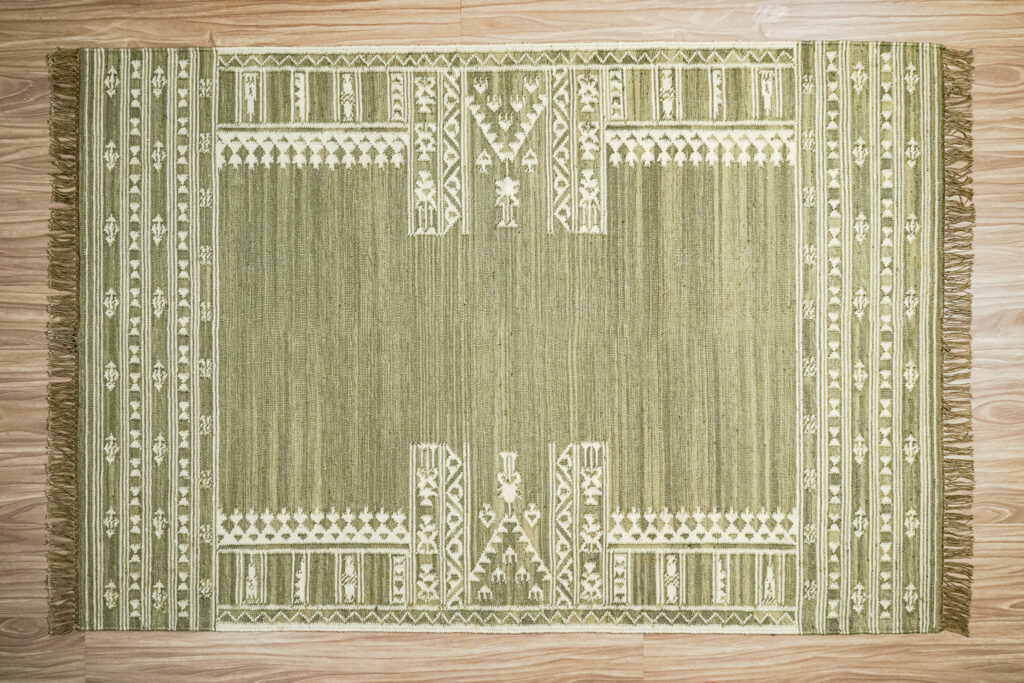
Geometric designs inspired by global nomadic traditions are making a strong return. These patterns work well in both modern and eclectic interiors. Buyers appreciate the cultural authenticity and visual impact these rugs bring to a space.
Tribal motifs offer versatility. They can anchor a contemporary living room or add character to a boutique hotel lobby. The handwoven process ensures each piece has slight variations, adding to its uniqueness and appeal.
3. Abstract and Minimalist Designs
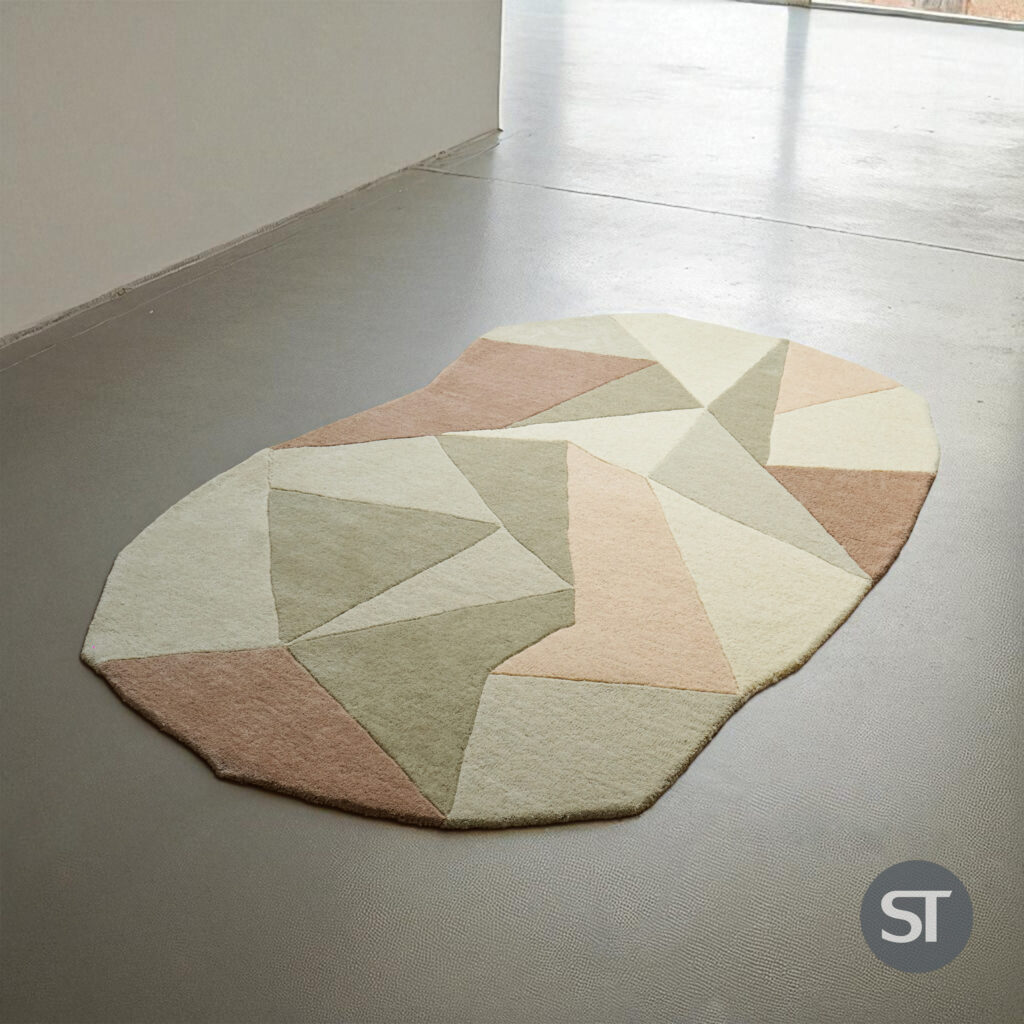
For commercial buyers furnishing offices, co-working spaces, and modern hotels, abstract minimalist rugs are ideal. These designs feature subtle patterns, muted tones, and clean lines that complement modern architecture.
Interior designers value these rugs because they don’t overpower a space. They provide texture and warmth without competing with furniture or artwork. The neutral palette also makes them easy to specify across multiple projects.
4. Layered Texture and Mixed Weaves
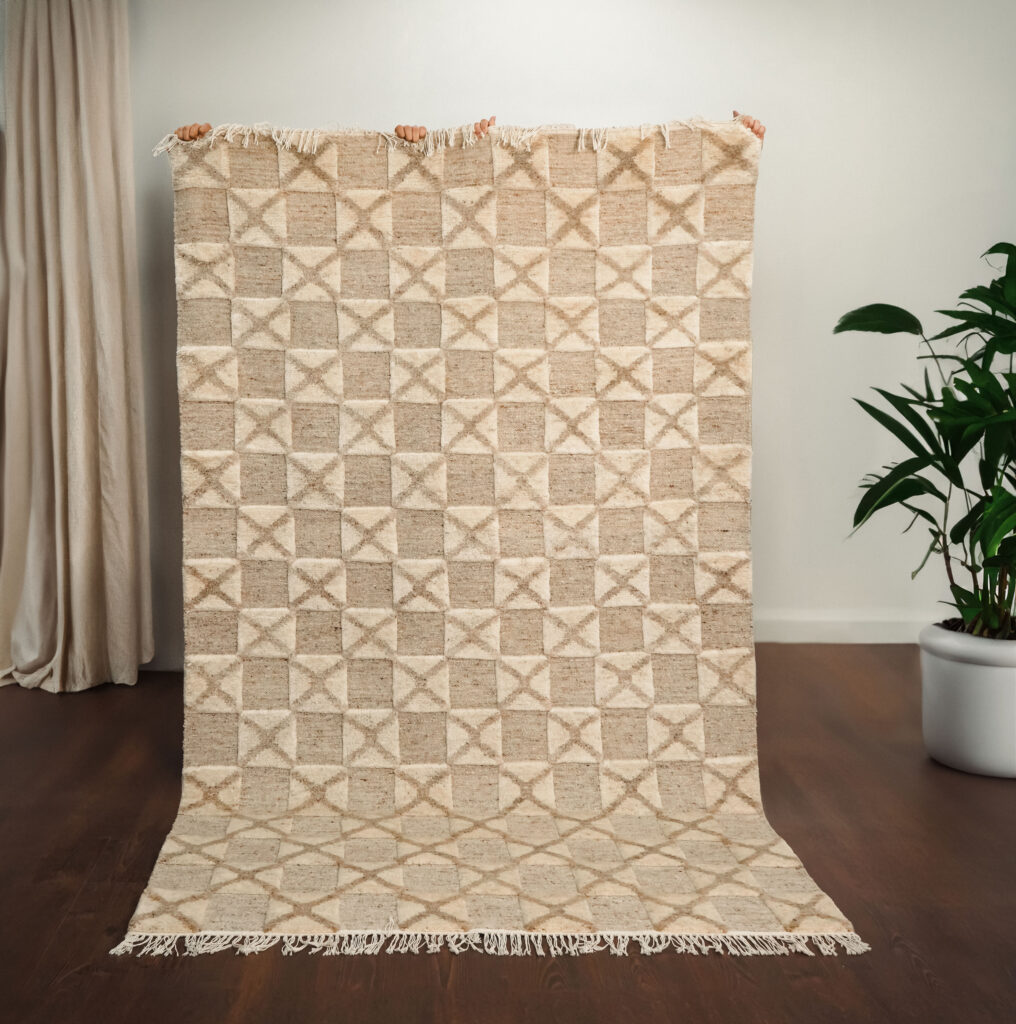
Texture is becoming as important as color and pattern. High-low pile rugs and mixed weaving techniques create depth and tactile interest. These rugs catch light differently throughout the day, adding a dynamic quality to interiors.
Many buyers are requesting rugs that combine cut and loop pile or incorporate braided and flat-weave sections. This trend is especially popular among interior designers and wholesalers who want statement pieces that feel handcrafted.
5. Vintage and Distressed Finishes
The vintage look continues to grow in popularity. Buyers are requesting rugs with distressed finishes, faded colors, and an aged appearance. These rugs add character and a sense of history to new spaces.
Handwoven wool rugs can be treated to achieve this effect while maintaining durability. The technique involves careful washing and finishing processes that soften colors and create a lived-in aesthetic. This trend works particularly well in hospitality and residential retail markets.
6. Customizable and Made-to-Order Collections
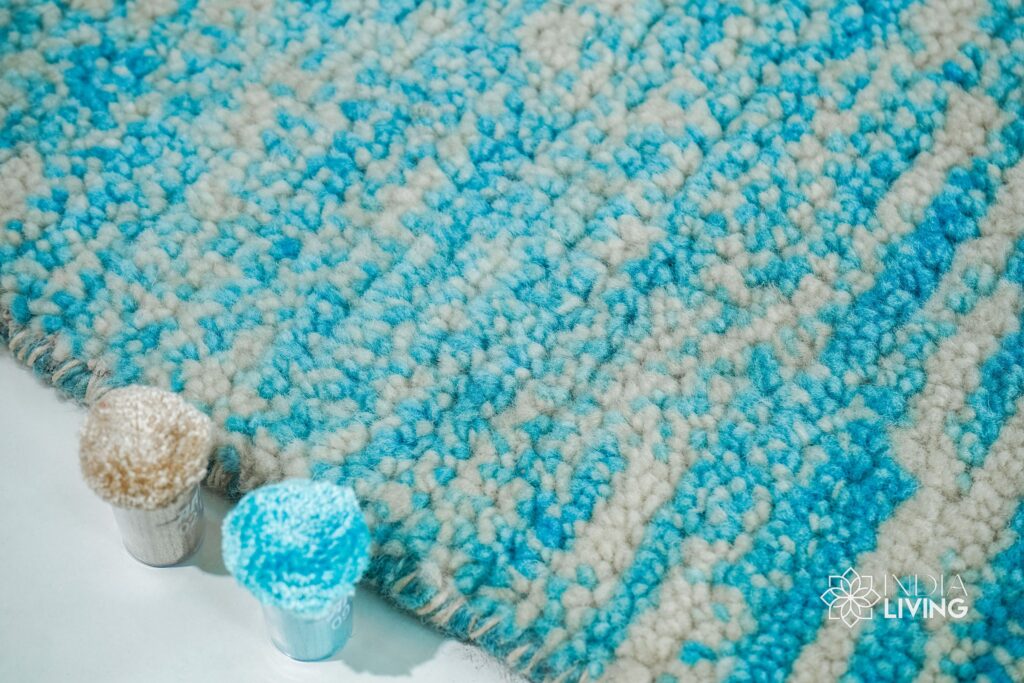
B2B buyers increasingly need customization options for large projects. Hotels, restaurant chains, and commercial developers want rugs tailored to specific dimensions, colors, and patterns that align with their brand identity.
Indian manufacturers specializing in hand-carded wool rugs offer flexibility in production. They can accommodate custom sizes, color matching, and pattern modifications. This level of service is becoming a competitive advantage for exporters.
Why Wool Remains the Preferred Fiber
Despite availability of synthetic options, wool continues to dominate the premium and mid-tier commercial rug market. Natural durability, flame resistance, and soil-hiding properties make wool ideal for high-traffic areas.
Wool is also naturally renewable and biodegradable, meeting the sustainability criteria that many buyers now require. It regulates temperature and improves indoor air quality, adding functional benefits beyond aesthetics.
Sourcing Considerations for B2B Buyers
When sourcing wool handwoven rugs from India, buyers should prioritize suppliers who can provide transparency and traceability. Documentation of materials, production processes, and artisan collaboration strengthens the product story.
Look for manufacturers who offer reasonable minimum order quantities and flexible sampling programs. Understanding lead times is crucial, especially for time-sensitive hospitality or retail projects. Quality consistency across production runs should be verified through detailed specifications.
Conclusion
The 2026 wool handwoven rug market reflects broader shifts toward sustainability, craftsmanship, and customization. B2B buyers who understand these trends can make informed sourcing decisions that meet both aesthetic and functional requirements. Indian manufacturers continue to lead in quality handwoven production, offering competitive pricing alongside authentic artisan craft.
Ready to explore these trends for your next collection? Contact Sheeltex India to discuss custom wool handwoven rugs, request samples, or learn about our minimum order quantities and lead times for wholesale and hospitality projects.
“`
