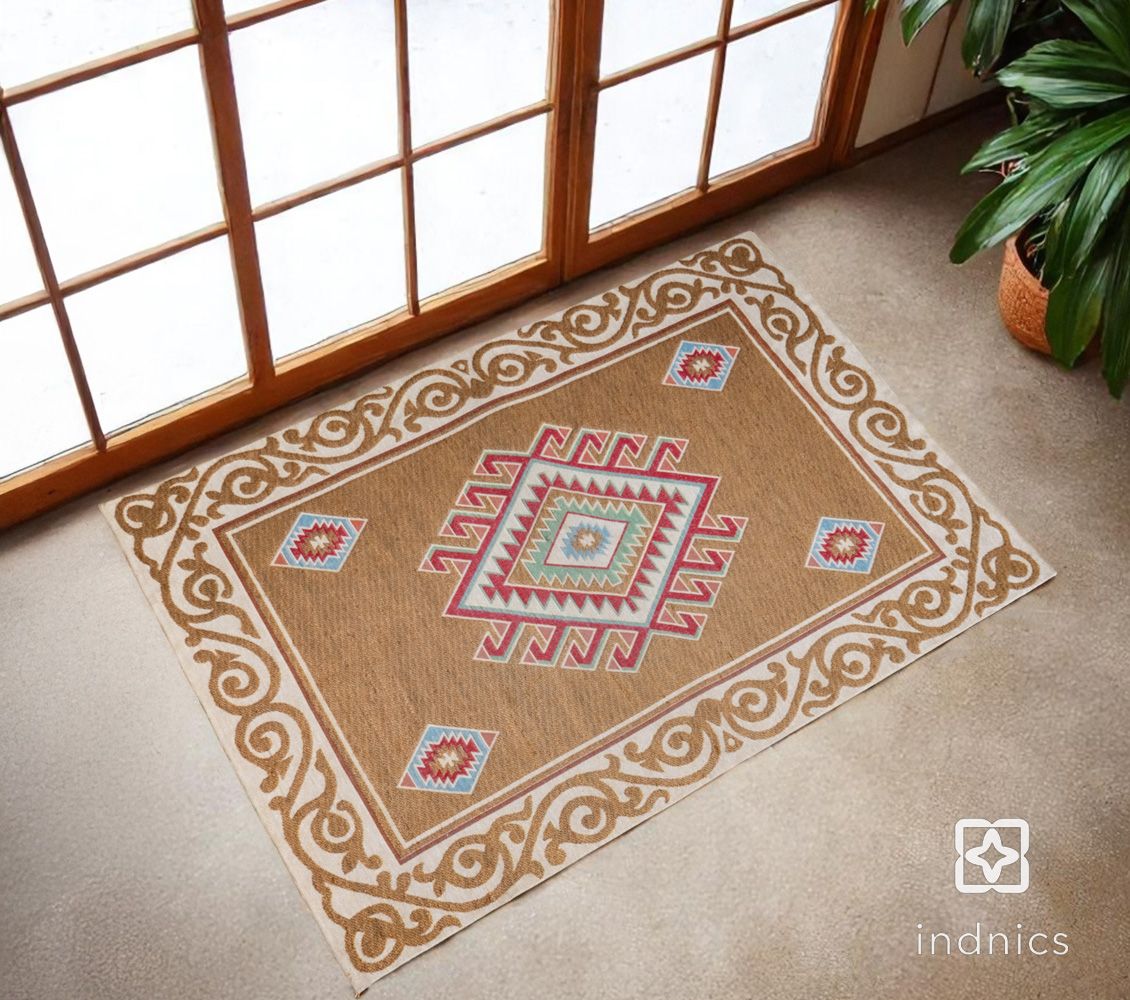

Why Global Buyers Prefer Indian Kilim Rugs: Powerloom & Jacquard Trends 2025
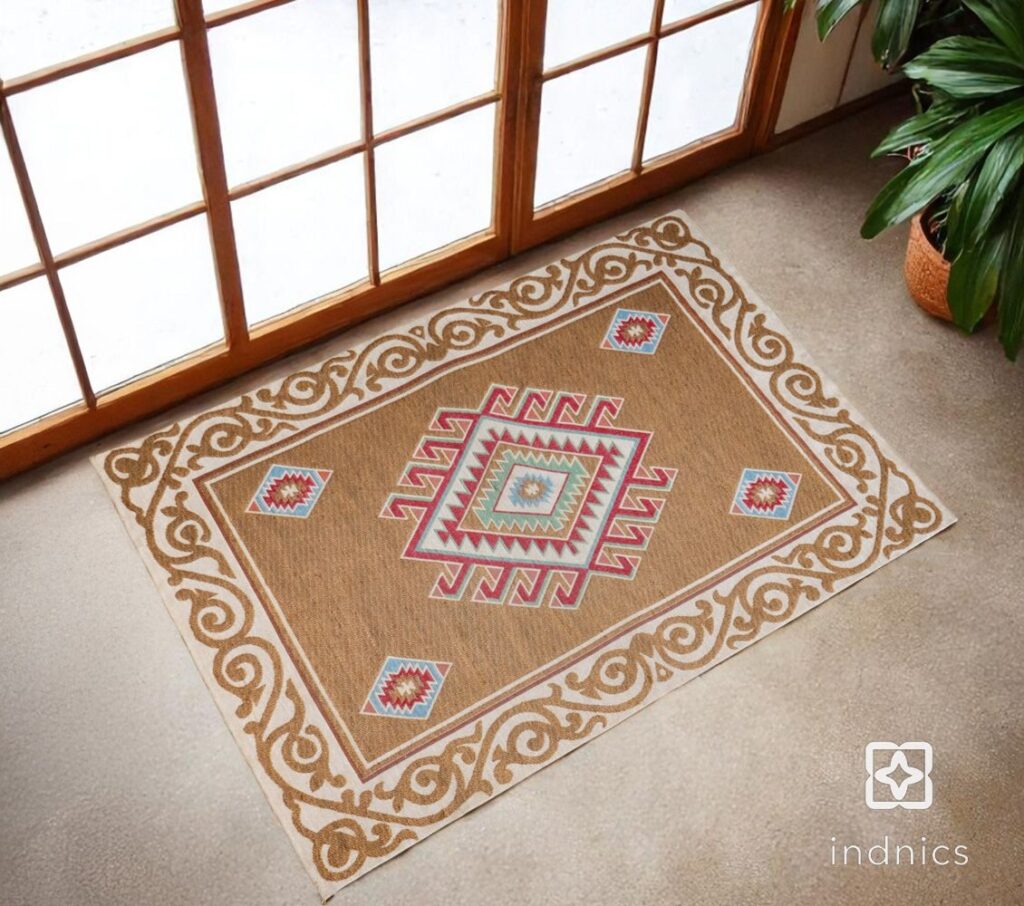
The global demand for kilim rugs has seen remarkable growth with Indian manufacturers leading the charge through innovative powerloom technology and jacquard weaving techniques that perfectly blend traditional artistry with modern efficiency. As we approach 2025, global buyers increasingly prefer Indian kilim rugs not only for their exceptional quality and competitive pricing but also for their versatility in complementing contemporary interior design trends across international markets.
Key Takeaways
- The global carpets market is projected to reach $153.39 billion by 2034, with Indian kilim rugs exported to over 90 countries
- Advanced jacquard kilim rugs wholesale production allows for intricate, customizable designs that appeal to international buyers
- Despite a 26% U.S. tariff, Indian manufacturers remain competitive through efficient powerloom technology and market diversification
- Eco-friendly production methods align with global trends toward sustainable home décor in 2025
- Bulk kilim rug suppliers from India offer customization options that help buyers meet specific market demands
The Rising Dominance of Indian Kilim Rugs in the Global Market
The global carpets and rugs market has reached an impressive $94.91 billion valuation in 2025. With projections indicating growth to $153.39 billion by 2034 at a CAGR of 6.9%, this sector presents substantial opportunities for buyers and suppliers alike. The Asia Pacific region stands out with an expected growth rate of 9.5% CAGR between 2025-2030, driven by rapid urbanization, increased construction activities, and higher disposable incomes.
Indian kilim rugs have captured international attention, now being exported to over 90 countries worldwide. This global reach demonstrates their universal appeal and adaptability to various interior styles. For retailers and wholesalers looking into importing kilim rugs from India, this widespread acceptance signals a product with proven market potential across diverse consumer bases.
The versatility of these rugs makes them suitable for numerous interior styles, from minimalist modern to rustic or bohemian interiors. Their geometric patterns and vibrant color options allow merchandisers to offer products that complement virtually any design aesthetic, making them reliable inventory additions for home décor retailers.
The Perfect Blend: Traditional Craftsmanship Meets Modern Technology
What sets Indian kilim rugs apart in the global marketplace is the unique fusion of centuries-old weaving traditions with cutting-edge manufacturing technology. This combination delivers products that honor cultural heritage while meeting modern production standards and design preferences.
The implementation of advanced Jacquard loom technology has revolutionized kilim rug production. These sophisticated looms enable manufacturers to create intricate, precisely detailed patterns that would be difficult to achieve through traditional hand-weaving alone. For wholesale buyers, this means access to trending kilim rug designs with consistent quality and exacting standards.
Powerloom technology has similarly transformed production capabilities. As a powerloom rugs exporter, India offers significant advantages in terms of production speed and consistency. This technology allows for:
- Higher production volumes to meet large wholesale orders
- Consistent quality across entire shipments
- Reduced production times for faster market response
- More competitive pricing due to efficient manufacturing
Rural artisans continue to play a vital role in this production ecosystem. Their design input ensures that even machine-made rugs maintain authentic cultural elements. This collaboration between traditional craftspeople and modern manufacturing creates Indian decorative rugs for B2B buyers that offer the best of both worlds: cultural authenticity and production efficiency.
Navigating Trade Challenges: Maintaining Competitive Edge
The rug export industry faces notable challenges, including a 26% U.S. tariff on Indian imports implemented in April 2025. This policy change is projected to reduce Indian carpet exports by $5.76 billion. However, experienced manufacturers have adapted through several strategic approaches.
Market diversification has been key to maintaining export volumes. By expanding beyond the U.S. market to Europe, the Middle East, Australia, and emerging Asian markets, Indian exporters have mitigated the impact of specific tariff policies. For global buyers, this means Indian suppliers bring valuable market knowledge and distribution experience across multiple regions.
Cost-efficient production methods, particularly powerloom technology, help maintain competitive pricing despite tariff pressures. This efficiency doesn’t come at the expense of quality—modern powerlooms produce rugs with excellent durability and precise patterns. For bulk kilim rug suppliers, this balance of quality and affordability makes Indian manufacturers particularly attractive partners.
Value-added services further enhance the appeal of Indian suppliers. These often include:
- Custom design services to match specific market trends
- Private labeling options for retail branding
- Flexible minimum order quantities
- Comprehensive quality control processes
- Efficient shipping and logistics management
Aligning with Global Interior Design Trends 2025
The appeal of jacquard kilim rugs wholesale from India connects directly to current global interior design trends. Bold colors and geometric patterns, hallmarks of kilim rugs, feature prominently in 2025’s design aesthetic. This alignment makes these rugs particularly marketable for retailers and interior designers seeking on-trend products.
Sustainability has moved from niche concern to mainstream requirement in home décor. Many Indian manufacturers have adapted by implementing eco-friendly production methods and using sustainable materials. This focus on environmental responsibility appeals to increasingly conscious consumers and helps retailers meet growing demands for ethical products.
Smart technology integration in production ensures consistent quality while enabling innovation in design and manufacturing. Advanced looms can create intricate patterns with new textures and materials like chenille, expanding the range of options available to buyers.
Customization capabilities give buyers significant flexibility to meet specific market needs. Indian manufacturers can adjust:
- Color schemes to match regional preferences
- Sizes to suit different living spaces
- Patterns to align with local design trends
- Materials to meet different price points and quality requirements
This ability to tailor products to specific market segments gives B2B buyers a competitive advantage in their respective markets. By partnering with adaptable Indian suppliers, buyers can quickly respond to changing consumer preferences and emerging design trends.
Sources:
Global Carpets And Rugs Market Size, Trends, Share 2025-2034
Carpet & Rug Market Size And Share | Industry Report, 2030
Top Interior Design Trends 2025: What’s In & What’s Out – Jaipur Rugs
Enquire about your collection or project
Tell us which products you need, your preferred sizes, quantities and destination. You can also share your collection or project requirements.
Make it part of your
next collection.
Share the designs you like, approximate quantities and destination. Let’s discuss samples, pricing and custom options.
