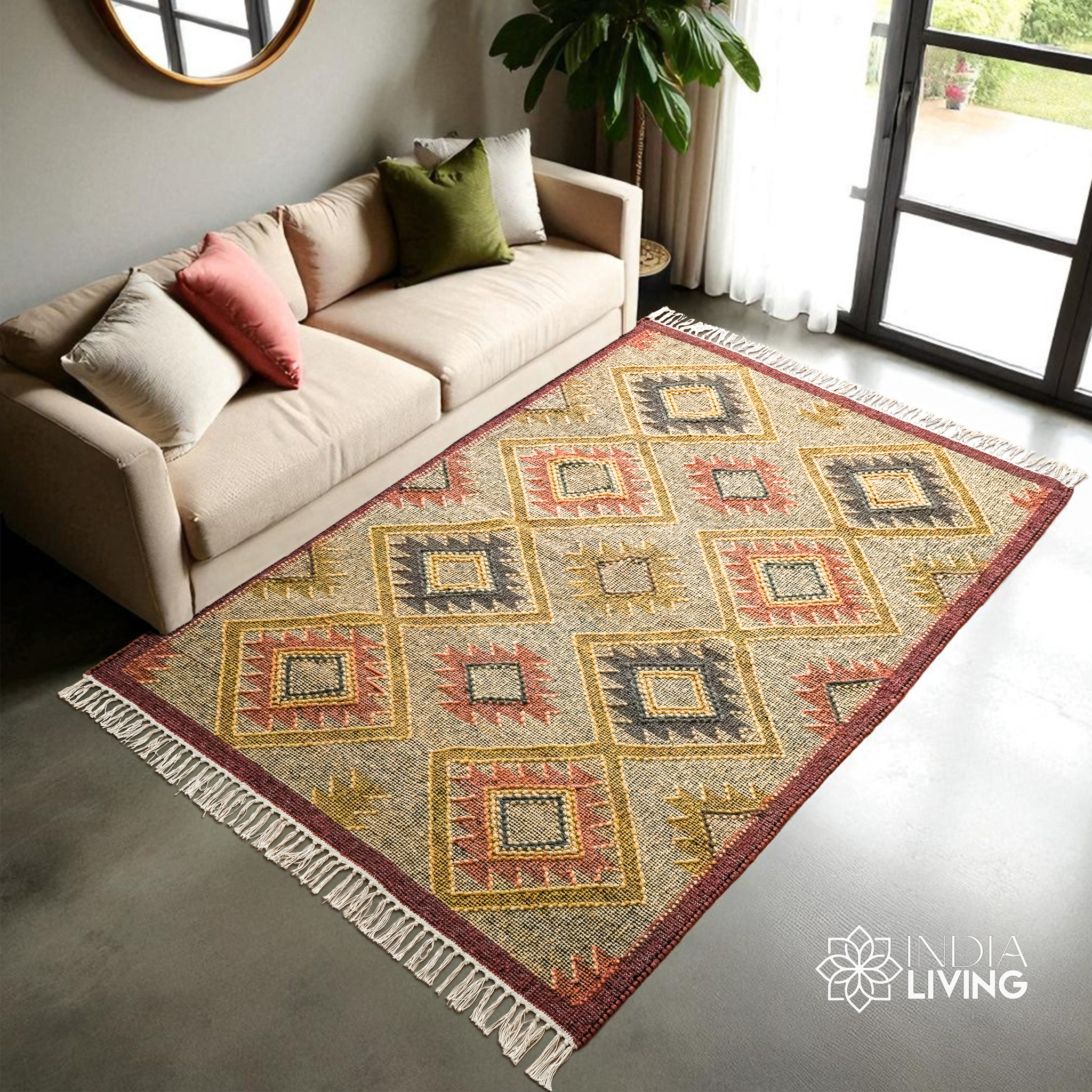

2026 Interior Trends: Why Jute Kilim Rugs Are a Must-Have for B2B Buyers
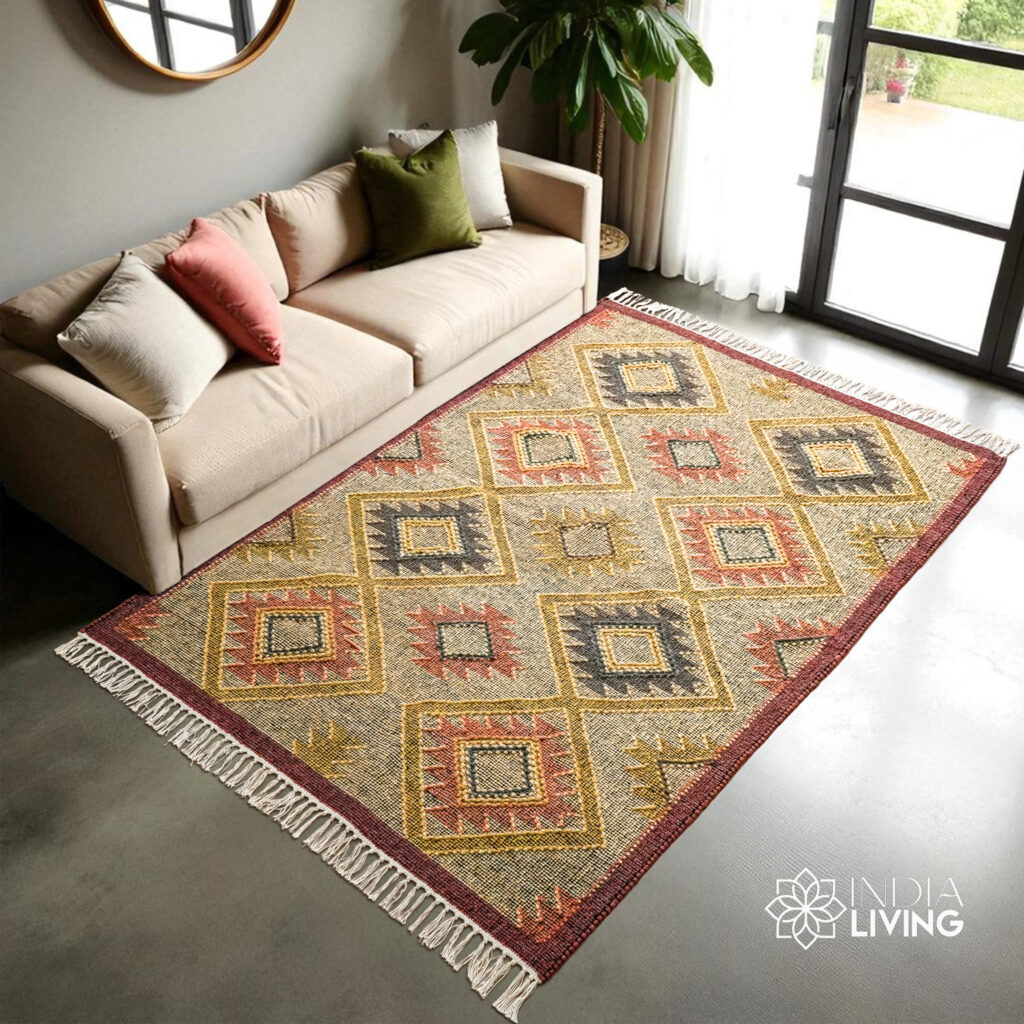
Natural materials are taking center stage in 2026 interior design, and jute kilim rugs are leading the movement. For wholesalers, retailers, and interior designers, understanding why these eco-friendly textiles are becoming essential can help you stay ahead of market demand and meet client expectations for sustainable, stylish spaces.
Key Takeaways
- Biophilic design is driving demand for natural fiber rugs in residential and commercial spaces
- Jute kilim rugs offer sustainability credentials that meet growing ESG requirements from hospitality and corporate buyers
- Textural layering trends make jute’s natural weave patterns highly desirable for 2026 interiors
- B2B buyers benefit from jute’s cost-effectiveness and durability in high-traffic commercial applications
- Indian manufacturers like Sheeltex offer customization options that help designers create unique spaces
Trend 1: Biophilic Design Brings Nature Indoors
The biophilic design movement continues to grow stronger in 2026, with architects and designers incorporating natural elements into every project. This approach connects people with nature through materials, textures, and organic forms. Jute kilim rugs fit perfectly into this trend because they are made from plant fibers and bring an authentic, earthy quality to any space.
Hotels, offices, and retail spaces are all embracing this nature-inspired aesthetic. For B2B buyers, this means clients are actively seeking natural fiber products rather than synthetic alternatives. Jute rugs meet this demand while offering the durability needed for commercial environments.
Interior designers report that clients specifically request materials that feel connected to nature. The natural variations in jute fibers create visual interest that cannot be replicated with manufactured materials, making each rug unique.
Trend 2: Textural Layering Creates Depth and Interest
2026 interiors move away from flat, uniform surfaces toward layered textures that add depth and tactile appeal. Jute kilim rugs excel in this trend because their handwoven construction creates natural texture variations that work beautifully with other materials like wood, metal, and soft furnishings.
The kilim weaving technique produces distinctive patterns and a slightly irregular surface that adds character to floors. This textural quality helps define spaces in open-plan layouts, a common feature in modern hospitality and commercial design. For Indian kilim rugs, the traditional craftsmanship adds cultural authenticity that resonates with design-conscious buyers.
Retailers stocking jute kilim rugs can educate customers on how to pair these pieces with smooth surfaces and plush fabrics. This creates opportunities for cross-selling complementary products and increases average transaction values.
Trend 3: Sustainable Sourcing Meets ESG Requirements
Environmental, Social, and Governance standards are no longer optional for many corporate and hospitality buyers. Sustainable sourcing has become a key purchasing criterion, and jute rugs offer clear advantages. Jute is a renewable resource that grows quickly without pesticides, requires minimal water, and biodegrades naturally at the end of its life.
For B2B buyers working with hotels, restaurants, and corporate offices, supply chain transparency matters. Indian manufacturers can provide documentation about fiber sourcing, production methods, and fair labor practices. These credentials help your clients meet their own sustainability commitments and appeal to environmentally conscious consumers.
The carbon footprint of jute production is significantly lower than synthetic carpet alternatives. This makes jute kilim rugs an easy choice for projects pursuing green building certifications or sustainability goals. When you source from reliable suppliers, you can offer clients the documentation they need for their reporting requirements.
Why Jute Kilim Rugs Check All the Boxes for 2026
Jute kilim rugs combine multiple trending elements in one product. They are natural, textured, and sustainable while remaining practical for commercial use. The material’s inherent strength makes it suitable for high-traffic areas in hotels, offices, and retail spaces where durability is essential.
Cost-effectiveness is another major advantage for B2B buyers. Jute offers a premium look without premium pricing, allowing designers to allocate budgets to other project elements. The natural aesthetic works across multiple design styles from minimalist Scandinavian to warm contemporary, giving wholesalers and retailers broad market appeal.
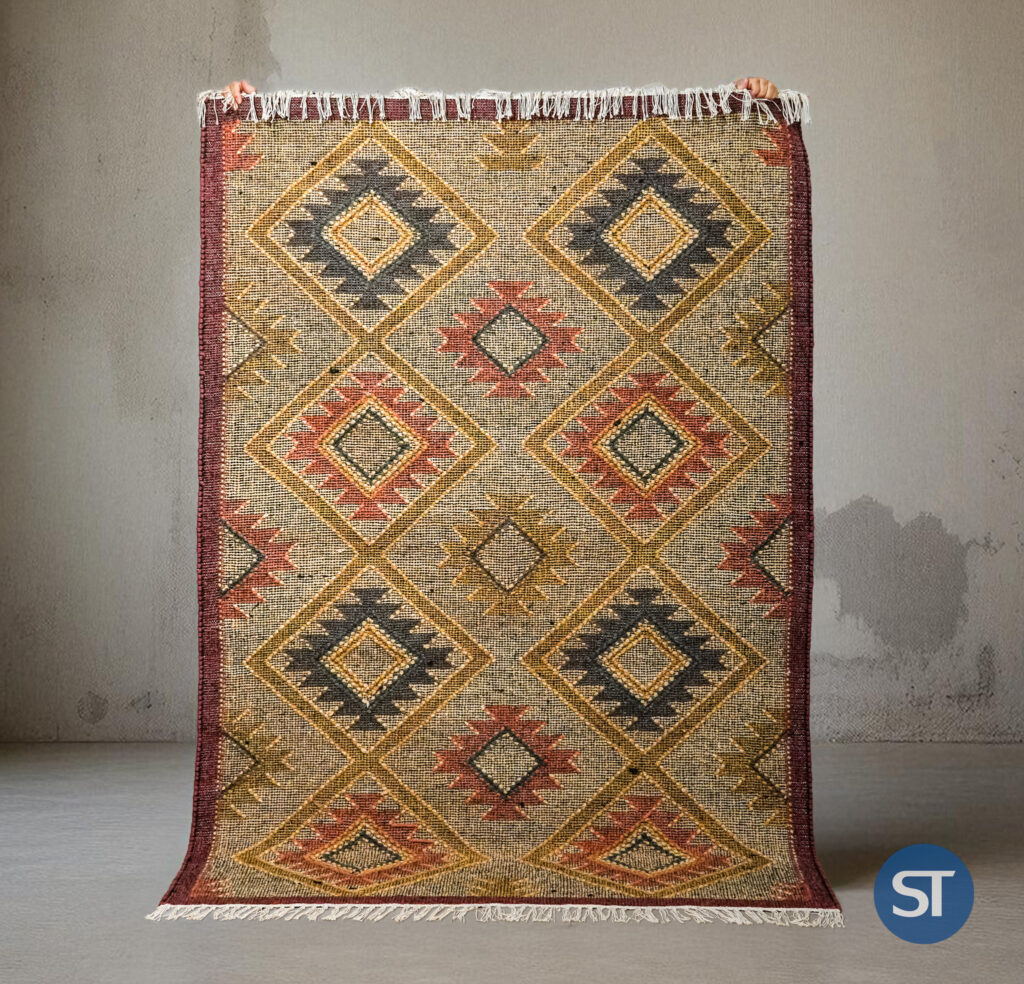
The handwoven nature of kilim construction means patterns and colors can be customized for specific projects. This flexibility is valuable for interior designers working on branded spaces or unique hospitality environments. Whether clients want neutral tones or bold geometric patterns, trending kilim rugs can be adapted to meet their vision.
Commercial Applications That Drive B2B Demand
Understanding where jute kilim rugs perform best helps B2B buyers target the right customers. Hospitality projects including boutique hotels, resorts, and restaurants appreciate jute’s natural warmth and easy maintenance. The material resists staining better than many assume, and regular vacuuming keeps it looking fresh.
Corporate offices use jute rugs to create welcoming reception areas and meeting spaces that feel less formal than traditional commercial flooring. The natural texture reduces noise levels in open-plan offices while adding visual warmth. For office furniture retailers and commercial interior suppliers, jute rugs complement modern workspace furniture beautifully.
Retail stores increasingly use jute kilim rugs in fitting rooms, lounge areas, and display zones. The natural aesthetic enhances product presentation and creates an inviting shopping environment. Store designers appreciate that jute rugs can be easily replaced or rotated to refresh spaces without major renovations.
How Sheeltex India Meets 2026 B2B Buyer Needs
Working with an experienced Indian manufacturer provides advantages that matter for your business. Sheeltex India offers quality control processes that ensure consistent standards across bulk orders. This reliability is crucial when you are supplying multiple locations for a hotel chain or retail brand.
Customization capabilities allow you to differentiate your offerings. Whether clients need specific dimensions, color combinations, or pattern variations, experienced manufacturers can accommodate these requests with reasonable minimum order quantities. This flexibility helps interior designers create signature looks for their projects.
Understanding lead times and logistics is essential for B2B transactions. Reputable suppliers provide clear timelines and can arrange shipping that meets your project schedules. For those exploring jute handwoven runners, working with manufacturers who understand export requirements simplifies the purchasing process.
Quality Indicators B2B Buyers Should Check
Not all jute rugs are created equal. When evaluating suppliers, look for consistent weave density that indicates skilled craftsmanship. The edges should be cleanly finished, and patterns should align properly across the rug surface. These details matter when your reputation depends on delivering quality to your clients.
Ask about the jute fiber grade used in production. Higher grade fibers produce softer, more lustrous rugs with better longevity. While lower grades cost less, they may not meet the quality expectations of your design-conscious customers or perform well in commercial applications.
Request information about finishing treatments. Some jute rugs receive backing or treatments that enhance durability and reduce shedding. Understanding these specifications helps you match products to appropriate applications and set accurate expectations with buyers.
Merchandising Tips for Retailers and Showrooms
How you present jute kilim rugs influences customer perception and sales. Create lifestyle displays that show the rugs in context with furniture and accessories. This helps buyers visualize how the pieces will work in their spaces and demonstrates the textural layering trend discussed earlier.
Provide tactile samples that customers can touch and examine. The natural feel of jute is a selling point that cannot be appreciated through online images alone. For B2B showrooms, having multiple size options and pattern variations on display demonstrates your range and helps clients make confident decisions.
Educate your sales team about the sustainability story behind jute rugs. Being able to explain the environmental benefits, production process, and care requirements builds confidence and positions you as a knowledgeable partner rather than just a product supplier.
Pricing and Value Proposition
Jute kilim rugs offer attractive margins for wholesalers and retailers. The cost-to-perceived-value ratio is favorable because customers recognize the natural materials and handcrafted quality. This allows for healthy markup while remaining competitive with synthetic alternatives.
For interior designers purchasing for commercial projects, jute rugs provide budget flexibility. The savings compared to wool or silk can be reallocated to other design elements while still delivering a premium aesthetic. This value proposition makes it easier to win project bids and satisfy budget-conscious clients.
Bulk ordering from Indian manufacturers reduces per-unit costs significantly. Establishing relationships with reliable suppliers gives you pricing advantages that improve your competitive position in the market.
Conclusion: Position Your Business for 2026 Success
The convergence of biophilic design, textural trends, and sustainability requirements makes jute kilim rugs a strategic product category for 2026. B2B buyers who understand these market drivers can position themselves as forward-thinking suppliers who help clients meet both aesthetic and environmental goals.
Whether you are a wholesaler building your product range, a retailer refreshing your showroom, or an interior designer seeking reliable sources for client projects, jute kilim rugs offer versatility and appeal across multiple market segments. The key is working with manufacturers who understand B2B requirements and can deliver consistent quality at scale.
Ready to add trending jute kilim rugs to your inventory? Contact Sheeltex India to discuss minimum order quantities, customization options, and sampling programs tailored for B2B buyers. Our team can provide specifications, pricing, and lead times to help you make informed sourcing decisions for 2026 and beyond.
Enquire about your collection or project
Tell us which products you need, your preferred sizes, quantities and destination. You can also share your collection or project requirements.
Make it part of your
next collection.
Share the designs you like, approximate quantities and destination. Let’s discuss samples, pricing and custom options.
