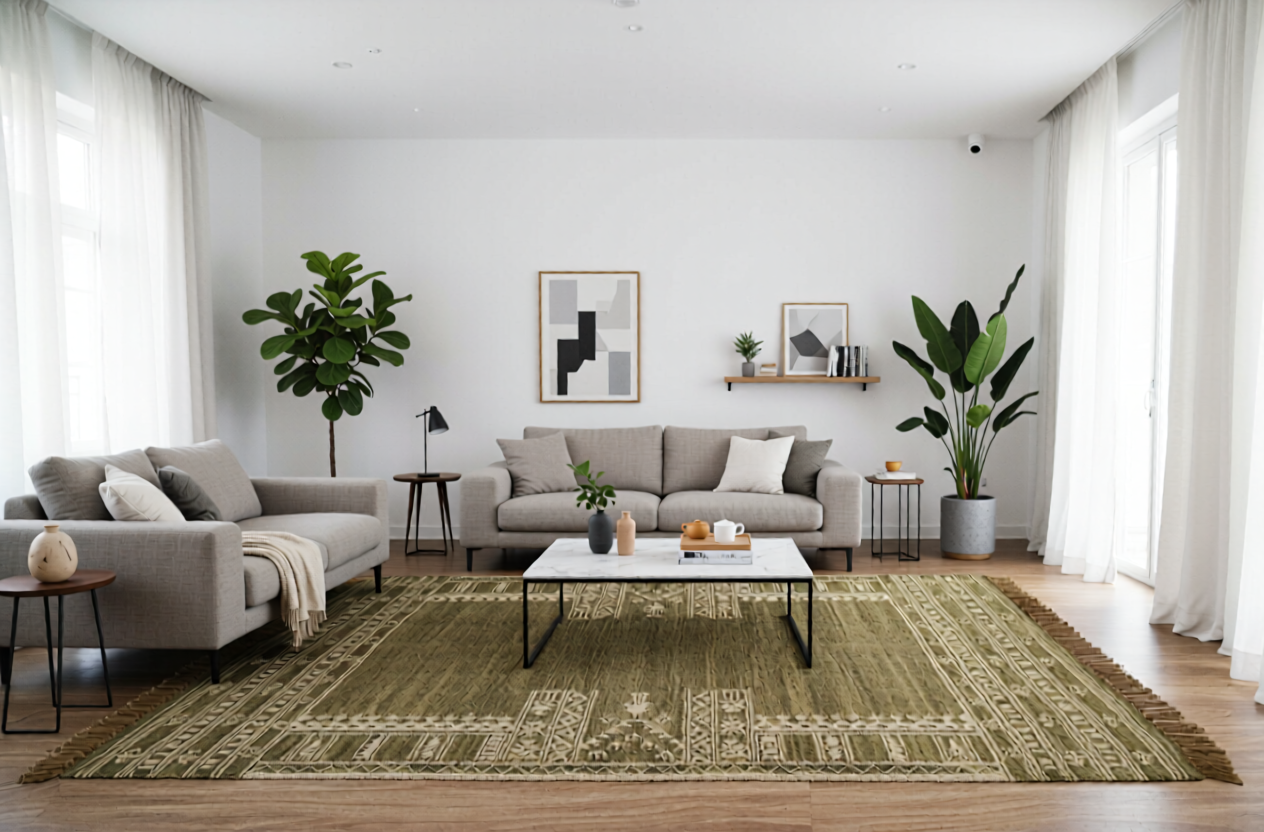

Top Kilim Rugs Design Trends for 2026: What Global Buyers Should Know
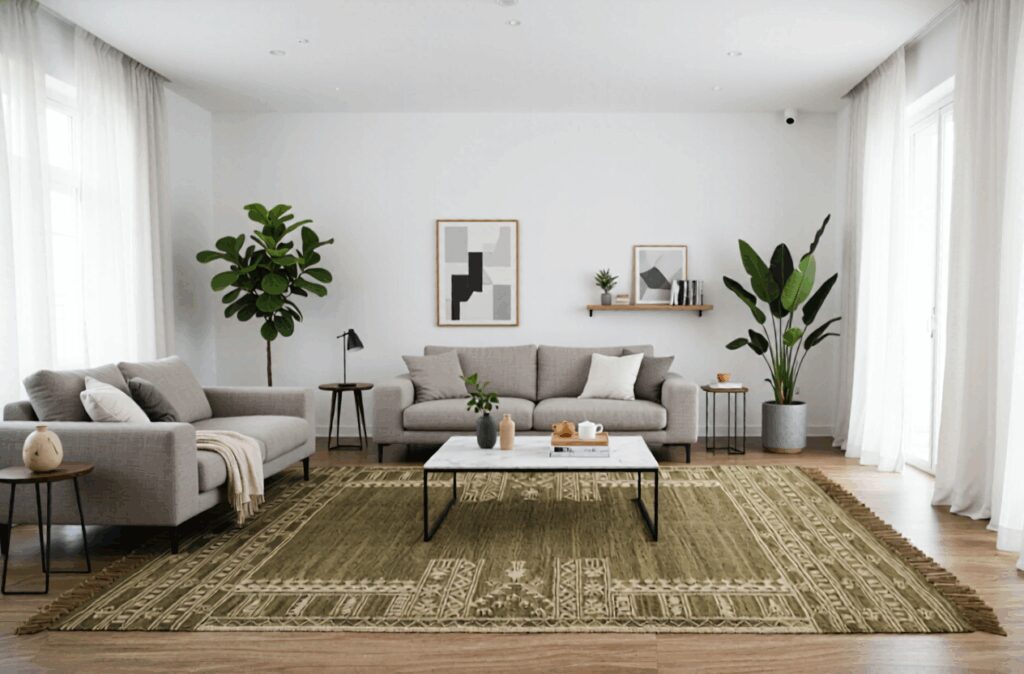
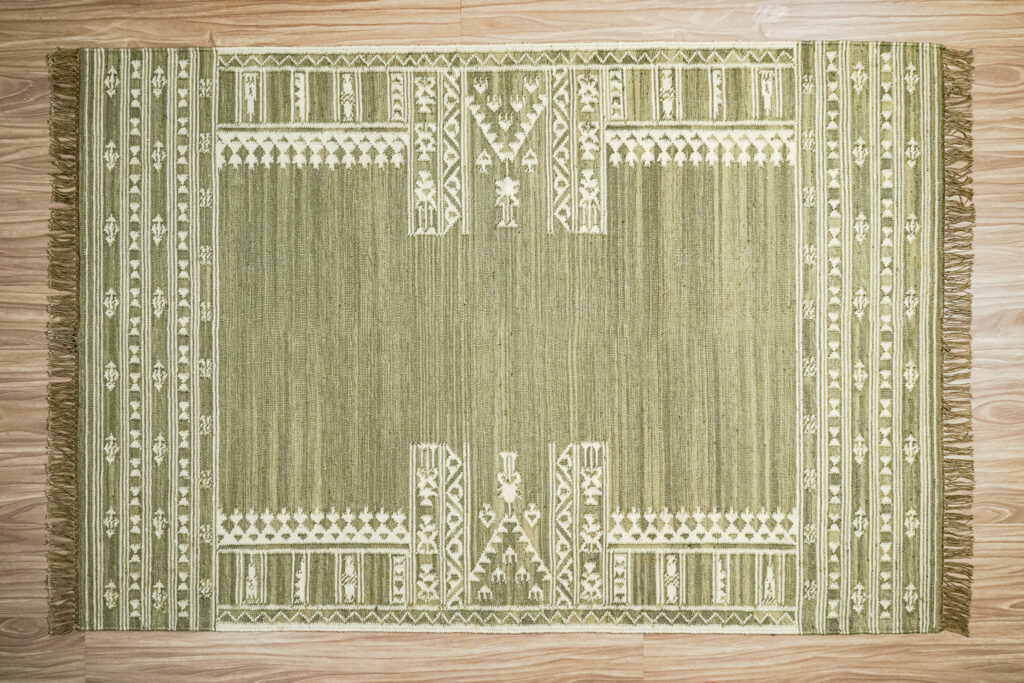
As we move into 2026, Kilim rug design trends are shifting toward warmer palettes, sustainable materials, and modern geometric patterns that appeal to both residential and commercial buyers. Understanding these trends early helps wholesalers, retailers, and interior designers make smarter sourcing decisions and stay competitive in the global market. This guide breaks down the key trends shaping Kilim rug demand in 2026 and what they mean for your buying strategy.
Key Takeaways
- Earthy color palettes like terracotta, rust, and clay are replacing bright traditional colors in modern Kilim designs.
- Geometric minimalism with clean, large-scale patterns is trending for contemporary and Scandinavian-style interiors.
- Sustainability matters more than ever—buyers want natural wool, eco-friendly dyes, and transparent sourcing.
- Vintage-inspired styles and the “New Nomad” aesthetic continue to drive demand in boutique hotels and curated retail spaces.
- Custom sizing and modular formats are essential for commercial projects and open-plan interiors.
Trend 1: Earthy, Warm Color Palettes Replace Bold Brights
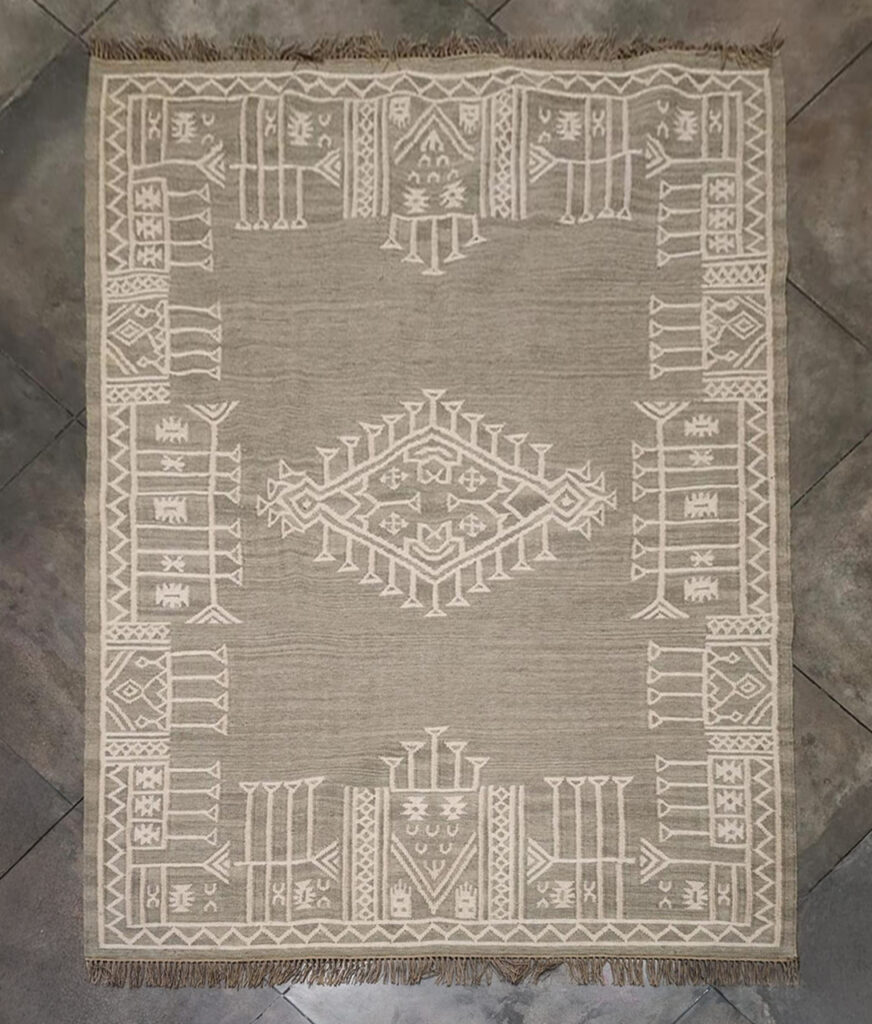
The shift from bold traditional colors to softer, warmer tones is one of the biggest changes in Kilim rug design for 2026. Buyers are now looking for shades like terracotta, burnt orange, rust, clay, sand, and muted greens. These colors fit perfectly into wellness-focused interiors, hospitality spaces, and modern residential designs.
Warm neutrals create a calming atmosphere and work well with biophilic design trends that bring natural elements indoors. For wholesalers and retailers, stocking Kilim rugs in these earthy tones means appealing to a broader customer base, especially interior designers working on contemporary and minimalist projects.
Accent colors like deep plum, ochre, and dusty rose are also gaining traction as complementary shades. These can be used in smaller rugs or layered designs to add visual interest without overwhelming a space.
Trend 2: Geometric Minimalism and Modern Abstracts
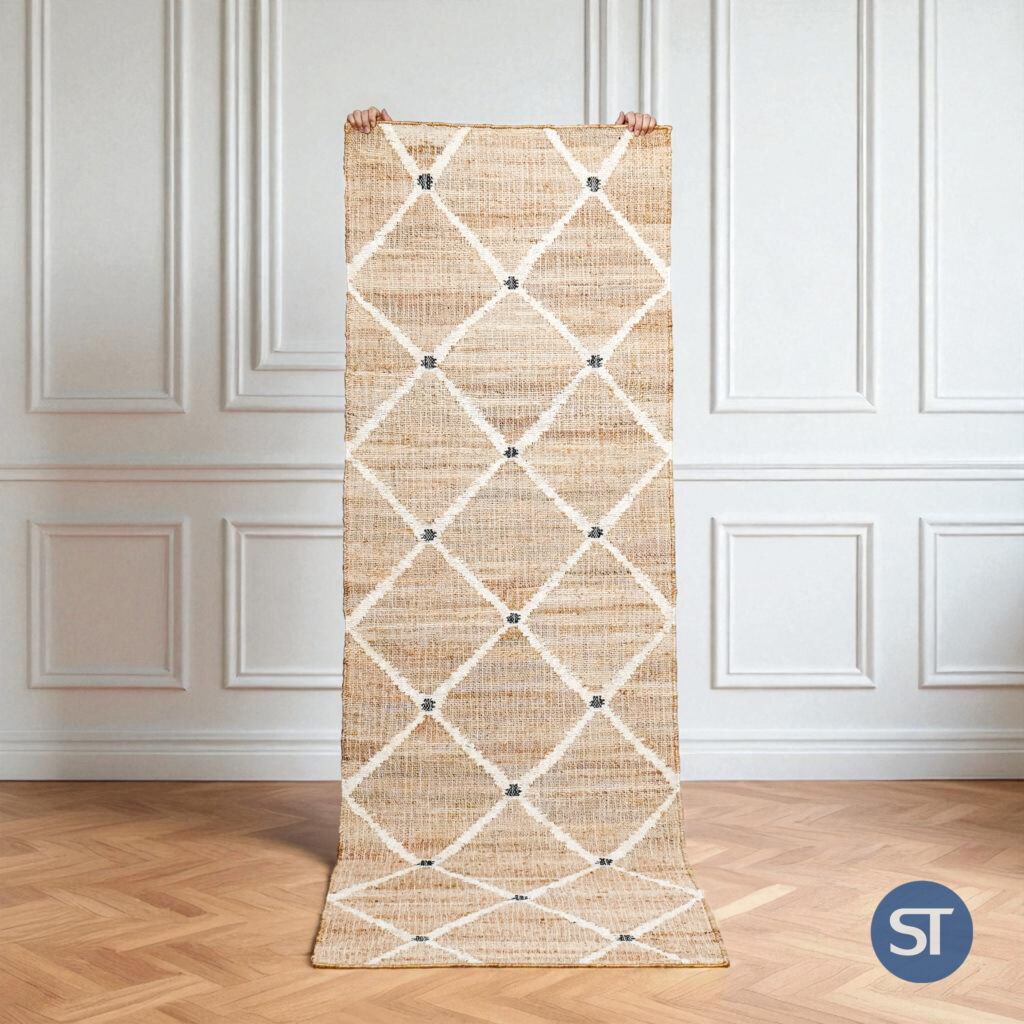
Kilim rugs have always been known for their bold geometric patterns, but 2026 trends favor simpler, larger-scale motifs over intricate tribal designs. Buyers want clean lines, asymmetry, and modern abstraction that align with Scandinavian and mid-century modern aesthetics.
This trend works naturally with Kilim construction. The flat-weave technique creates sharp, graphic patterns that look fresh and contemporary when designed with restraint. Think oversized diamonds, elongated chevrons, or abstract color blocks rather than dense, detailed traditional motifs.
For B2B buyers, this means prioritizing designs that feel timeless and versatile. Rugs with geometric minimalism fit into multiple design schemes, making them easier to sell across different customer segments. Indian Kilim rugs are particularly well-suited to this trend due to their artisan craftsmanship and design flexibility.
Trend 3: Sustainability as a Non-Negotiable
Sustainability is no longer optional—it is a core requirement for many global buyers in 2026. Retailers, interior designers, and hospitality buyers are asking detailed questions about materials, dyes, and production practices before placing orders.
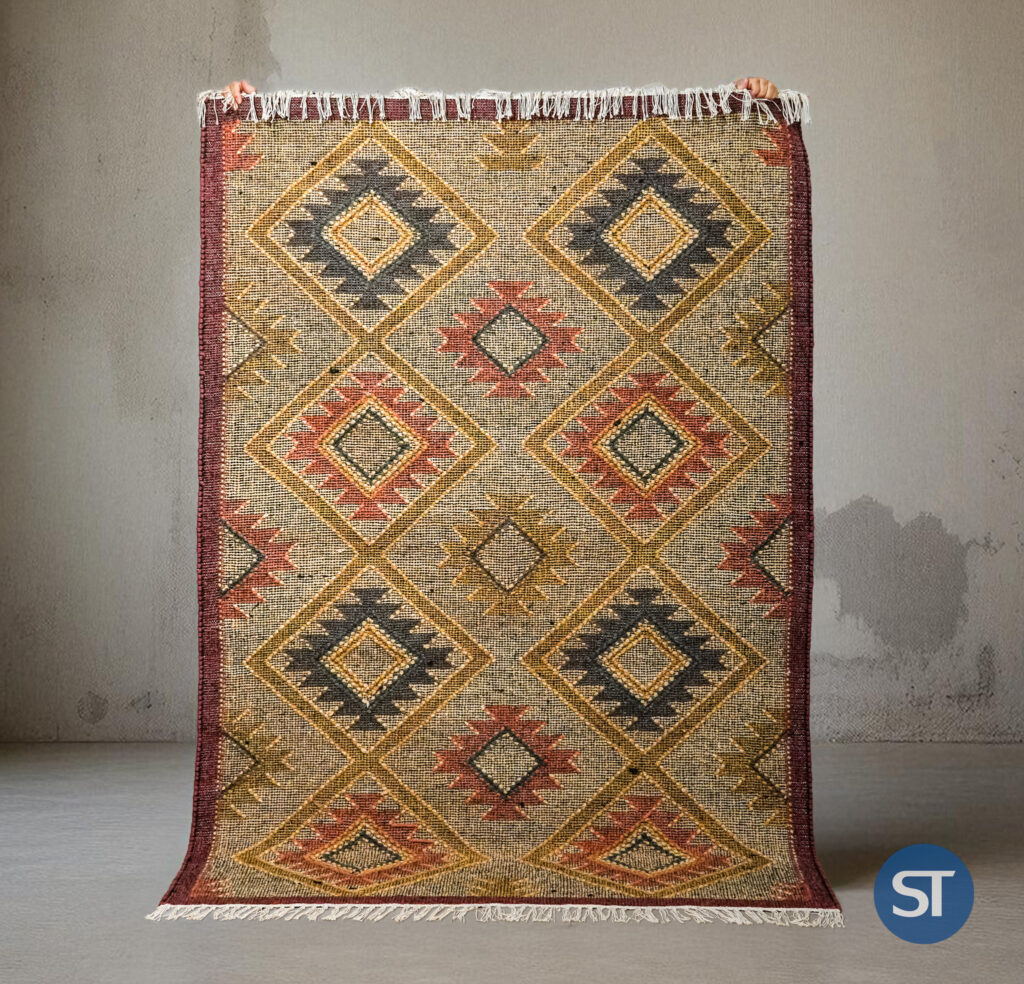
Natural wool, cotton, and jute are the most requested materials for Kilim rugs. Buyers prefer undyed or naturally dyed fibers that reduce environmental impact. They also value transparency in sourcing and want to know that rugs are made using ethical labor practices and traditional artisan methods.
Kilim rugs have a natural advantage here. They are traditionally handwoven using biodegradable materials, and many producers are now highlighting low-impact dye processes and renewable resources. For wholesalers, emphasizing these sustainability credentials can be a key differentiator in a competitive market. If you are sourcing for eco-conscious projects, consider exploring jute Kilim rugs as a natural and sustainable option.
Trend 4: Vintage-Inspired and Nomadic Styles
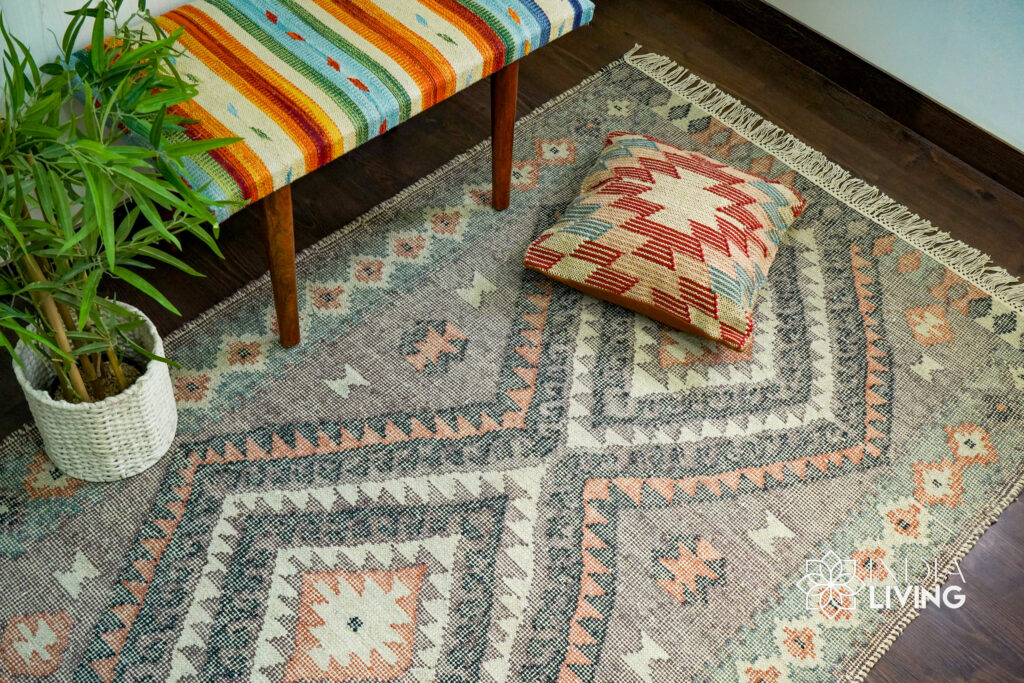
The “New Nomad” aesthetic continues to influence interior design in 2026, but with a more curated and refined approach. Buyers want rugs that look collected, artisan-made, and globally inspired—without feeling cluttered or overly busy.
Vintage-inspired Kilims with faded colors, stonewashed finishes, or worn textures are especially popular in boutique hotels, cafes, and residential spaces. These rugs add character and warmth while maintaining a sophisticated, modern feel.
Layering rugs is also trending in hospitality and retail interiors. Designers are combining Kilim runners with larger area rugs or using multiple smaller Kilims to define different zones within an open-plan space. This trend creates visual interest and flexibility in styling.
For wholesalers, offering vintage-style Kilims alongside contemporary designs gives buyers more options and appeals to the growing demand for eclectic, globally inspired interiors.
Trend 5: Custom Sizing and Modular Formats for Commercial Projects
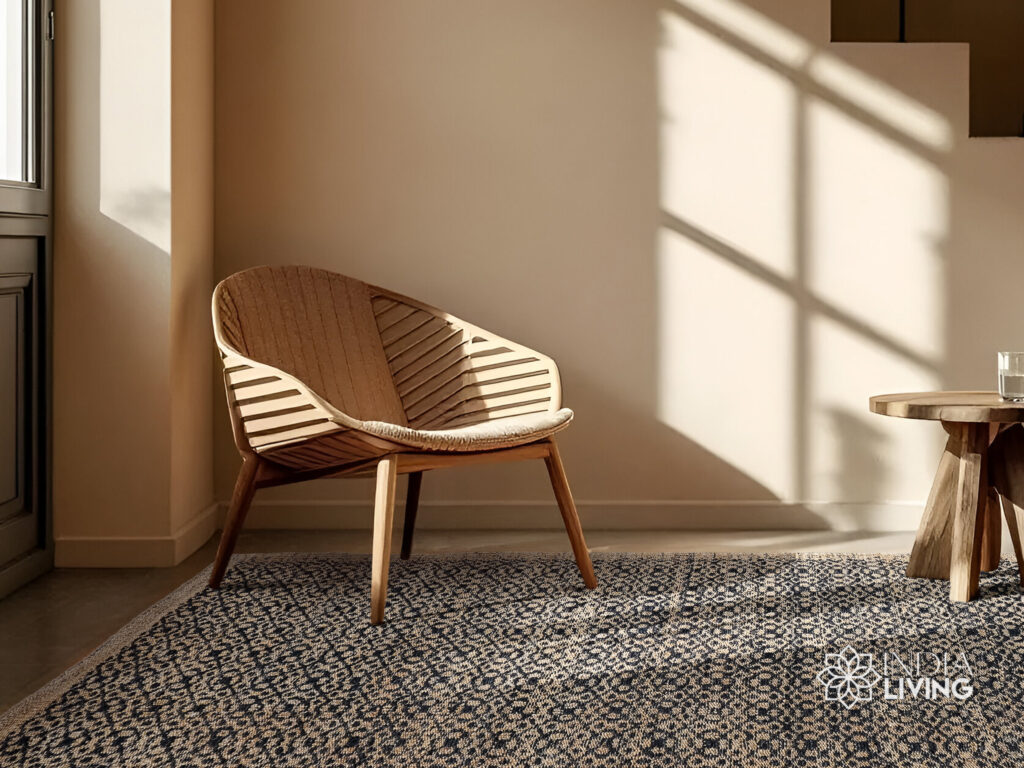
Commercial buyers—especially those in hospitality, corporate, and restaurant sectors—need rugs in non-standard sizes. Standard retail dimensions do not always work for hotel lobbies, open workspaces, or long dining areas.
Kilim rugs are highly customizable, which makes them ideal for contract projects. Buyers can request oversized area rugs, long runners, or coordinating sets that fit specific layouts. This flexibility is a major selling point for manufacturers who can accommodate custom orders and flexible MOQs.
Modular formats are also gaining popularity. Designers want the option to use multiple smaller Kilims that can be rearranged or replaced over time, rather than committing to a single large piece. This approach is practical for high-traffic areas and allows for easier maintenance.
If you are sourcing for commercial interiors, it is worth checking with suppliers about their lead times, sample availability, and customization capabilities early in the planning process. For more insight on sourcing strategies, read about top trending Kilim rugs from India.
Trend 6: Texture-First, Pattern-Second Designs

While bold patterns remain popular, some buyers are moving toward subtle, texture-focused designs with low-contrast color schemes. This trend is particularly strong in corporate, minimalist hospitality, and wellness spaces where the goal is to create calm, understated environments.
Tone-on-tone Kilims—where the pattern is visible through texture rather than color—are gaining traction. These rugs provide visual interest without dominating a room, making them versatile and easy to integrate into neutral or monochromatic interiors.
For wholesalers, this means offering a range that includes both bold graphic Kilims and quieter textured options. Different buyer segments have different needs, and having a diverse catalog helps capture more market share.
What This Means for Your Sourcing Strategy
Staying ahead of design trends gives you a competitive edge, whether you are a retailer, designer, or importer. Here are a few practical tips for applying these 2026 trends to your sourcing decisions:
- Order samples early: Trends move fast, and sampling helps you test quality and market demand before committing to bulk orders.
- Prioritize neutral and warm palettes: These colors have broader appeal and work across multiple design styles.
- Ask about customization: Custom sizing, color matching, and design tweaks can set your product offering apart.
- Emphasize sustainability: Buyers want proof of eco-friendly practices—make sure your supplier can provide it.
- Plan lead times carefully: Handwoven Kilim rugs take time to produce, so factor in manufacturing and shipping schedules.
Working with a trend-responsive manufacturer like Sheeltex India ensures you have access to the latest designs, flexible production options, and reliable export support.
Frequently Asked Questions
What are Kilim rugs?
Kilim rugs are flat-woven textiles traditionally made using wool, cotton, or jute. Unlike pile rugs, they do not have a raised surface, which makes them lightweight, reversible, and versatile for various interior applications.
Why are Kilim rugs trending in 2026?
Kilim rugs align with key 2026 design trends: sustainability, artisan craftsmanship, geometric patterns, and warm earthy colors. They are also highly customizable, which appeals to commercial buyers and interior designers working on unique projects.
Can Kilim rugs be customized?
Yes. Many manufacturers offer custom sizing, color palettes, and pattern adjustments for Kilim rugs, especially for bulk or commercial orders. Customization is a major advantage for hospitality and contract projects.
What sizes are most popular for commercial buyers?
Commercial buyers often request oversized area rugs, long runners, and modular sets that fit open-plan layouts, hotel lobbies, or dining areas. Standard residential sizes may not meet the needs of contract projects.
Are Kilim rugs durable for high-traffic areas?
Yes. Kilim rugs made from high-quality wool or wool blends are durable and suitable for high-traffic spaces. Their flat-weave construction makes them easy to clean and maintain, which is important for commercial environments.
Conclusion
The Kilim rug trends for 2026 reflect a global shift toward sustainability, simplicity, and warmth. Earthy color palettes, geometric minimalism, vintage-inspired styles, and custom sizing are shaping what buyers want—and what manufacturers need to offer. Staying informed about these trends helps you make smarter sourcing decisions and meet the evolving demands of your customers.
At Sheeltex India, we specialize in wholesale Kilim rugs that align with global design trends. Whether you need custom sizing, sustainable materials, or trend-inspire
Enquire about your collection or project
Tell us which products you need, your preferred sizes, quantities and destination. You can also share your collection or project requirements.
Make it part of your
next collection.
Share the designs you like, approximate quantities and destination. Let’s discuss samples, pricing and custom options.
