
Top 6 Reasons Buyers Are Stocking Jute & Recycled Cotton Rugs in 2026
The global home decor market is growing fast, expected to reach $753 billion by 2028. At the same time, buyers across the world are shifting toward eco-friendly, handmade products that tell a story. Jute and recycled cotton rugs are becoming top choices for wholesalers, retailers, interior designers, and hotel buyers who want to meet sustainability goals without compromising on style or budget.
In this article, we share the six most important reasons why jute and recycled cotton rugs are trending in 2026—and what B2B buyers should know when sourcing these products from India.
Key Takeaways
- Consumer demand for eco-friendly home decor is rising globally, with 61% willing to switch to sustainable brands.
- Jute and recycled cotton rugs offer a lower carbon footprint than synthetic alternatives and appeal to conscious shoppers.
- India is a leading exporter of handmade, certified sustainable rugs with fast turnaround and competitive pricing.
- Buyers benefit from color flexibility, certifications, and scalability when working with experienced suppliers.
- These rugs meet both retail and B2B needs—from boutique hotels to large online platforms.
1. Strong Consumer Demand for Sustainable Home Decor
Shoppers today care about where products come from and how they are made. According to recent surveys, 61% of consumers are willing to switch brands if a company offers more sustainable options. Millennials are even paying up to 16% more for eco-friendly products.
This shift is driving wholesalers and retailers to stock jute and recycled cotton rugs that meet these values. Rugs made from natural and upcycled fibers give buyers a clear story to tell their customers—one that connects authenticity, craftsmanship, and care for the planet.
Search trends show increasing interest in terms like “eco-friendly rugs,” “jute rugs,” and “sustainable home textiles.” Buyers who add these products to their inventory are better positioned to serve a growing conscious consumer base.
2. Lower Environmental Impact Compared to Synthetic Materials
Jute is a biodegradable natural fiber that produces approximately 30% lower carbon emissions than synthetic materials like polypropylene. It grows quickly, requires little water, and improves soil quality. Jute rugs are also moisture-absorbent and provide natural insulation, making them practical for different climates.
Recycled cotton rugs are made from post-industrial or post-consumer waste, which means no new virgin cotton is used. This reduces water consumption, energy use, and textile waste. For hotels, offices, and retail spaces focused on corporate social responsibility, recycled cotton rugs offer a simple way to meet green building or sustainability targets.
Together, jute and recycled cotton create hybrid rugs that combine durability, softness, and eco-appeal at a competitive price point.
3. Wide Range of Colors and Designs for Every Market
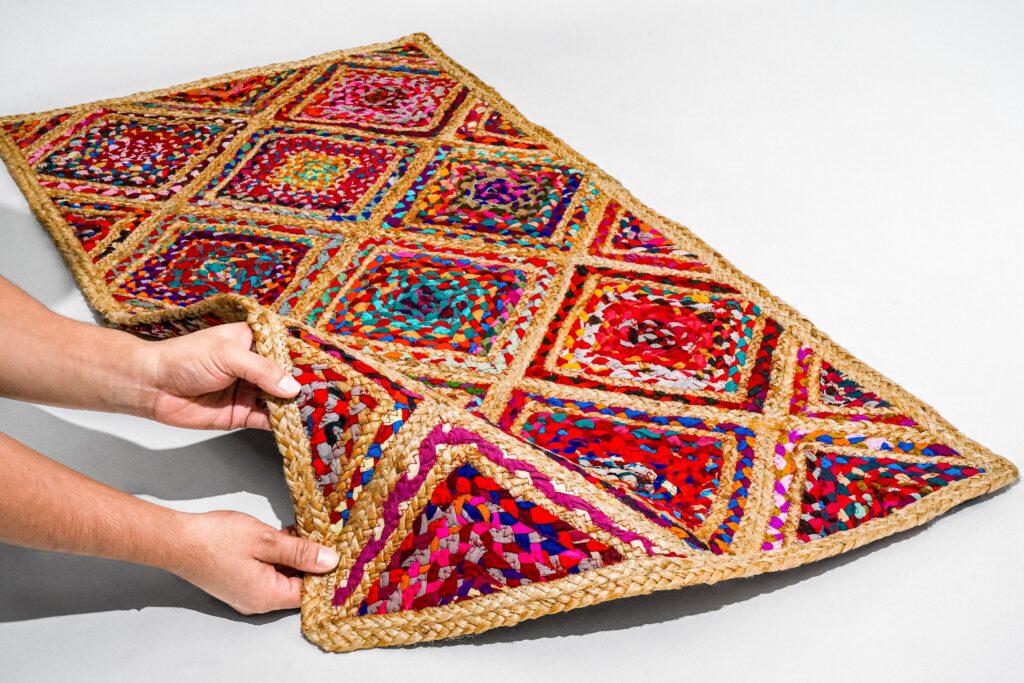
One common misconception is that eco-friendly rugs only come in beige or natural tones. In reality, modern jute and recycled cotton rugs are available in over 35 colorways, including multicolour designs, earth tones, pastels, and bold accent shades.
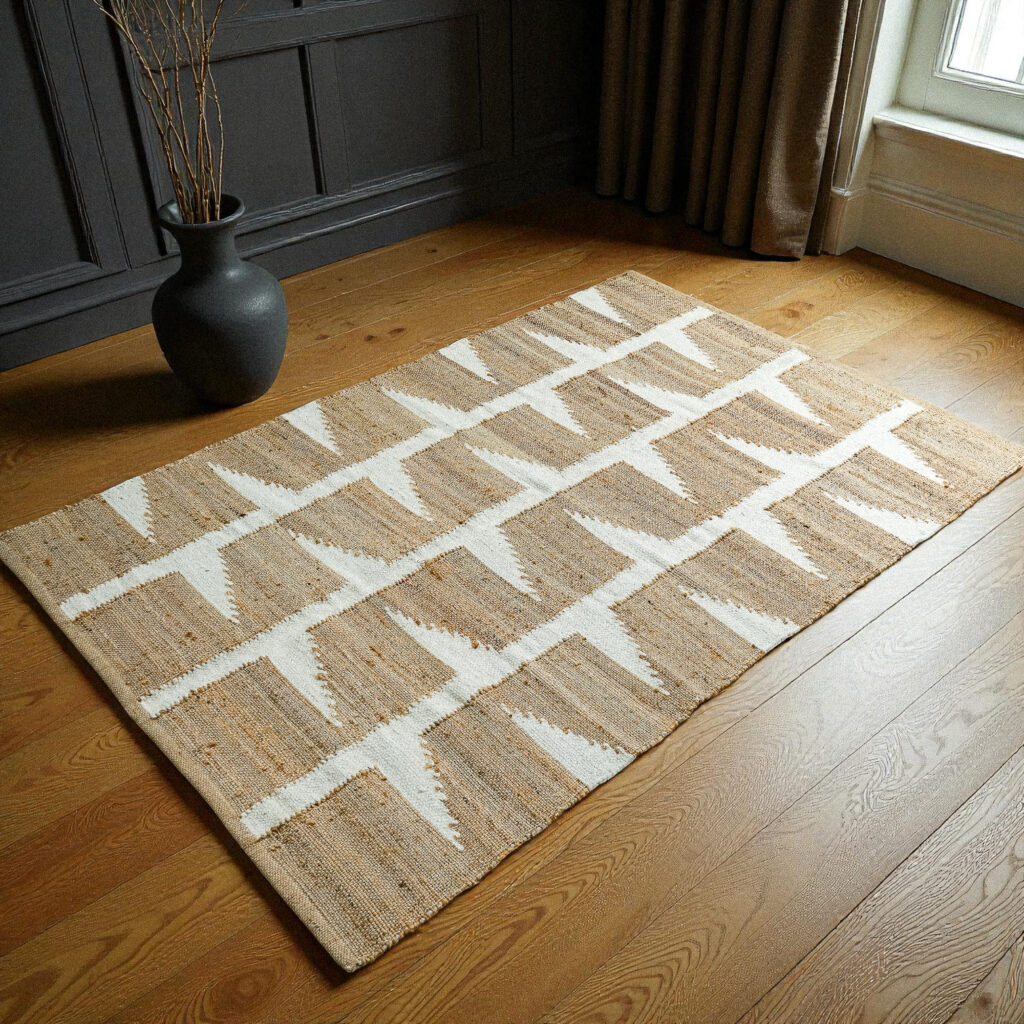
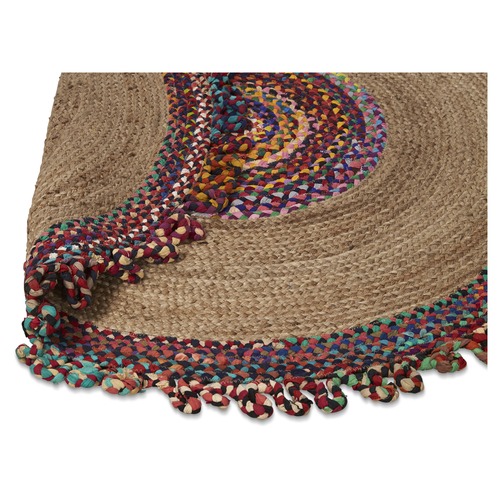
This flexibility allows interior designers and retailers to offer rugs that suit different styles—from Scandinavian minimalism to bohemian or coastal interiors. Multicolour jute rugs are especially popular for adding texture and warmth to neutral spaces.
Buyers can also request custom colorways or patterns to match seasonal trends or branded collections. Whether you’re stocking a boutique hotel or an online home decor platform, color variety helps you meet diverse customer preferences without switching suppliers. Learn more about jute kilim rug trends for 2026.
4. Certified, Export-Ready Products That Build Trust
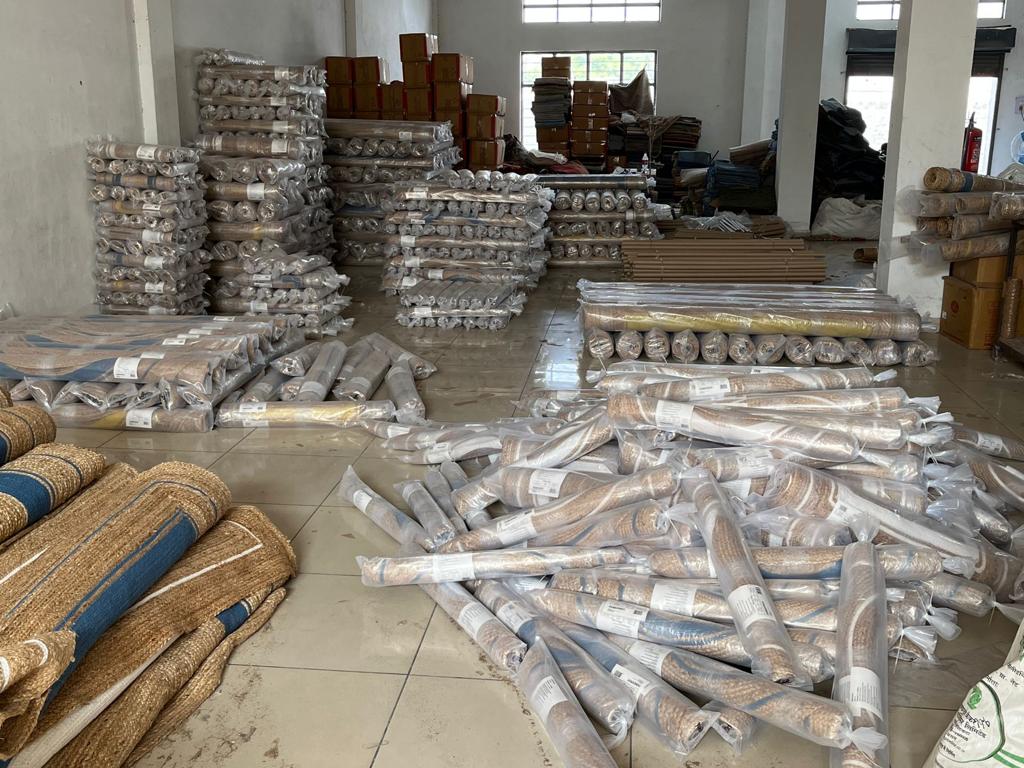
Global buyers—especially those supplying to Europe, North America, or Australia—need suppliers who meet international sustainability standards. Certifications like GRS (Global Recycled Standard), GOTS (Global Organic Textile Standard), and SEDEX are increasingly required by retail chains, hotels, and design firms.
Indian manufacturers like Sheeltex India offer certified jute and recycled cotton rugs that are export-ready and compliant with these standards. This saves B2B buyers time on due diligence and reduces risk when entering new markets or meeting client sustainability criteria.
Having certifications also strengthens your brand story. Retailers can confidently communicate product credentials to end customers, while wholesalers can meet the procurement requirements of larger corporate or hospitality clients.
5. Fast Turnaround and Scalable Production
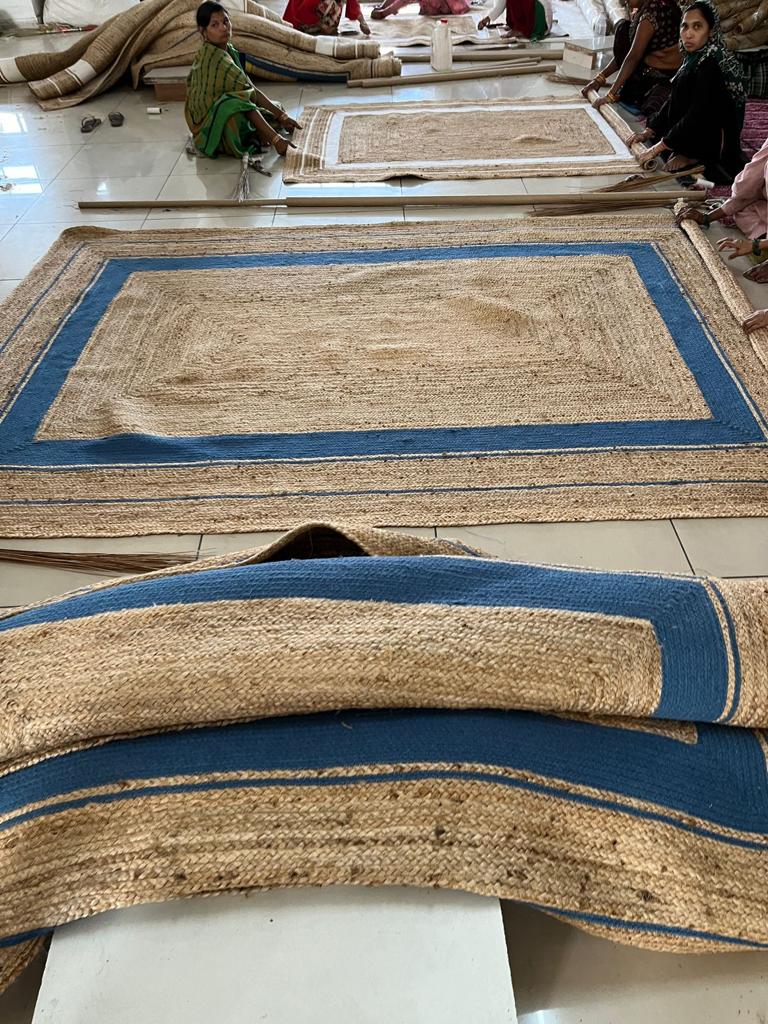
One of the biggest challenges in B2B sourcing is lead time. Buyers need reliable suppliers who can deliver quality products on schedule, especially during peak seasons or when launching new collections.
India’s home textile industry is known for its vertically integrated manufacturing—from spinning yarn to weaving, dyeing, and finishing. This structure allows experienced exporters to offer faster turnaround times, often as quick as 5 days for sample orders and scalable production for bulk orders.
Whether you need 500 rugs for a boutique chain or 10,000 for a large retail platform, working with a supplier who can scale production without compromising quality is a major advantage. Explore economical recycled cotton rugs available for import.
6. India’s Competitive Edge as a Sourcing Hub
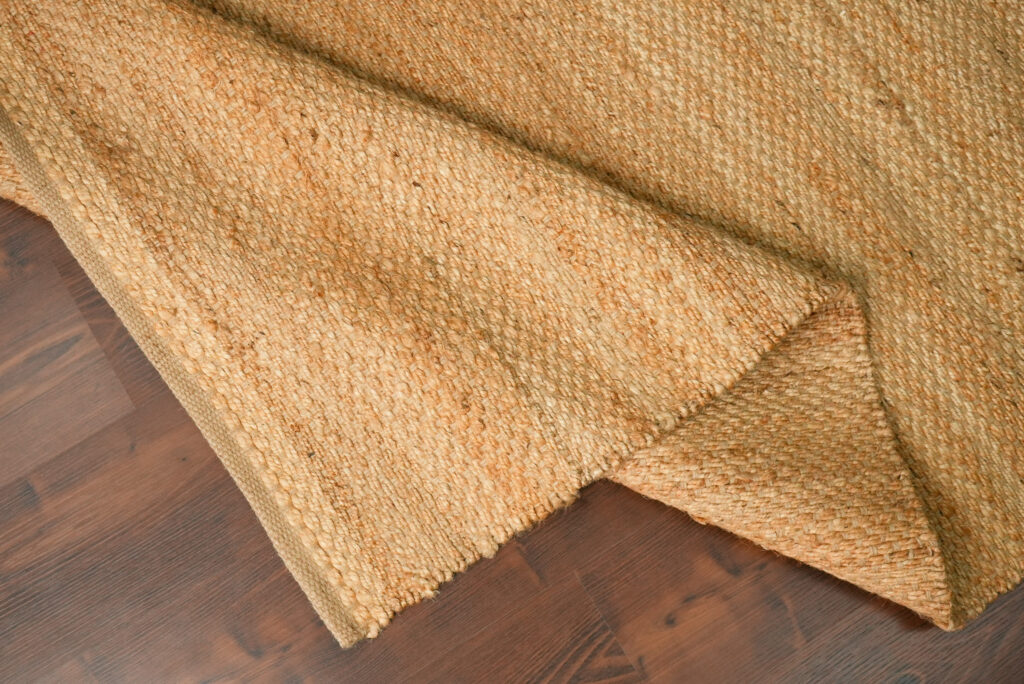
India is the second-fastest growing home decor market and ranks second globally in search interest for home textiles. The country has a long tradition of handwoven textiles and is now a leading exporter of sustainable rugs, cushion covers, throws, and other home decor products.
Indian suppliers offer competitive pricing, skilled craftsmanship, and export experience to over 40 countries. Many manufacturers work directly with major platforms like Walmart, Amazon, and regional retail chains across Germany, Finland, Ireland, and the Czech Republic.
By sourcing from India, B2B buyers benefit from lower costs, high-quality handmade products, and access to a wide range of natural and recycled materials. The combination of tradition and modern manufacturing makes India a top choice for buyers looking to stock eco-friendly rugs in 2026. See why buyers are also choosing recycled PET yarn rugs from India.
Choosing the Right Supplier for Jute and Recycled Cotton Rugs
Not all suppliers are the same. When sourcing jute and recycled cotton rugs, B2B buyers should look for manufacturers who offer:
- Certifications: GRS, GOTS, SEDEX for compliance and credibility.
- Customization: Color, size, pattern options to suit your brand or market.
- Scalability: Ability to handle both small test orders and large repeat shipments.
- Reliable lead times: Fast sampling and consistent production schedules.
- Export experience: Knowledge of international shipping, documentation, and quality standards.
Sheeltex India, founded in 1987, is a vertically integrated exporter with decades of experience supplying handmade, eco-certified rugs to global buyers. With a 5-day sample turnaround, over 35 colorways, and shipments to 40+ countries, Sheeltex supports wholesalers, retailers, interior designers, and hospitality buyers looking for reliable, sustainable sourcing partners.
Frequently Asked Questions
What is the minimum order quantity for jute and recycled cotton rugs?
MOQ varies by supplier and product type. Many Indian exporters offer flexible MOQs, especially for trial orders. Contact your supplier directly to discuss volume and pricing.
Are jute rugs suitable for high-traffic areas?
Yes. Jute is a durable natural fiber that performs well in living rooms, hallways, and commercial spaces. When blended with recycled cotton, rugs gain added softness and resilience.
Can I customize colors and sizes?
Most experienced manufacturers offer customization options for color, size, and design. Customization may require slightly longer lead times and higher MOQs.
How do I verify sustainability certifications?
Ask your supplier for copies of GRS, GOTS, or SEDEX certificates. These documents include audit details, scope, and expiry dates. Reputable suppliers are transparent about their certifications.
What are the shipping options from India?
Indian exporters typically offer sea freight (most economical for bulk orders) and air freight (for urgent shipments). Lead times depend on destination and shipping method.
Conclusion
Jute and recycled cotton rugs are more than a trend—they represent a shift toward sustainable, story-driven home decor that buyers and consumers both value. With strong market demand, lower environmental impact, design flexibility, trusted certifications, fast production, and India’s competitive sourcing advantage, these rugs are a smart addition to any B2B inventory in 2026.
Whether you’re a wholesaler, retailer, interior designer, or hospitality buyer, now is the time to explore eco-friendly rug options that meet both your business goals and your customers’ values.
Ready to source jute and recycled cotton rugs for your next collection? Contact Sheeltex India today to request samples, discuss MOQs, or explore customization options. With over 35 years of export experience and a commitment to quality and sustainability, Sheeltex is your trusted partner for handmade, certified rugs from India.
“`
Make it part of your
next collection.
Share the designs you like, approximate quantities and destination. Let’s discuss samples, pricing and custom options.
