
Top 5 Reasons Jute and Wool Rugs Will Dominate Interiors in 2026
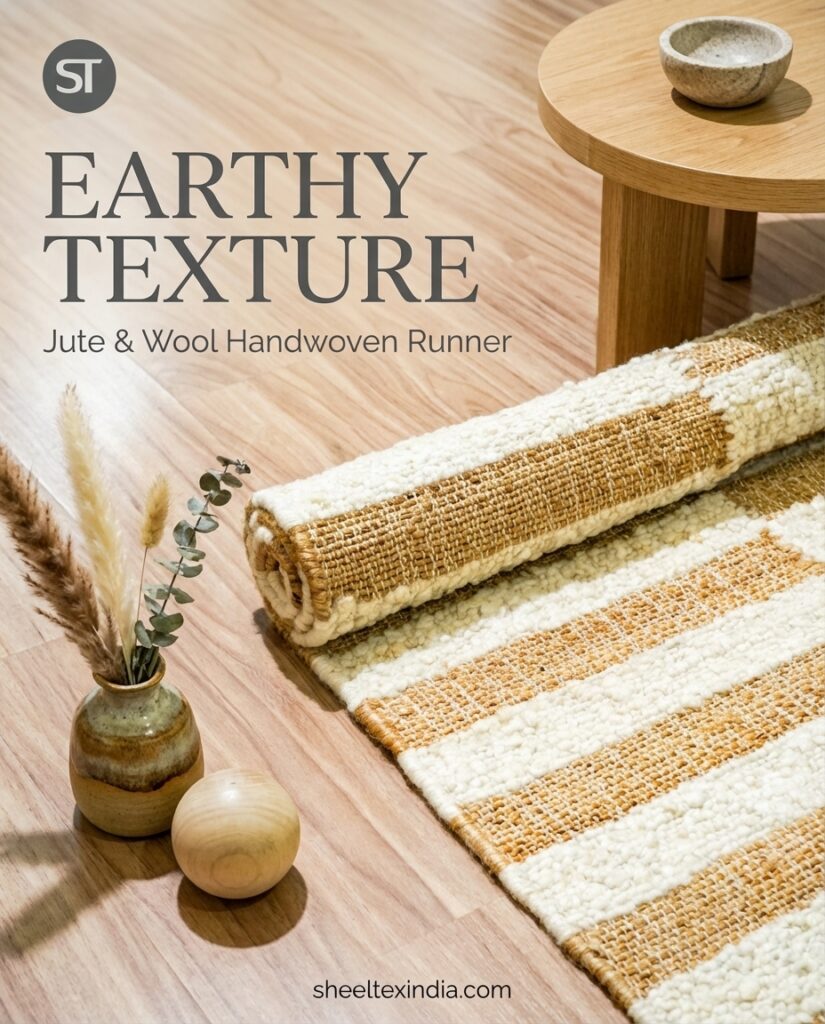
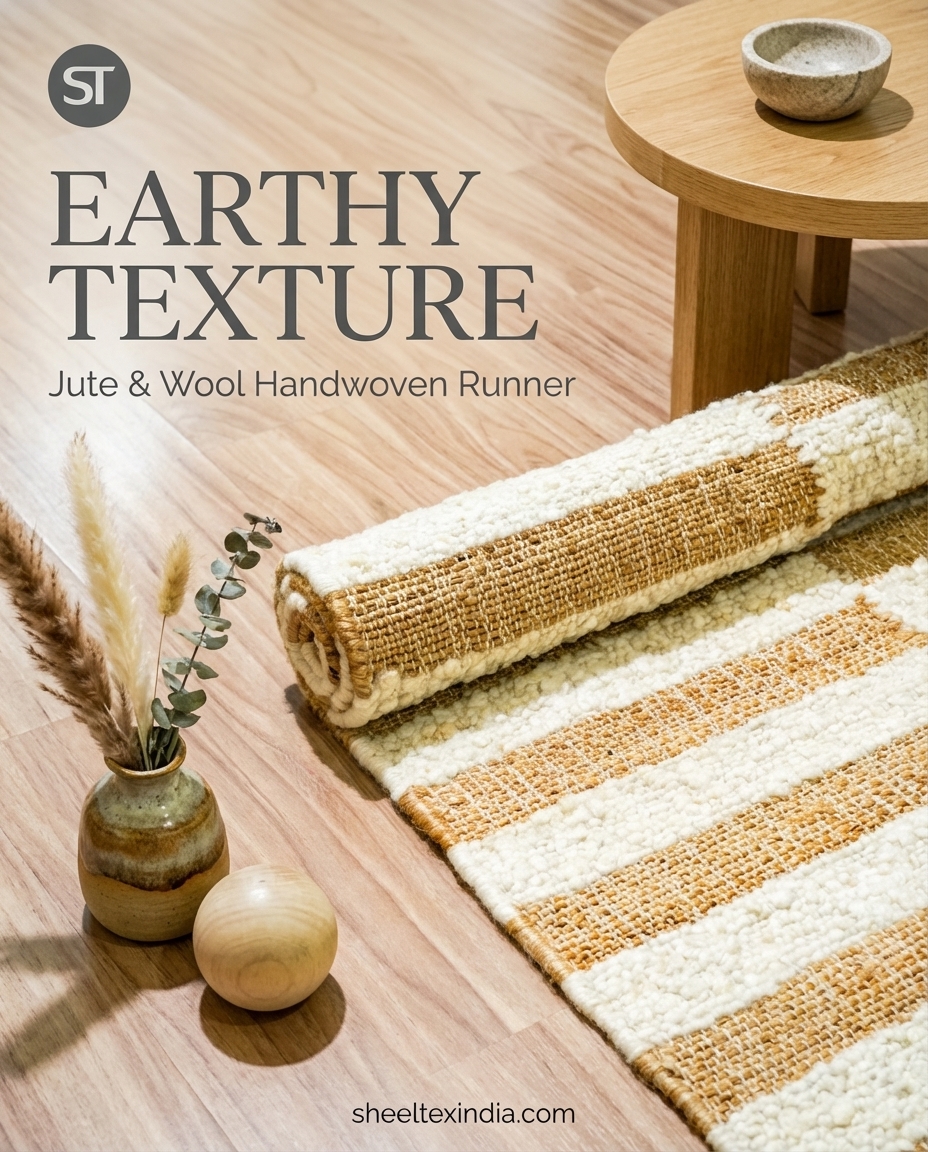
Jute and wool rugs are quickly becoming the top choice for interior designers, hospitality buyers, and retailers around the world. As we move toward 2026, these natural fiber rugs are expected to dominate both residential and commercial spaces. Here’s why every B2B buyer should pay attention to this growing trend.
Key Takeaways
- Sustainable materials like jute and wool align with the growing demand for eco-conscious design.
- These rugs offer natural durability and low maintenance, making them ideal for high-traffic spaces.
- Biophilic design trends favor the earthy tones and organic textures of jute and wool.
- Handwoven and hand-knotted versions appeal to luxury buyers seeking artisan craftsmanship.
- Jute’s affordability and wool’s longevity make them accessible to a wide range of buyers.
1. Sustainability Is No Longer Optional
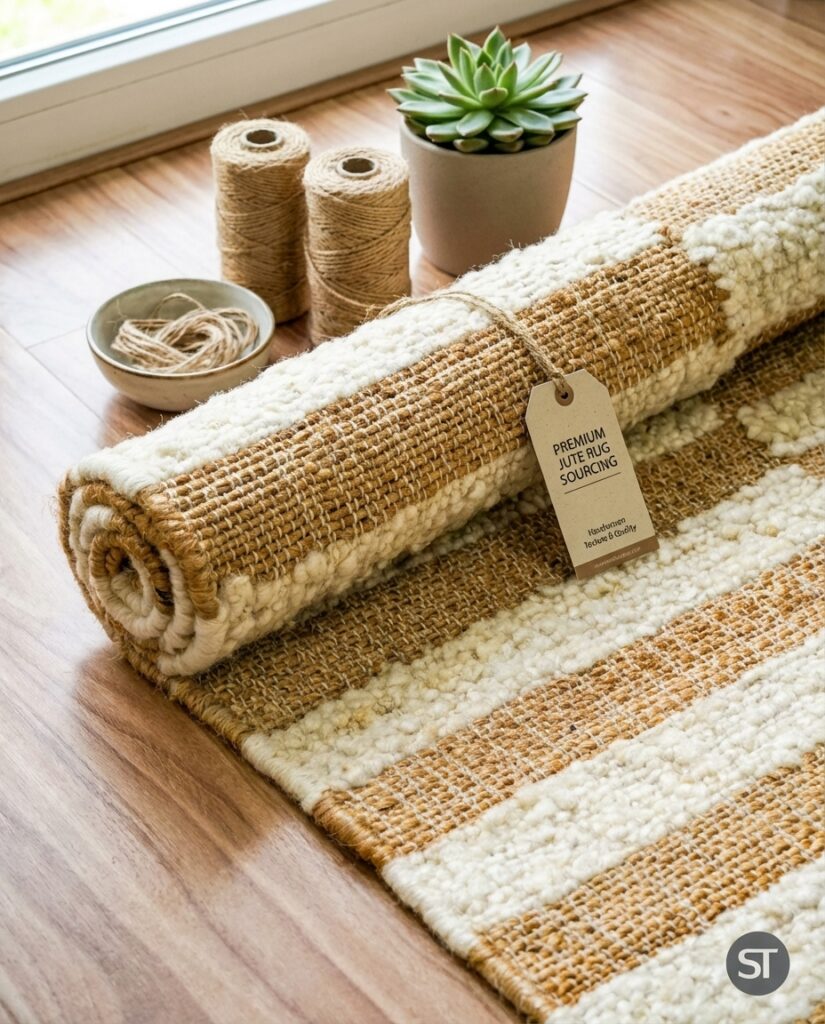
The shift toward sustainable sourcing is one of the biggest drivers behind the rise of jute and wool rugs. Buyers are increasingly looking for materials that reduce environmental impact, and both jute and wool fit perfectly into this category.
Jute is a biodegradable fiber that requires minimal water and pesticides to grow. It’s one of the most eco-friendly materials available for rug production. Wool, on the other hand, is a renewable resource that comes from sheep and can be harvested without harm. Together, these materials help businesses meet sustainability goals without compromising on quality or design.
As regulatory pressures around chemical treatments and flame retardants increase, wool’s natural flame resistance makes it an attractive alternative. Buyers who stock jute and recycled cotton rugs are positioning themselves ahead of the curve.
2. Biophilic Design Is Driving Demand
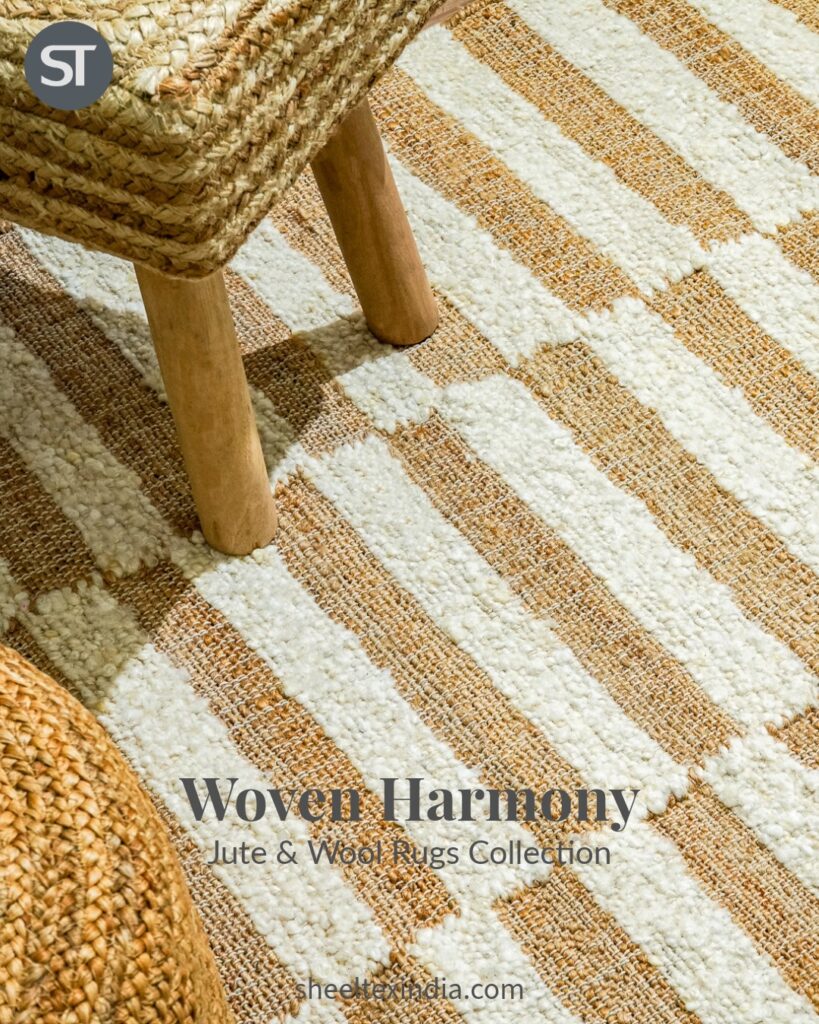
Biophilic design, which brings natural elements into interior spaces, continues to gain momentum. This trend emphasizes organic materials, earthy tones, and textures that connect people to nature. Jute and wool rugs deliver exactly that.
Jute rugs bring a raw, textured look that adds warmth and authenticity to modern interiors. Wool rugs offer softness and depth with natural color variations that synthetic materials simply cannot replicate. Both materials work beautifully in layered rug designs, which are becoming increasingly popular in hospitality and residential projects.
Interior designers are pairing these rugs with natural wood, stone, and greenery to create calming, grounded spaces. For B2B buyers, this means stocking rugs that align with the biophilic aesthetic is a smart move.
3. Durability Meets Functionality
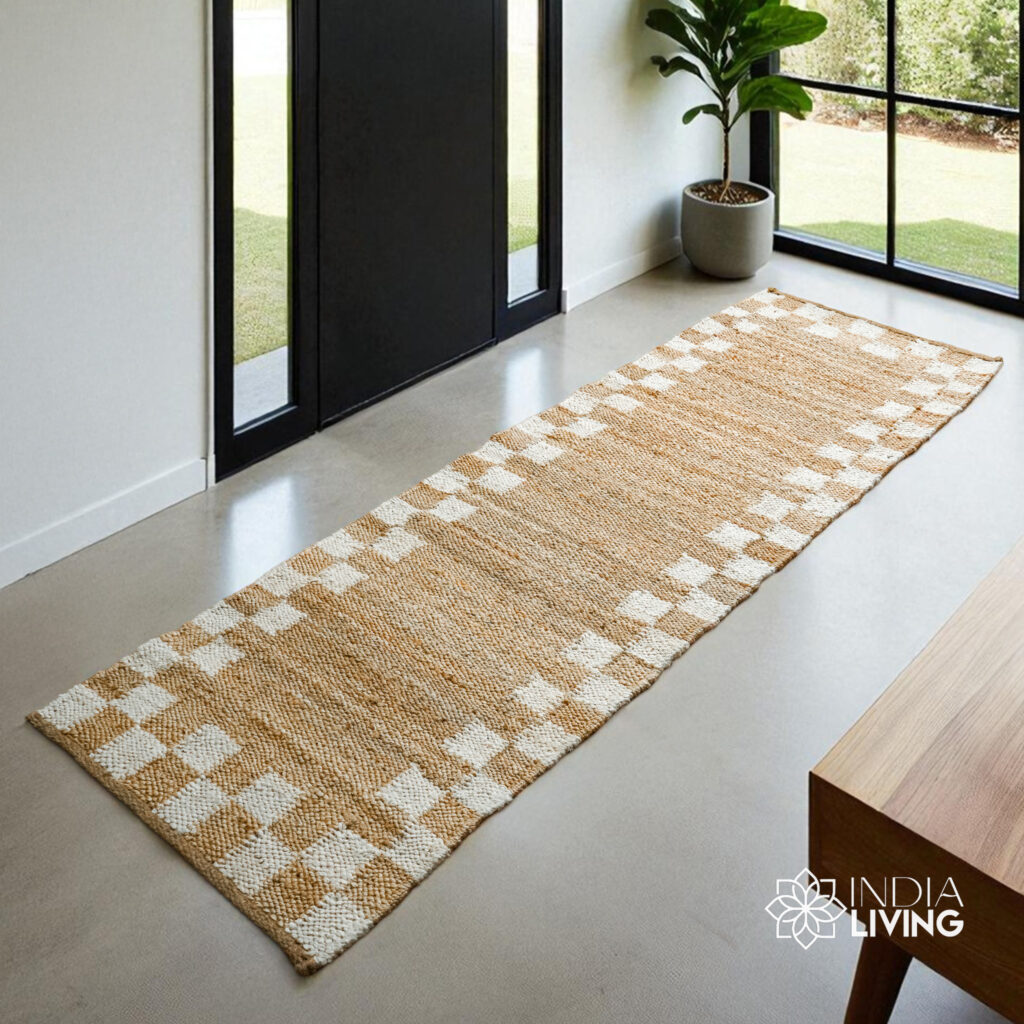
One of the biggest concerns for commercial buyers is durability. Jute and wool rugs excel in this area, making them ideal for high-traffic environments like hotels, restaurants, offices, and retail spaces.
Wool is naturally resilient and resistant to stains, moisture, and wear. It also has air purification properties, absorbing pollutants and improving indoor air quality. This makes wool rugs a healthy choice for enclosed spaces. Jute, while slightly less soft, is incredibly strong and can withstand heavy foot traffic when woven correctly.
Both materials are easy to maintain with regular vacuuming and spot cleaning. Their low-maintenance nature appeals to buyers who want long-lasting products that don’t require constant care. For insights into upcoming styles, explore the latest wool handwoven rug trends.
4. Artisan Craftsmanship Adds Value
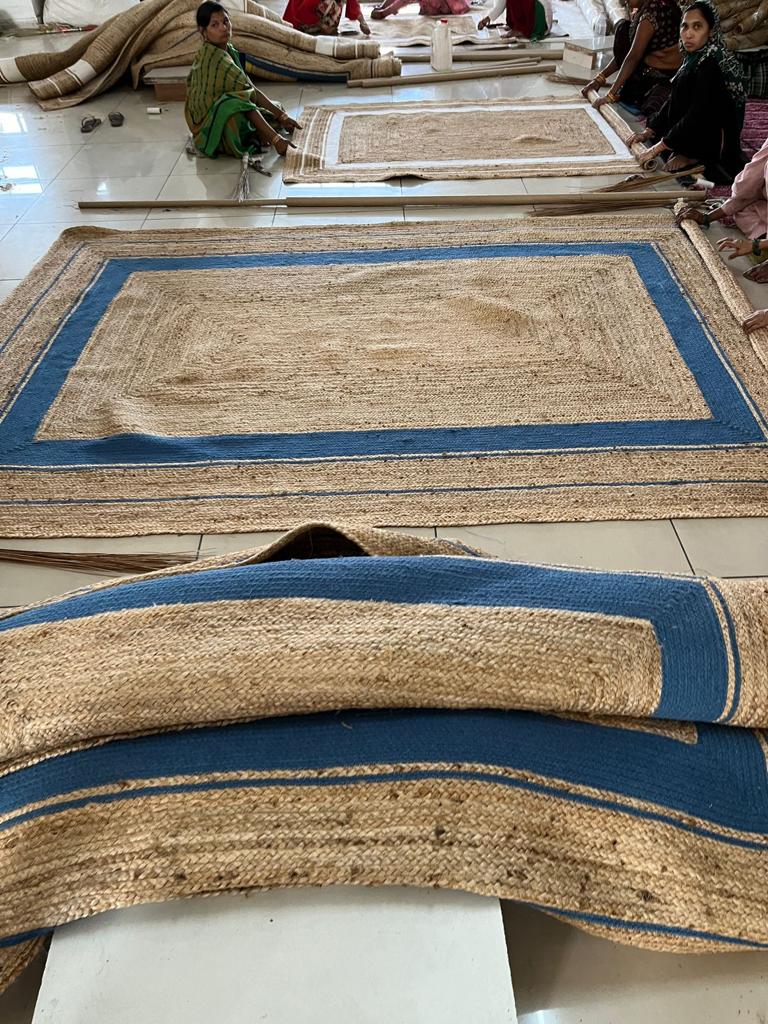
Hand-knotted and handwoven rugs are experiencing a revival as buyers seek authentic, artisan-made products. Jute and wool are both excellent materials for traditional weaving techniques, and India remains a global leader in this craft.
Handwoven jute and wool rugs carry a unique story and character that machine-made rugs lack. Each piece is slightly different, adding exclusivity and charm. Luxury buyers and high-end interior designers are willing to pay a premium for these handcrafted items.
For wholesalers and importers, partnering with handwoven rugs suppliers in India offers access to skilled artisans and competitive pricing. This combination of quality and affordability is difficult to find elsewhere.
5. Affordability and Investment Value

Jute rugs are highly affordable, making them accessible to budget-conscious retailers and online décor buyers. Their cost-effectiveness doesn’t mean compromising on style—jute rugs can look elegant and modern when designed well.
Wool rugs, while more expensive upfront, are a long-term investment. They last for decades with proper care, making them cost-effective over time. This longevity appeals to buyers who want to offer customers durable, high-quality products.
Together, jute and wool rugs cover a wide price range, allowing businesses to cater to multiple market segments. Whether targeting entry-level buyers or luxury clients, these materials provide versatile options. Discover why jute kilim rugs are becoming essential for forward-thinking buyers.
Conclusion
Jute and wool rugs are set to dominate interiors in 2026 thanks to their sustainability, durability, and aesthetic appeal. From biophilic design trends to the demand for artisan craftsmanship, these natural fiber rugs meet the needs of modern buyers and designers. Whether you’re sourcing for hospitality projects, retail collections, or online stores, now is the time to stock up.
Ready to import jute and wool rugs from India? Contact Sheeltex India to discuss MOQ, customization options, and sampling. Our export-ready collections are designed for wholesalers, retailers, and designers who want quality and reliability.
“`
Enquire about your collection or project
Tell us which products you need, your preferred sizes, quantities and destination. You can also share your collection or project requirements.
Make it part of your
next collection.
Share the designs you like, approximate quantities and destination. Let’s discuss samples, pricing and custom options.
