
How to Source Hand-Tufted Cotton Bathmats from India
Last updated: September 2026
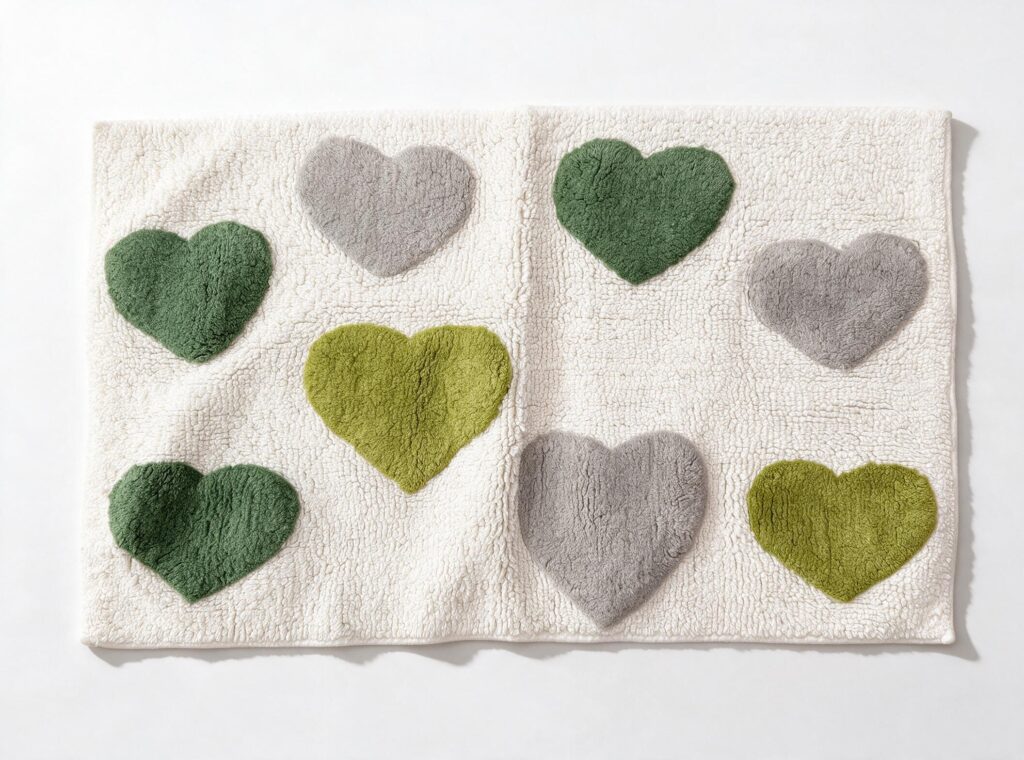
A cotton bathmat’s construction decides whether it survives daily wet-foot traffic or thins out after twenty washes. Wholesale buyers vetting a cotton bathmat manufacturer in India need to check GSM, pile height, absorbency, and colorfastness before committing to a hand-tufted cotton line — construction quality, not the pattern, is what determines reorder rates.
The importance of GSM and pile height for bathmat performance
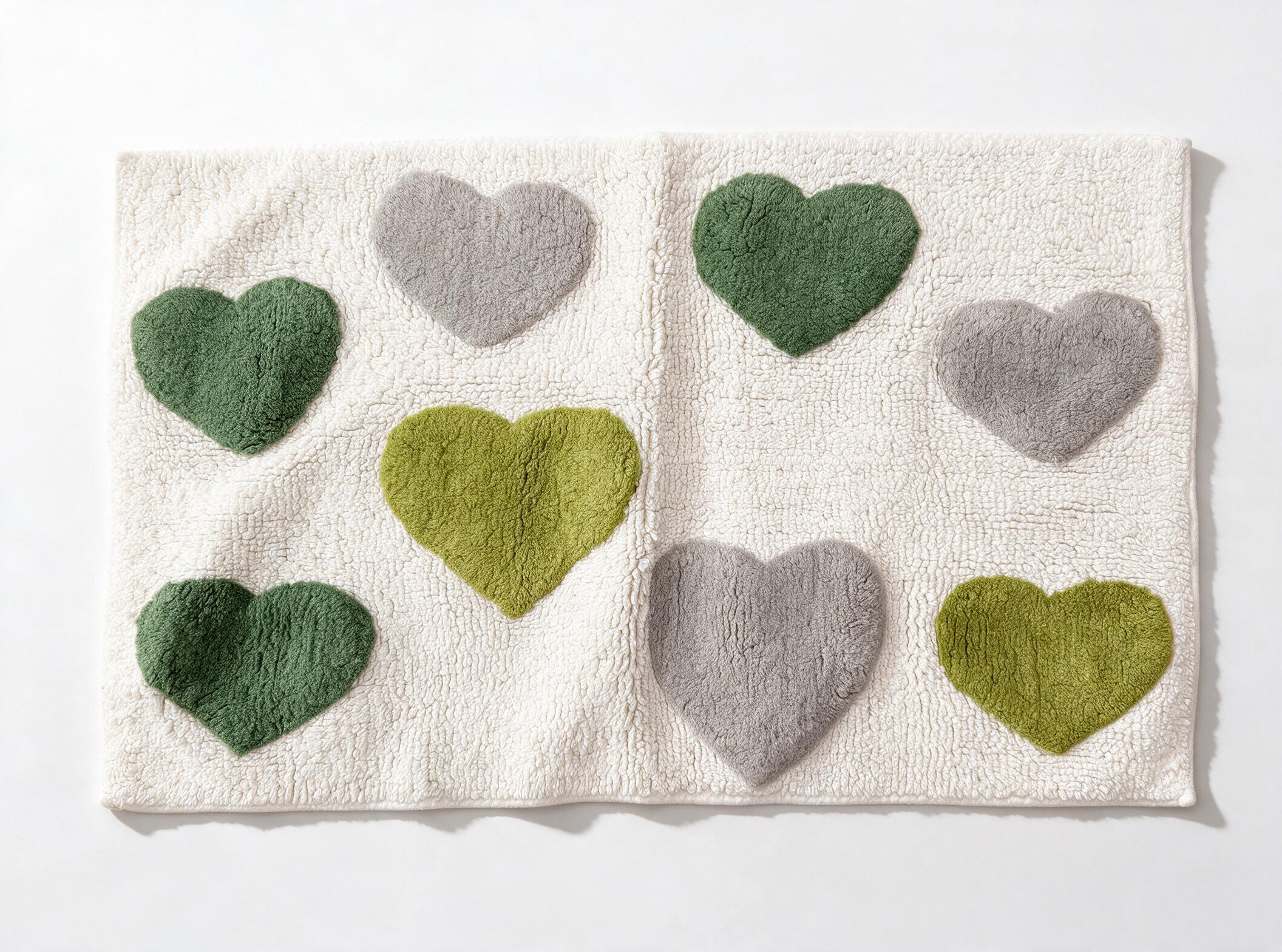
GSM (grams per square metre) and pile height together decide how a cotton bathmat feels, dries, and holds its tufted loops after repeated washing. Low-GSM, short-pile mats save on freight weight but flatten fast in high-traffic bathrooms; higher GSM with a denser tuft survives commercial laundering better but costs more to ship.
| Use case | Typical GSM range* | Pile character | Wash behaviour |
|---|---|---|---|
| Light retail / guest room | 600–800 GSM | Short, tight tuft | Dries fast, softens with washing |
| Mid-tier hospitality | 800–1100 GSM | Medium tuft, denser base | Holds shape through commercial laundering |
| Spa / heavy-traffic hotel | 1100 GSM+ | Dense, cut-and-loop mix | Slower to dry, longest wear life |
*Ranges reflect general cotton bathmat industry benchmarks — always ask for the cycle-tested GSM figure for the specific SKU you’re ordering, since two mats can look identical off the frame and diverge once washed at scale.
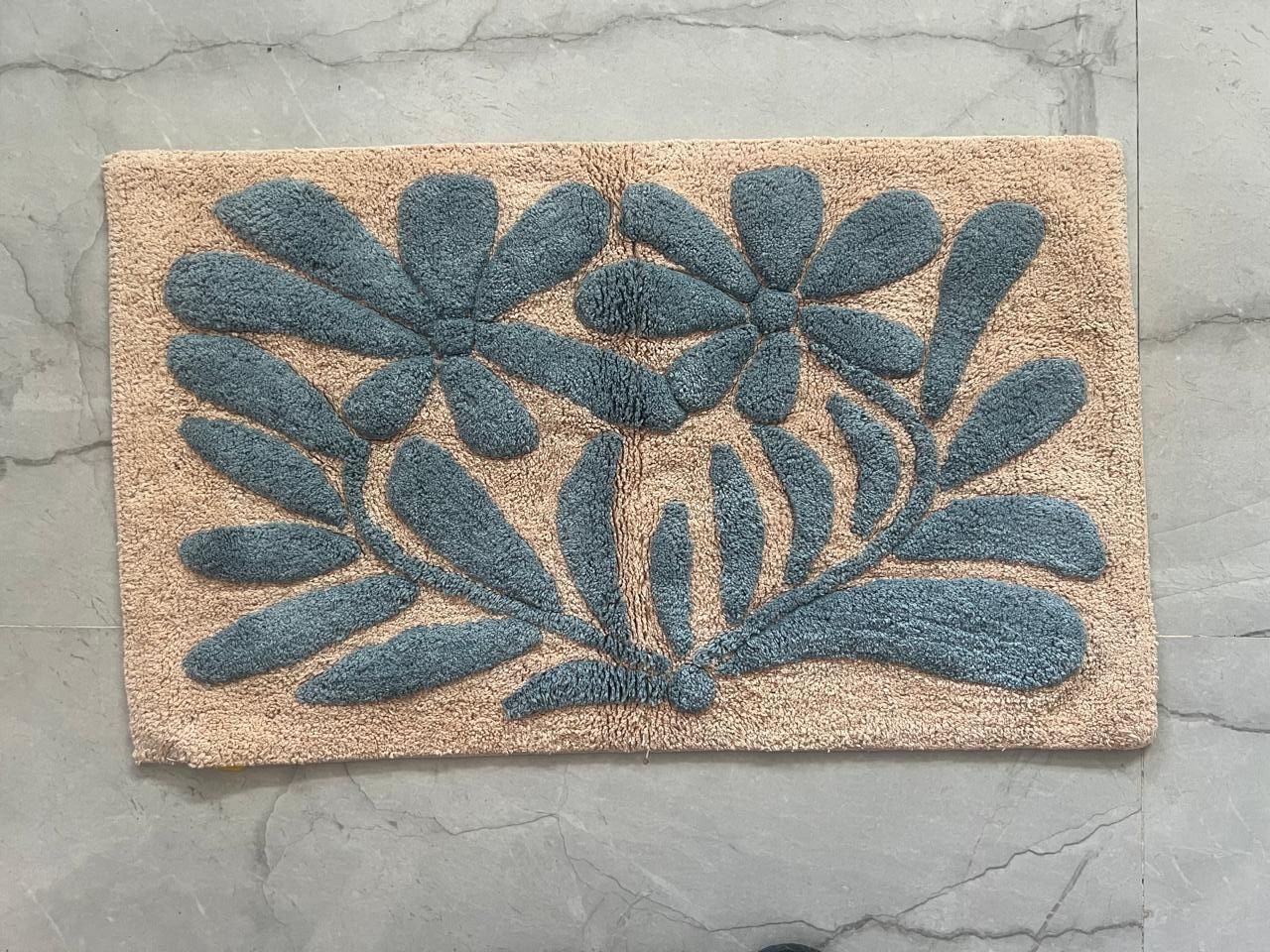
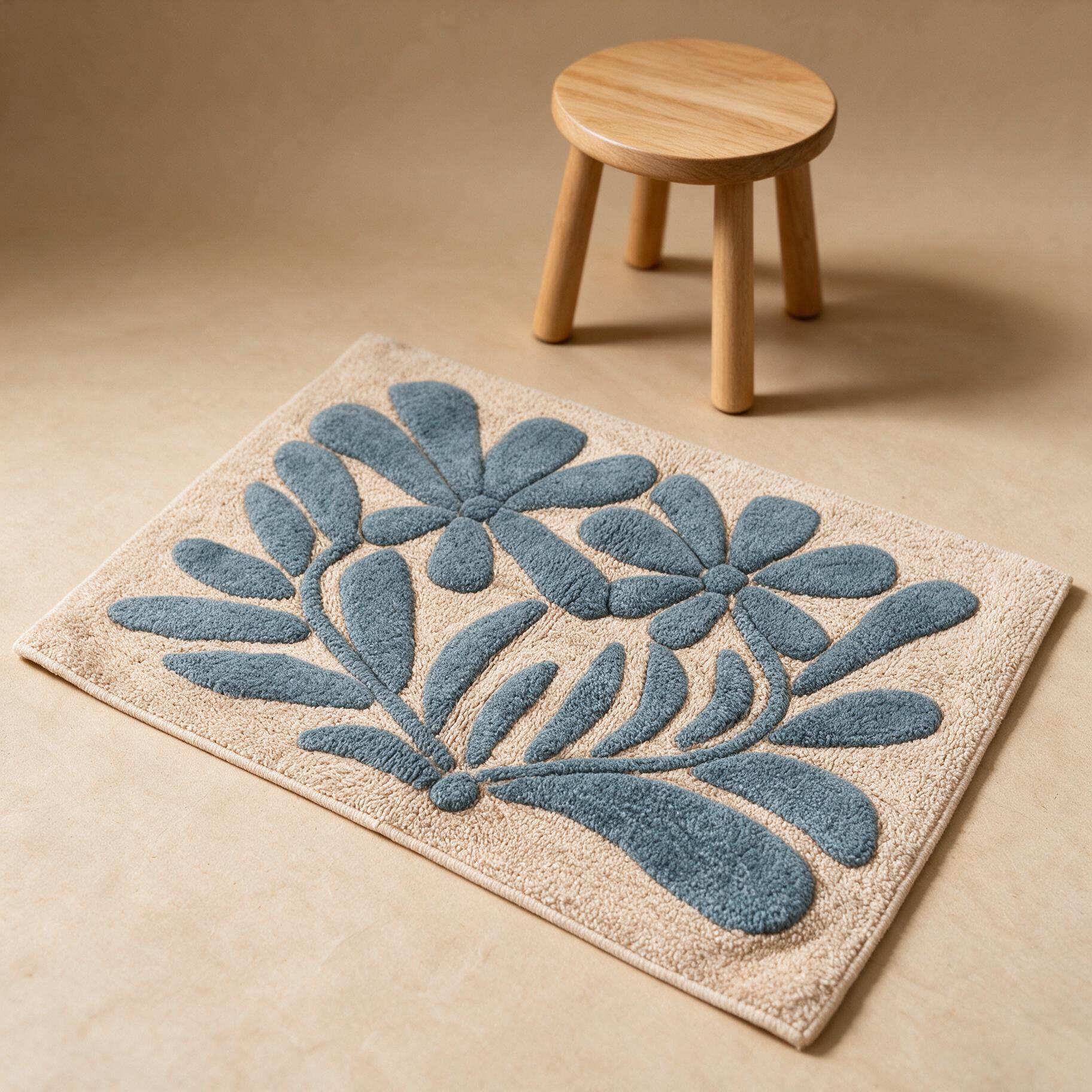
Specify GSM without asking how many wash cycles it was tested against, and the second production run can land 8–10% lighter than your approved sample — cotton yarn compresses differently once a factory scales from a five-piece sample batch to a 500-piece lot. A design like the Bloom bathmat (ACB-26019) carries a denser base tuft than a lighter retail-tier construction, which is exactly the kind of detail worth confirming on a spec sheet rather than assuming from a photograph.
Where hand-tufted cotton bathmats belong — and where they don’t
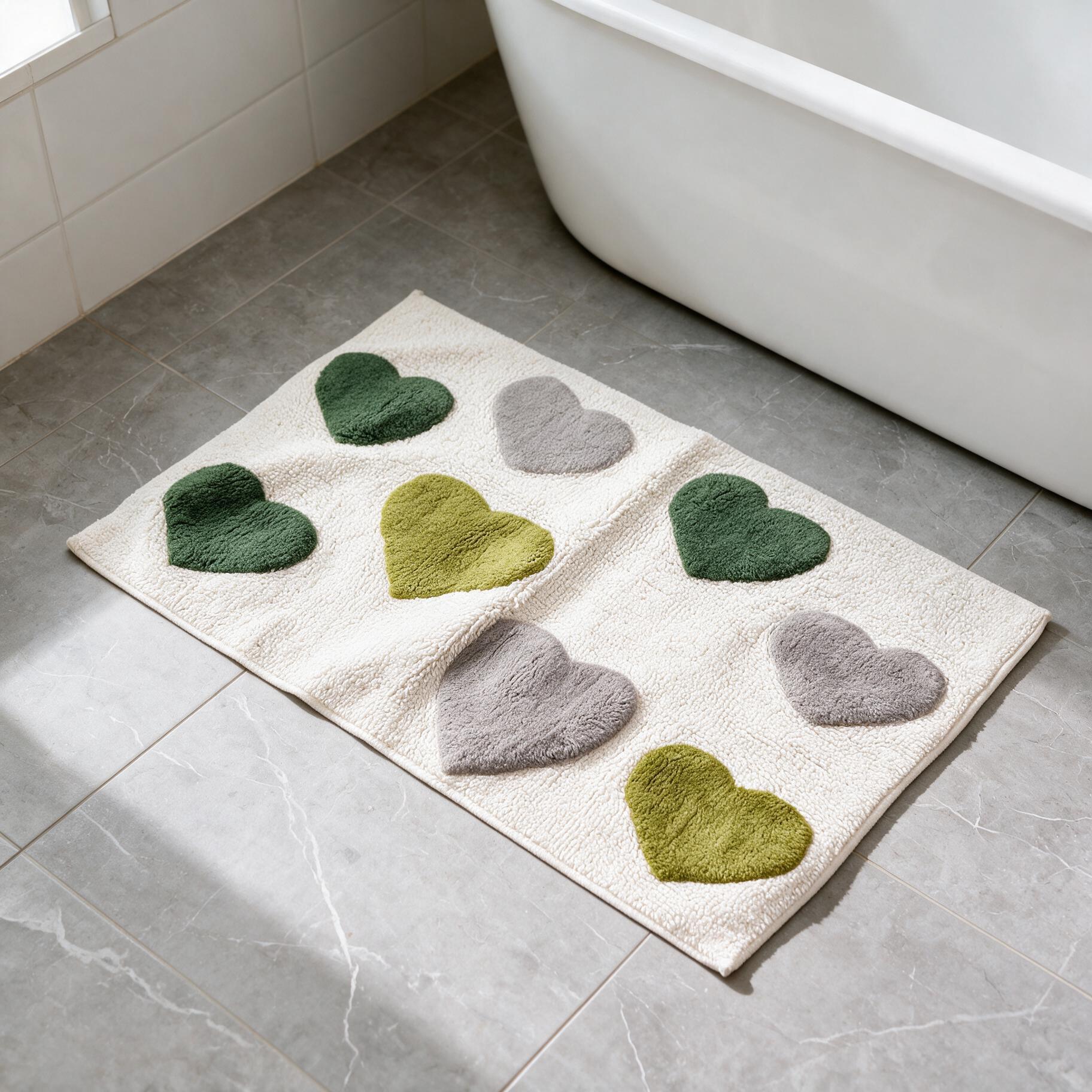
Hand-tufted cotton bathmats are built for indoor bathroom floors — bath mats, vanity mats, and spa-adjacent walkways where a soft, absorbent, machine-washable surface matters more than water resistance. They are not built for outdoor decks, poolside stone, or anywhere exposed to standing water or direct sun, where an untreated cotton pile will mildew and fade rather than perform.
Inside the bathroom, that translates to guest-room floors, retail bath departments, and boutique home lines where the buyer’s real question is comfort underfoot and machine-wash survivability, not slip resistance on wet tile. If a program needs a mat that works both sides of the same floor space, reversible bathmat construction is worth comparing against a single-face hand-tufted piece before you commit a container to one construction.
Review: ACB2612 and ACB-26001 — two hand-tufted cotton options for different price points
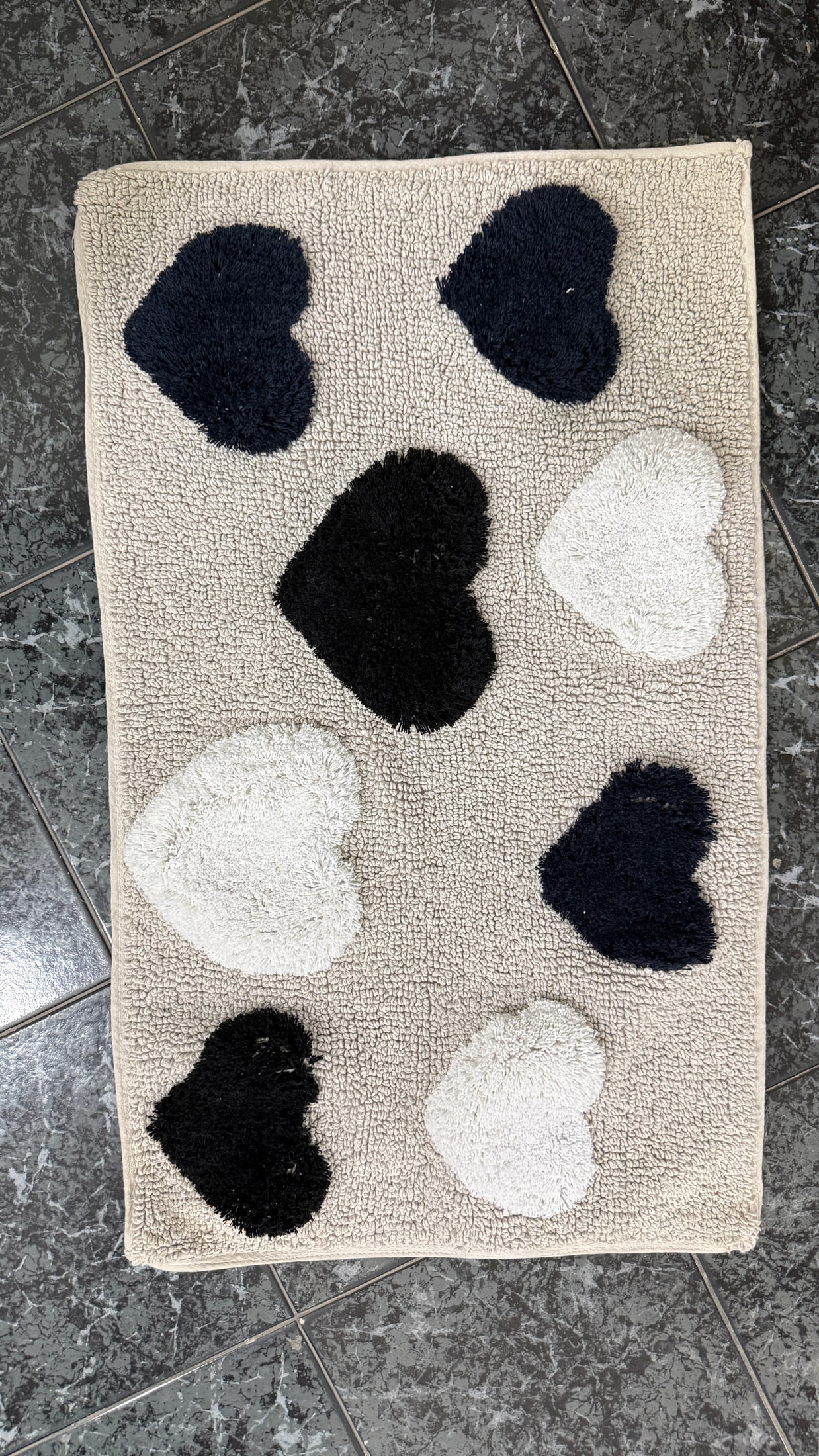
ACB2612 and ACB-26001 (Hearts) are both 100% cotton, hand-tufted bathmats built to the same 70 x 100 cm sample size and 100-piece MOQ, but they sit at different points on the price ladder because of pattern complexity, not construction quality.
ACB2612 runs as the program’s base offer — a simpler tuft pattern that keeps labor hours down and is easiest to reorder in volume across multiple colourways. ACB-26001 carries a heart motif tufted directly into the pile, which adds setup and colour-change time on the frame and positions it as the design-forward SKU in the same category. A third reference point, the Bloom bathmat (ACB-26019), sits closer to ACB-26001 on complexity but uses a different repeat, which is useful if a buyer wants two design stories without changing construction tier.
| SKU | Design | MOQ | Sample size | Best-fit buyer |
|---|---|---|---|---|
| ACB2612 | Base tuft pattern | 100 pcs | 70 x 100 cm | Volume retail, private label |
| ACB-26001 (Hearts) | Motif tufted | 100 pcs | 70 x 100 cm | Design-led retail, gift sets |
| ACB-26019 (Bloom) | Motif tufted, different repeat | 100 pcs | 70 x 100 cm | Seasonal or multi-story ranges |
Buyers comparing pile-based bathmats against a looped construction like chenille often ask which absorbs faster — worth reading how chenille bathmats behave differently in wash testing before assuming a hand-tufted cotton mat is a drop-in substitute.
How to evaluate absorbency, drying time, and colorfastness in cotton bathmats
Absorbency and drying time in a hand-tufted cotton bathmat come down to tuft density and yarn ply, while colorfastness comes down to dye process and rinse cycles — none of which show up in a studio photo, so ask for the test data rather than judging by eye. A mat that looks identical to your approved sample can still fail a 30-cycle wash test if the dye lot changes between production runs.
In 2025 export shipments we tracked, close to a third of buyer complaints on cotton bath linen traced back to colour bleed on the first three washes rather than to the construction itself — a dye-fixing issue, not a tufting issue. Ask any supplier for their standard wash-cycle count before sign-off; a mat quoted without one has likely skipped colour-correction entirely. For drying time specifically, denser tuft holds more water per square metre, which is a trade-off worth flagging to hospitality buyers who turn rooms same-day.
Why hand-tufted cotton bathmats are a hotel favorite for durability and comfort
Hotels favour hand-tufted cotton bathmats because the tufted pile gives a softer first-step-out-of-shower feel than flatwoven cotton, while still holding up to industrial laundering when the GSM and dye process are specified correctly. The tuft also allows motif and colourway changes per property without retooling a loom, which matters for chains running multiple brand standards.
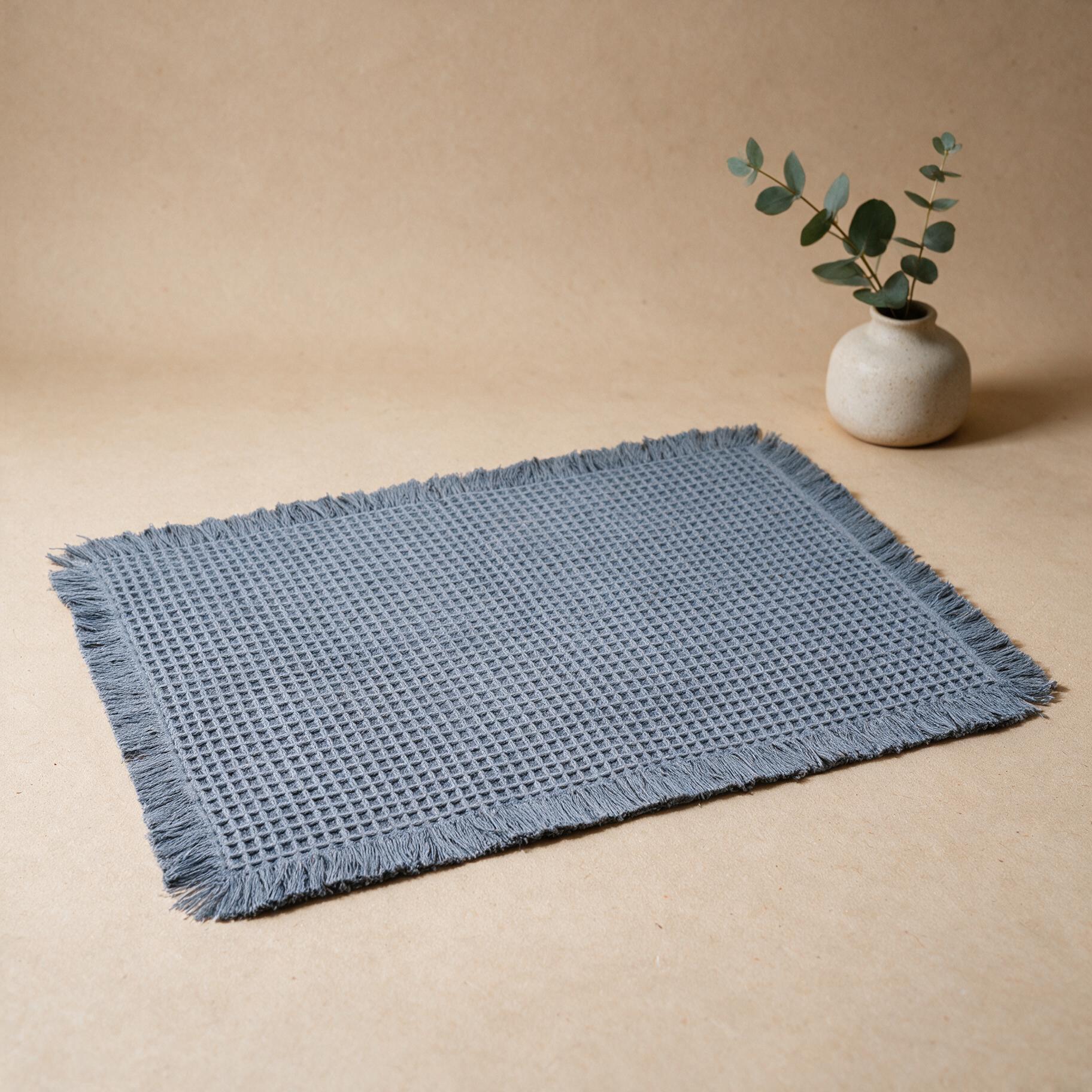
A texture like the Waffle bathmat (ACB-26028) shows a different surface option within the same hand-tufted cotton category — a grid-tuft that hotel housekeeping teams often prefer for its quicker visual-clean check after laundering. Buyers building a full bath-linen program sometimes pair bathmats with matching hand-tufted cotton throws for guest suites, which keeps the tuft construction and wash specs consistent across categories rather than juggling two different supplier standards.
Sample process and MOQ considerations when sourcing from India
Sampling for hand-tufted cotton bathmats from India typically runs 10–14 days from approved artwork to a shippable sample, and MOQs commonly sit around 100 pieces per SKU, per colourway — enough to test a retail set without committing to a full container. Buyers who skip the physical sample and approve from a digital mock-up are the ones most often surprised by pile density or colour on landing.
A category manager ordering 300 pieces across three colourways will typically hit a 3–4 week production window once samples are signed off, longer if custom motifs require new tufting cards. If your program needs logo tufting or a private-label swing tag, it’s worth reading how buyers approach customizing bathmats in bulk before finalising artwork, since customization timelines and MOQ can shift together. Our own bathmat range runs the same 100-piece MOQ structure across the hand-tufted cotton program described above, which keeps sampling comparisons apples-to-apples across SKUs.
If you’re building out a Q4 bath-linen order and want a second opinion on your spec sheet, our merchandiser team reads them all — email a tearsheet with your GSM and colourway targets and we’ll come back with a sample plan.
Frequently Asked Questions
What is the MOQ for hand-tufted cotton bathmats from India?
Most hand-tufted cotton bathmat programs, including Sheeltex’s ACB2612 line, run a 100-piece MOQ per SKU and colourway. This is enough to test a retail set or a hotel floor’s worth of rooms without committing to a full container of a single design.
How long does sampling take for a custom cotton bathmat order?
Sampling typically takes 10–14 days from approved artwork to a shippable physical sample, longer if the design requires new tufting cards for a custom motif. Approving from a digital mock-up alone often leads to surprises in pile density or dye colour once goods land.
What GSM cotton bathmat is best for hotels?
Hotels running commercial laundering generally do better with 800–1100 GSM hand-tufted cotton bathmats — enough density to hold shape through repeated wash cycles without the slower drying time that comes with 1100 GSM-plus spa-tier constructions. Always ask for the cycle-tested GSM, not the off-loom figure.
Can hand-tufted cotton bathmats be customized with a private label or logo?
Yes. The tufting process allows a motif, monogram, or logo to be tufted directly into the pile without changing the base construction, and custom colourways can usually be matched to a Pantone reference during sampling. Lead times extend slightly when new tufting cards are needed.
Are hand-tufted cotton bathmats suitable for outdoor or high-moisture use?
No. Untreated hand-tufted cotton bathmats are built for indoor bathroom floors and machine washing, not for outdoor decks, poolside areas, or standing water, where the pile will mildew and fade. For those settings, a treated or synthetic construction is the correct spec.
