
What to send when requesting a custom-size rug
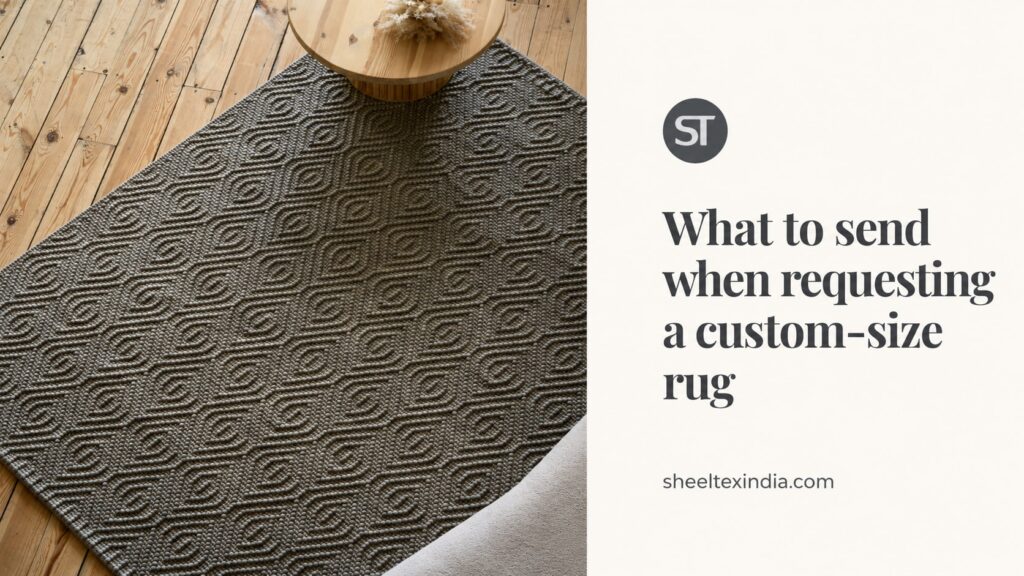
A custom-size rug enquiry should describe the same order you expect to receive. Send finished dimensions with units, a design reference, quantities for each size, placement constraints, and the delivery destination and required date. Ask the supplier to confirm the proposed construction, edge finish, sample process and quotation basis before you approve the order.
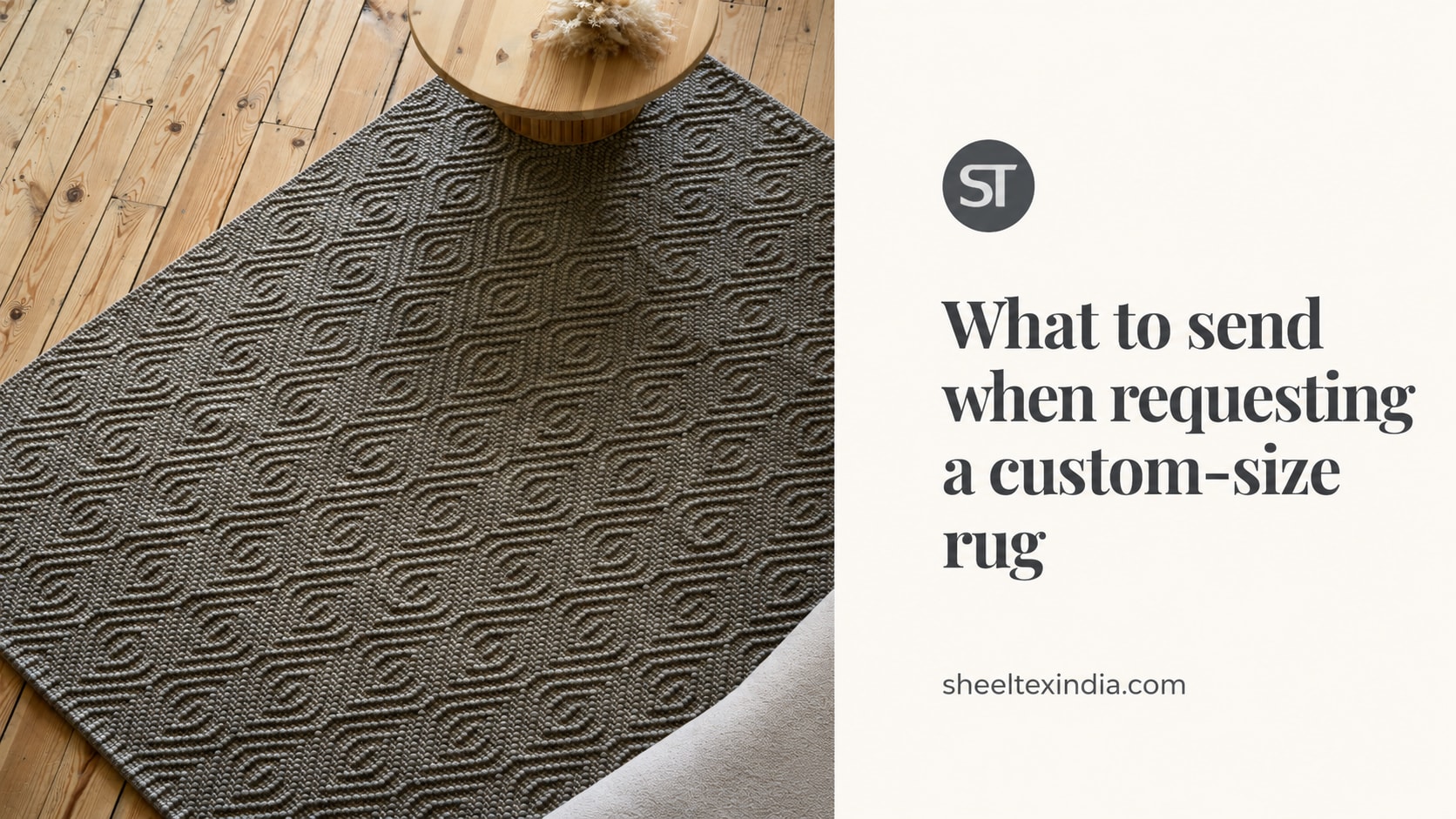
For retail and project buyers, the most useful starting point is a short size-by-design schedule. It lets everyone refer to the same requirement when discussing a quote, a sample or a later change. The photographs here show actual Sheeltex product details as visual examples; they are not a promise that every design can be adapted to every requested size.
Build a size-by-design schedule
Use one line for each combination of design and finished size. Keep the measurement unit beside the numbers, and distinguish the quantity of pieces from the dimensions. “12 rugs, each 240 × 180 cm” is clearer than a note containing three numbers without labels.
For example, an illustrative enquiry could contain these two lines. These are hypothetical requirements, not Sheeltex prices, minimum quantities or available sizes:
| Reference | Finished length × width | Quantity | Detail to confirm |
|---|---|---|---|
| Living-area design reference | 240 × 180 cm | 12 pieces | Finished edge included in dimensions |
| Corridor design reference | 250 × 80 cm | 8 pieces | Pattern direction along the length |
For a shaped rug, add a drawing with each relevant side marked. Identify a fixed point such as a wall or doorway so that the direction is clear. Ask what the finished dimensions include, particularly where a fringe or binding affects the outline. Agree permitted size variation in writing rather than assuming the same precision for every construction.
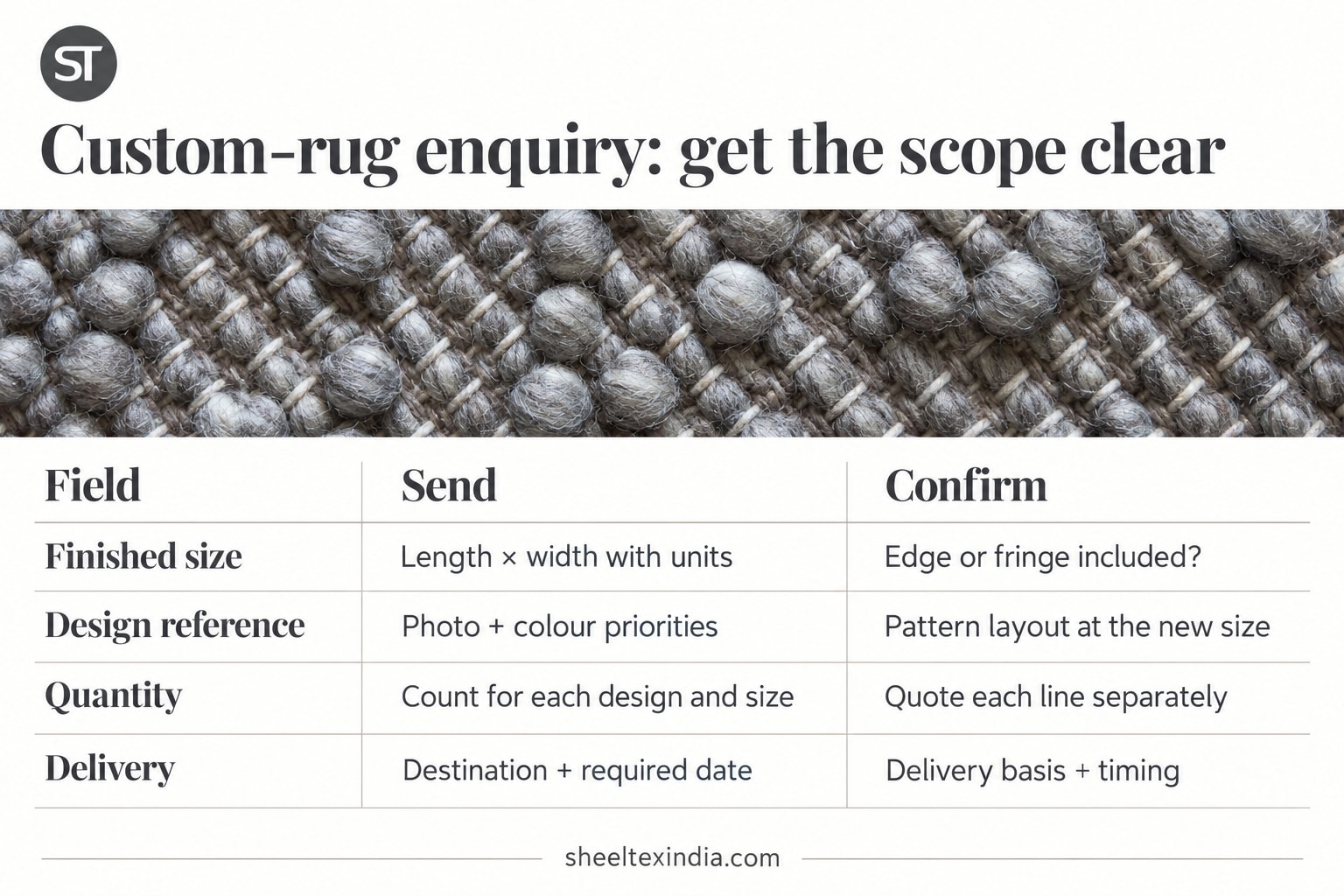
The enquiry checklist separates what you send from what the supplier needs to confirm: size and edges, design and pattern layout, quantity per line, and delivery requirements.
Describe the placement constraints
A photograph of the intended placement helps explain requirements that a size table cannot show. Include nearby doors, furniture, fixed cabinetry or circulation routes when they affect the fit. State whether the rug needs to sit beneath furniture, within a defined area or clear of a moving door.
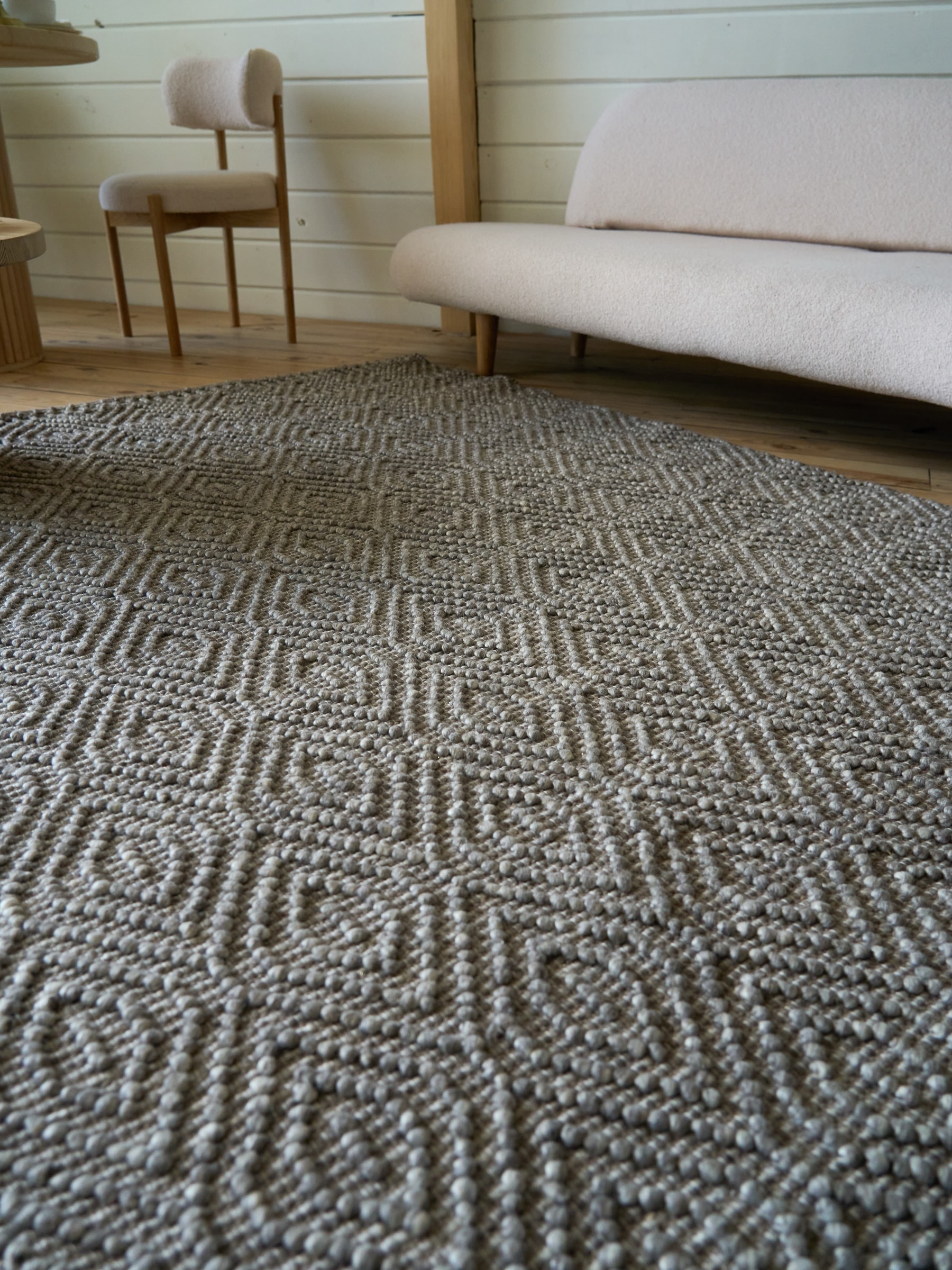
This room photograph shows the rug in relation to seating and a table. For your own brief, send a similarly wide view and mark the proposed edges; a close-up alone cannot explain the placement.
For a dining area, test the outline with your actual chairs in both seated and pulled-back positions. IKEA’s dining-rug guidance also discusses checking the furniture layout on the floor. The purpose is to test the fit before choosing dimensions, rather than copying a size from a room photograph.
For a project with several locations, give each one a clear reference and match it to the relevant order line. Explain the expected use and ask about the suitability of the proposed construction. A product photograph does not establish thickness, slip resistance or performance under moving furniture.
Tell the supplier what matters in the design reference
A reference image can communicate colour, texture, pattern scale or edge shape. Say which features you want to retain and which you are open to changing. If you start from our home-furnishing collection, send the image alongside the requested size and ask how the design would be laid out at those proportions.
A wider or narrower rug may change the relationship between a border and the central pattern. Ask for the proposed layout before approving it. If orientation matters, mark the direction on the drawing instead of relying on “top” and “bottom” in an email.
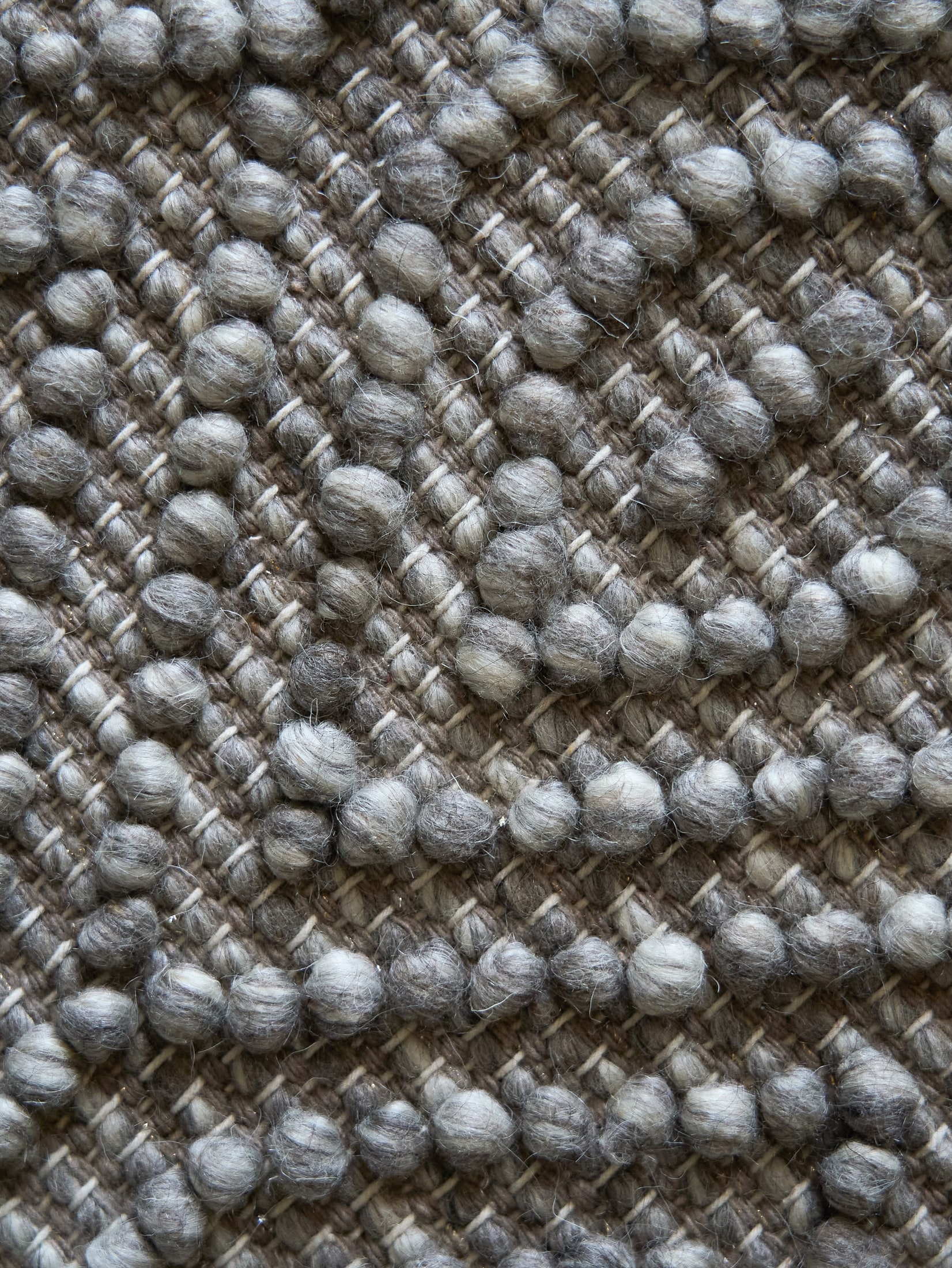
A close-up makes visible texture easier to discuss. Pair it with a whole-rug photograph so the supplier can understand both the surface and the overall design. It cannot, by itself, confirm fibre content or cleaning performance.
For colour, use screen images to start the discussion and agree an appropriate physical reference or sample when a close match matters. Keep that reference with the approval record. Changing the reference after sampling should trigger a clear discussion of what needs to be checked again.
Compare quotations on the same basis
Ask each supplier to quote against the same size-by-design schedule and identify any proposed alternative. A lower unit price is difficult to assess when the construction, edge treatment or included services differ.
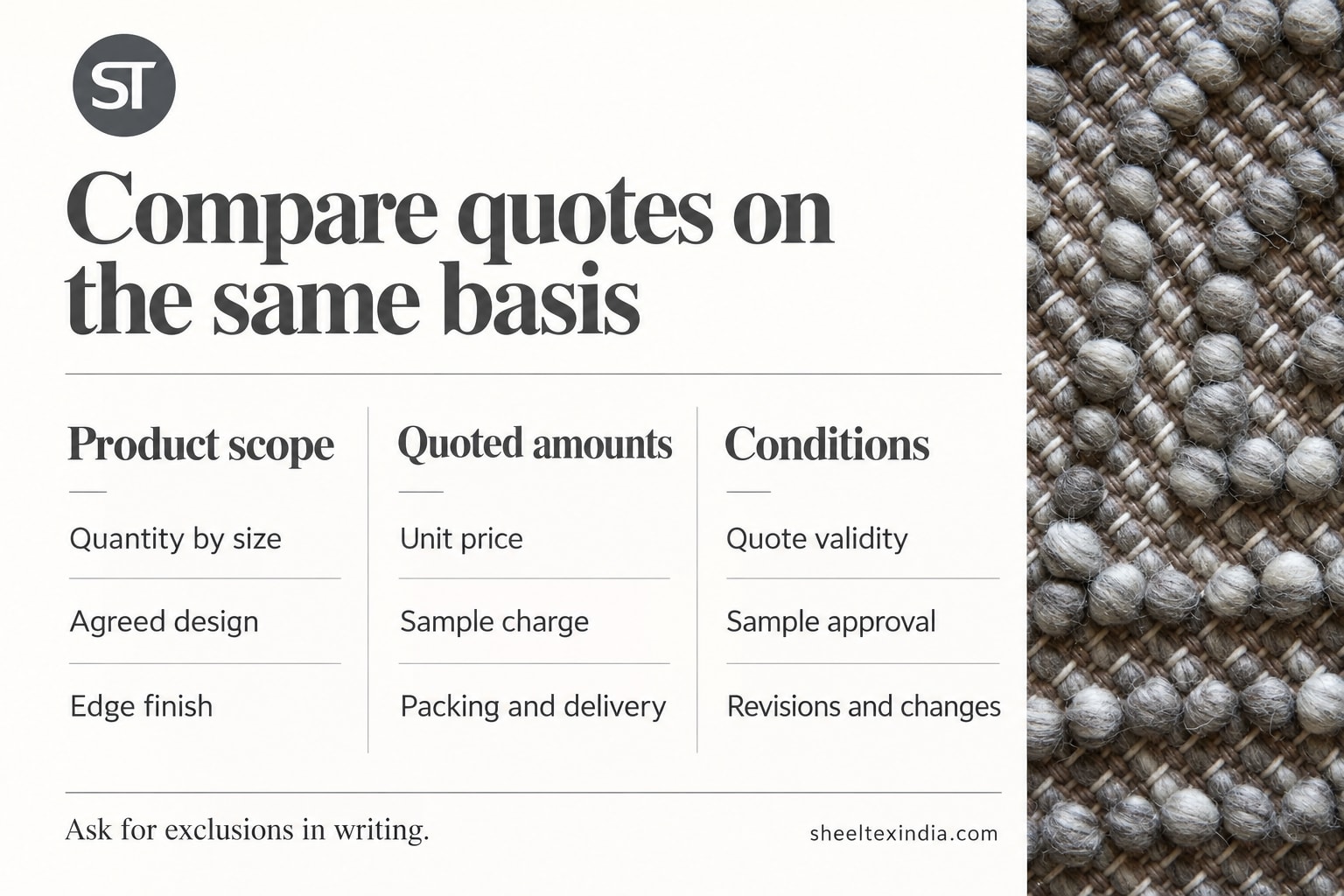
Check the product scope, quoted amounts and conditions separately. Ask which sample, packing and delivery charges are included or excluded. Confirm the quoted currency, delivery basis, destination, validity period and the point from which any proposed timing is counted. Your required arrival date is a requirement to assess, not a confirmed delivery promise.
Keep the answers beside the quotation. If one quote includes packing and another excludes it, resolve that difference before comparing totals. If a design or quantity changes, request an updated quote referring to the revised schedule. Do not treat an earlier quotation as covering an unagreed change.
Make sample approval a usable production reference
Before approving production, bring the agreed details into one written record: finished dimensions and any agreed variation, design layout, colour reference, edge finish, and care instructions for the selected construction. Identify the sample or reference being approved and date the approval.
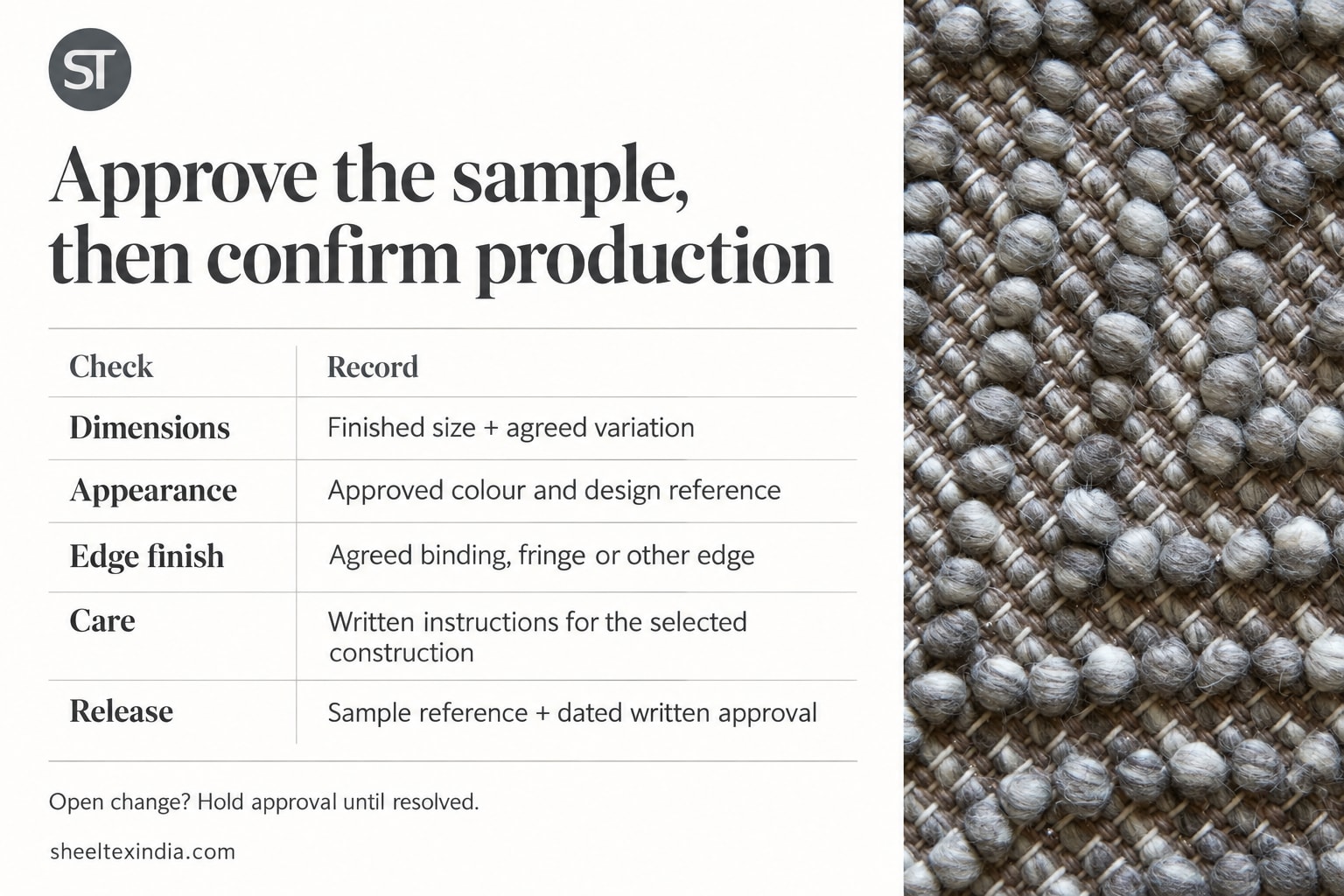
The sample checklist records what was checked and which reference is approved. Keep unresolved changes separate from the approved requirements. If an edge, colour or layout still needs revision, ask whether a new sample or another documented check is required before release.
Store the final approval with the order schedule and quotation. This gives both sides a common reference if a later question arises. A message saying “looks good” is less useful when several samples or versions have been exchanged.
Use this enquiry template
Copy the fields below into your enquiry and attach the relevant images. Remove fields that do not apply, but keep units, quantities and reference names explicit.
- Intended use and placement: describe the location and any fit constraints.
- Design reference: attach the whole view and identify the colour, texture or pattern details that matter.
- Finished sizes: list length × width with units, one line per design and size.
- Quantity: state the number of pieces for each line.
- Edge and shape: note your preference and ask what can be confirmed.
- Delivery: give the country, postcode where relevant, and required arrival date.
- Quotation request: ask for the unit price, sample charges, packing/delivery basis, exclusions and validity.
- Approval request: ask which sample or reference will establish the final agreed requirements.
Send the schedule, placement image and design references through our enquiry page. A complete brief gives Sheeltex a useful starting point to assess the request and identify what needs agreement before an order is confirmed.
Frequently Asked Questions
How should I list several custom rug sizes in one enquiry?
Use one line per design and finished size. State length × width with units, the quantity of pieces and the matching design reference for each line.
What should I compare beyond the unit price?
Compare the agreed design, construction and edge finish, then check sample charges, packing and delivery, exclusions, quote validity and approval conditions.
What belongs in a custom rug sample-approval record?
Identify the sample and date the approval. Record the agreed finished dimensions, permitted variation, colour and layout reference, edge finish and care instructions. Resolve open changes before release.
Enquire about your collection or project
Tell us which products you need, your preferred sizes, quantities and destination. You can also share your collection or project requirements.
Make it part of your
next collection.
Share the designs you like, approximate quantities and destination. Let’s discuss samples, pricing and custom options.
