
Sourcing Textured Wool Rugs: Handcarded Styles for Modern Retail
Last updated: August 2026
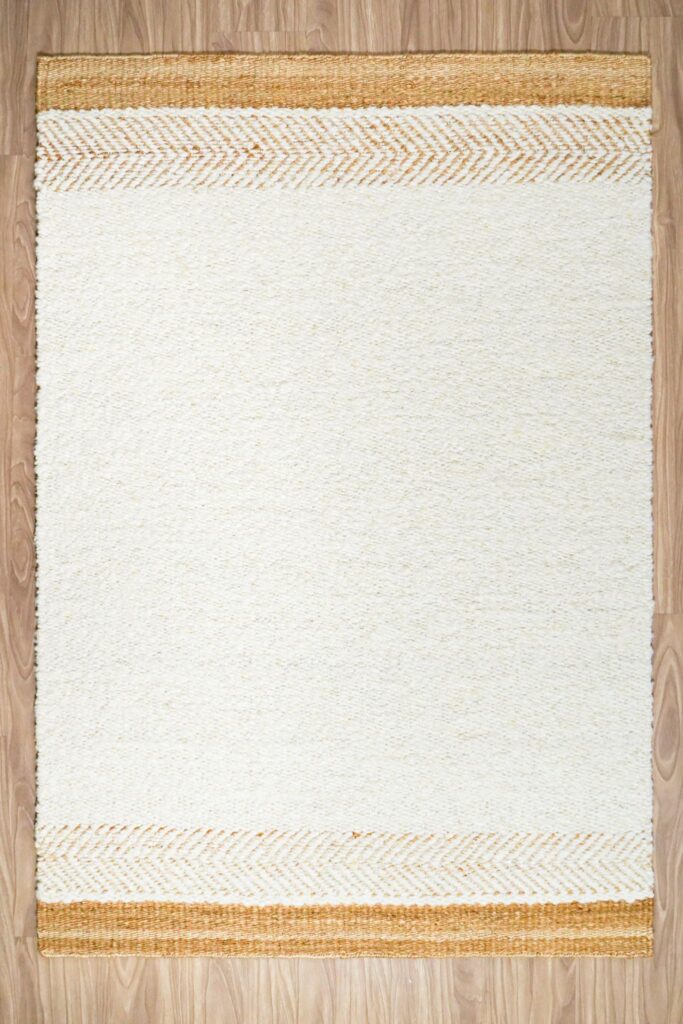
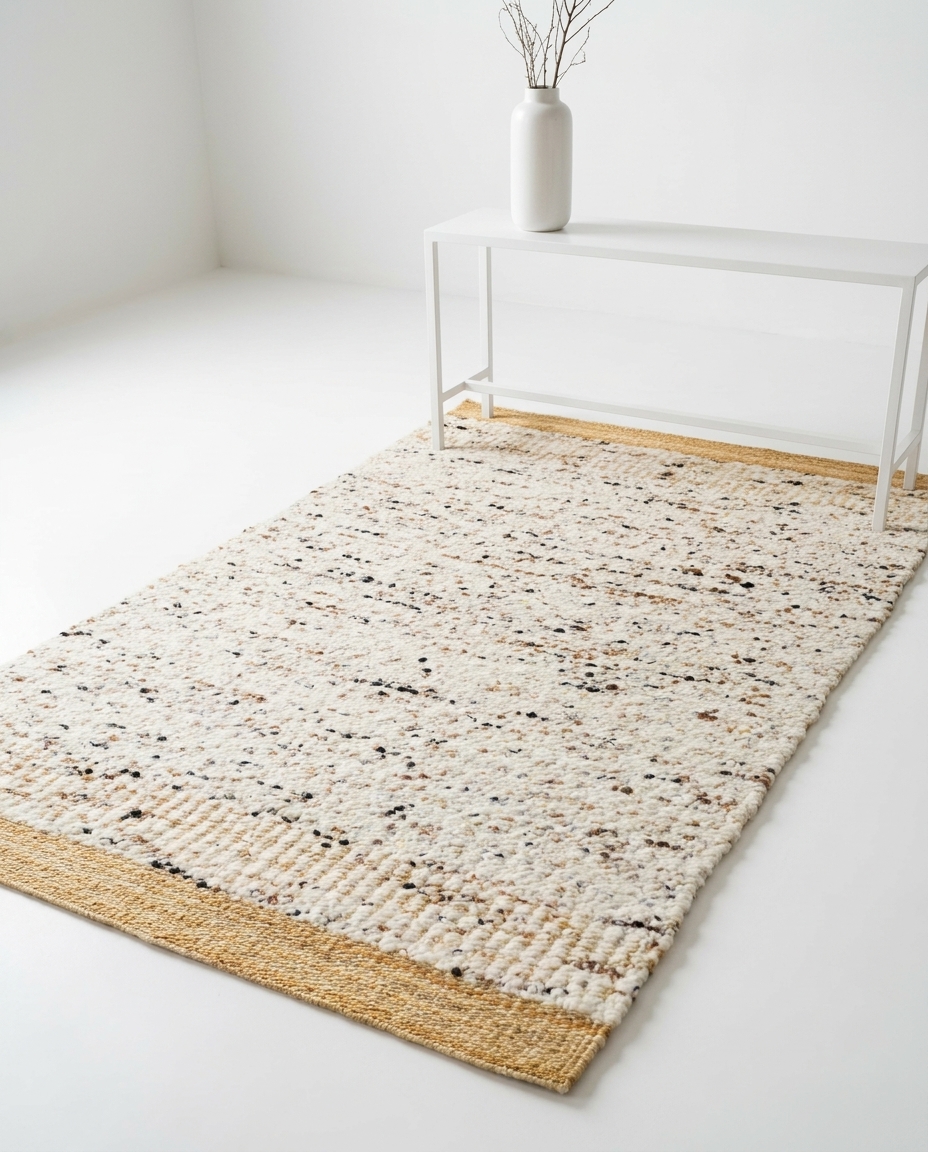
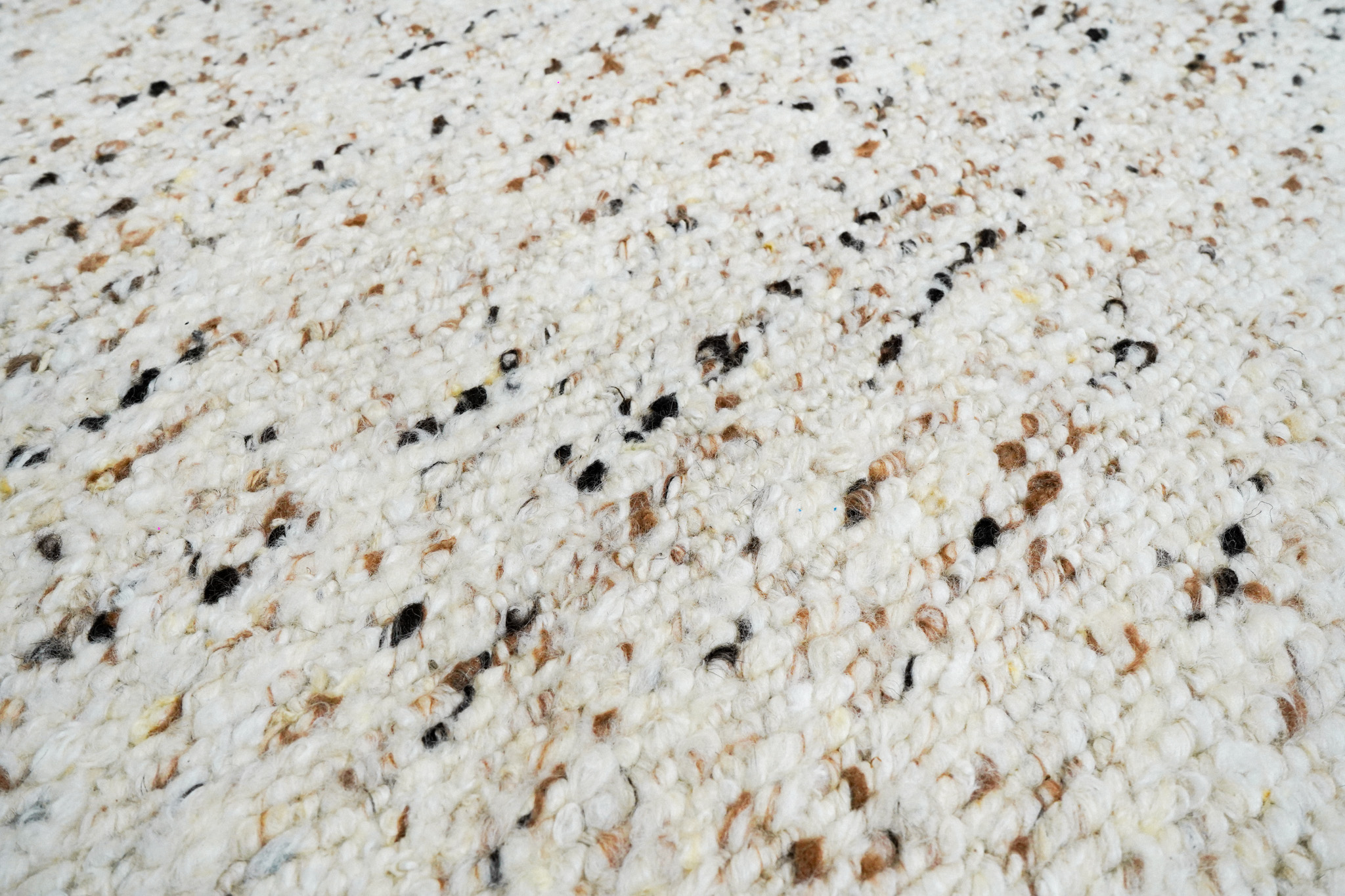
Handcarded wool rugs get their signature marled, heathered look not from dye but from the carding stage itself—raw fleece is combed by hand to blend fibres of very slightly different natural shades before it’s spun into yarn. For US retail buyers building out a neutral rug program, that built-in tonal variation is exactly why the look reads as considered rather than flat, and why it keeps reordering season after season rather than falling out of a trend cycle.
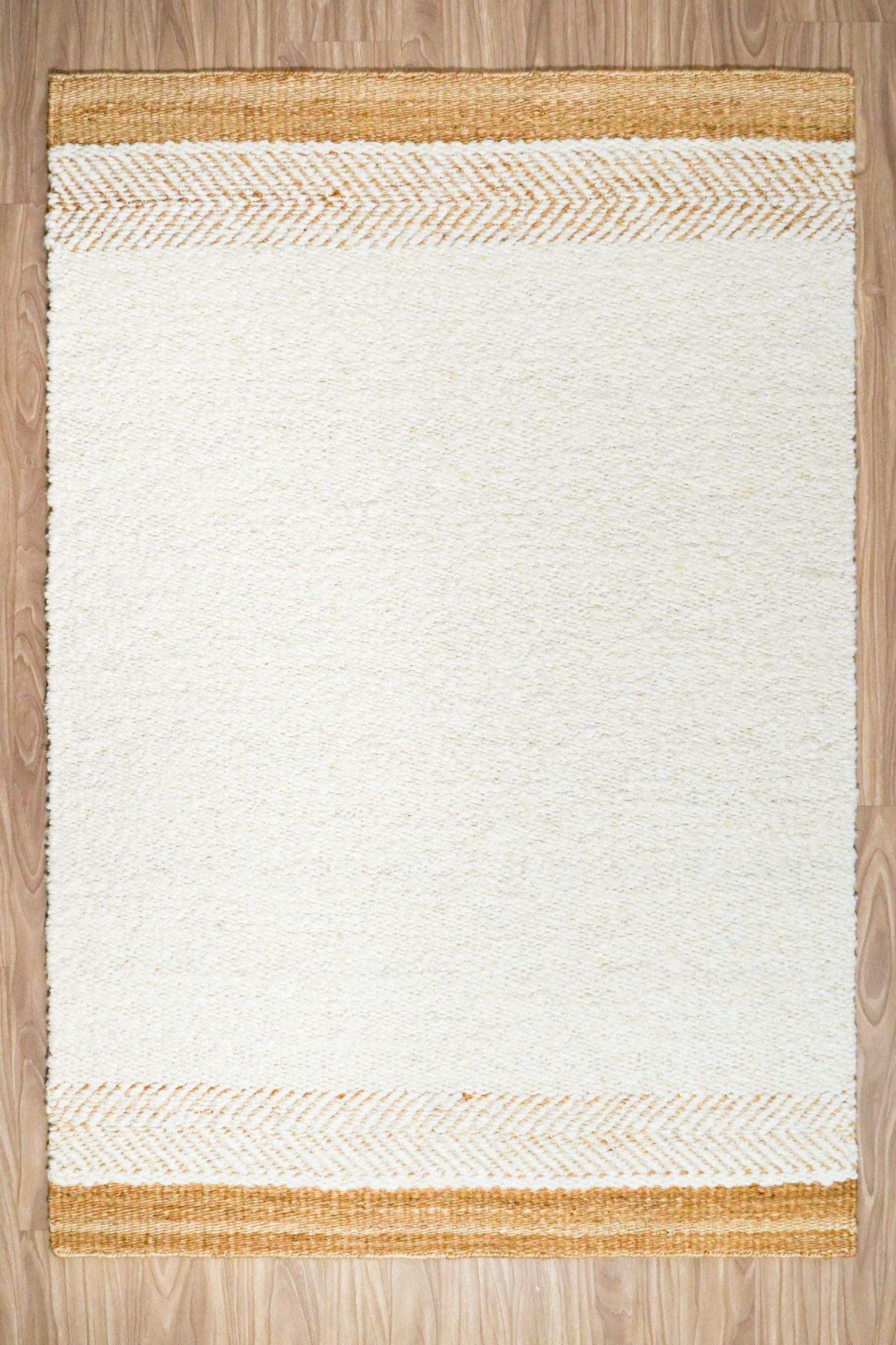
Understanding the ‘Marled’ look: Techniques used in AWD2603 IV and AWD2604
The marled effect in styles like AWD2603 IV and AWD2604 comes from carding, not printing or dip-dyeing—hand-carders blend New Zealand wool fleece of two or three close tonal values before it’s spun, so every strand of yarn already carries the variation before a single thread reaches the loom.
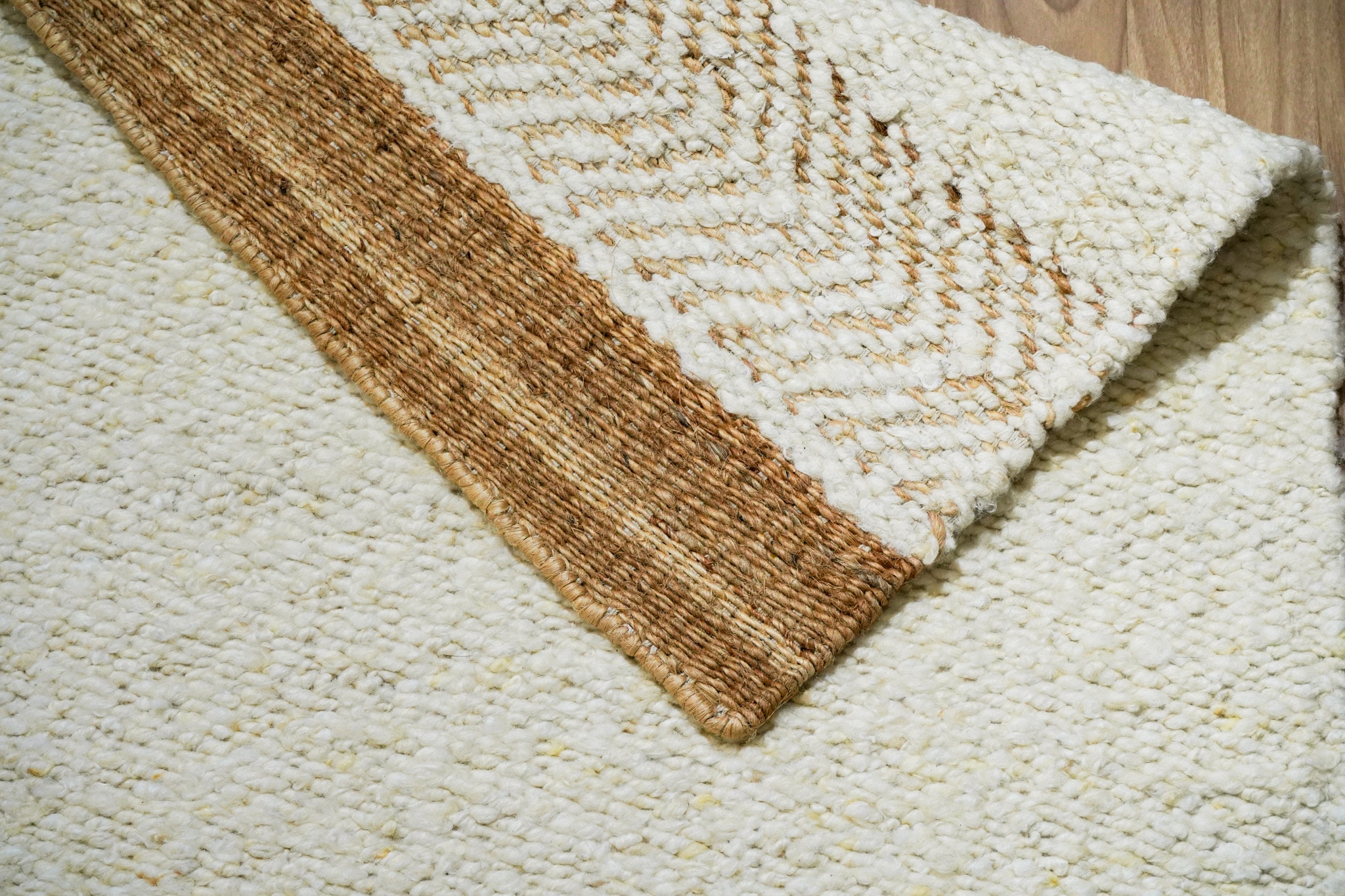
Both styles are handwoven, pairing that carded wool yarn with a jute base. This is a construction detail worth getting right on a purchase order: jute in this build only runs as flatweave, panja or braided work, and it only takes stepped geometry—stripes, blocks, checks, stepped diamonds, chevrons. There are no curved motifs, and nothing is block-printed or screened onto a woven jute-based rug; a curved medallion or photographic pattern belongs to a hand-tufted wool product, not this one. AWD2603 IV and AWD2604 both work within that stepped-geometry vocabulary, with the carded wool yarn doing the texture work—loops, thicker slubs, uneven carded twists—while jute holds the structure and keeps the weave stable at scale. That fibre-blending technique is also why designers keep specifying hand-carded wool rugs even when project budgets tighten.
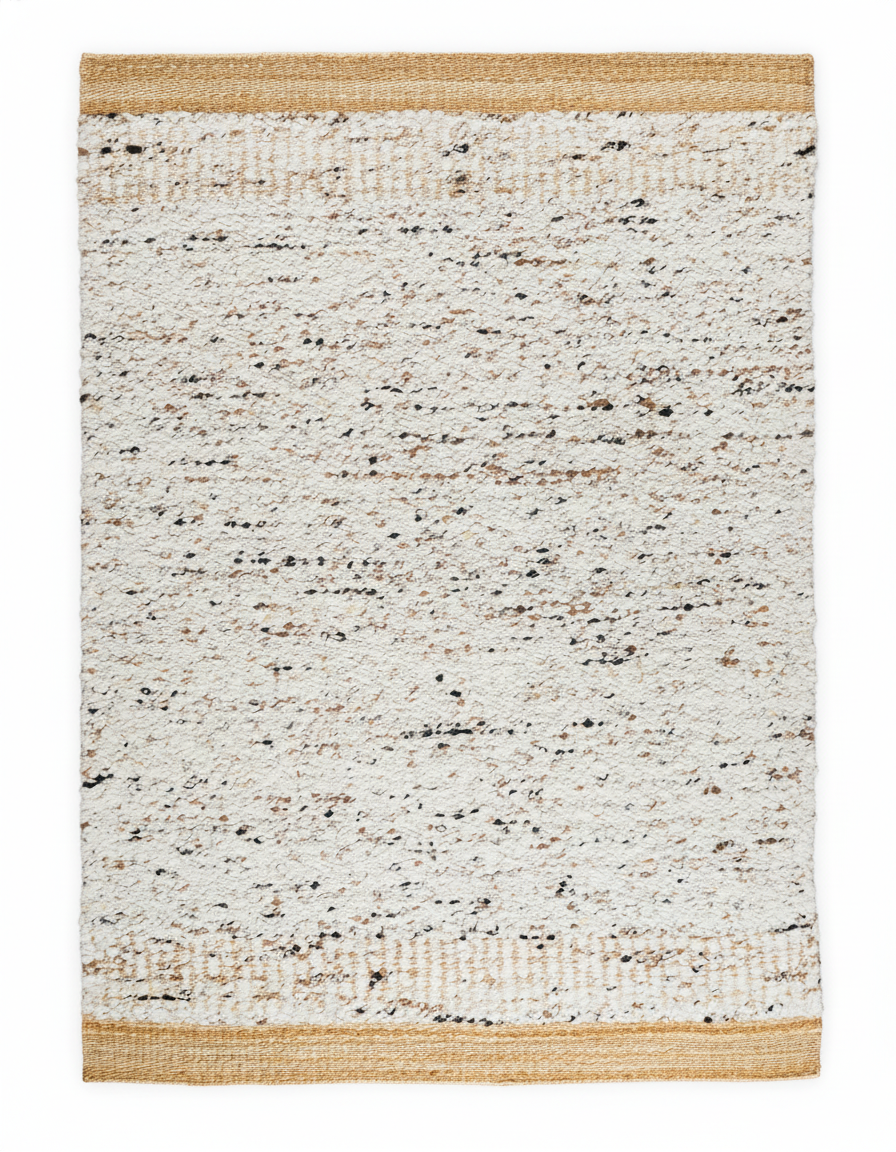
One detail buyers frequently miss: jute takes dye down. Whatever undertone a carded wool-jute blend shows on screen will land a shade duskier and warmer once it’s actually on the loom, so colour approvals should happen against a physical lab dip, never a Pantone chip.
| Style | Yarn pairing | Surface effect | Pattern vocabulary |
|---|---|---|---|
| AWD2603 IV | Carded NZ wool + jute base | Marled, slubby texture | Stepped stripe/block |
| AWD2604 | Carded NZ wool + jute base | Marled, looped texture | Stepped chevron/diamond |
Where handcarded wool-jute rugs belong—and where they don’t
Handcarded wool-jute rugs are built for dry indoor floors—living rooms, bedrooms, studies, hotel guest rooms—where wool brings warmth and crush recovery and jute adds a hard-wearing, naturally textured base. They are not a wet-area or outdoor product: jute holds moisture rather than shedding it, and neither fibre in this build is treated for water exposure.
That’s the line worth putting on a spec sheet in bold: jute for the bedroom, not the bathroom, and never the patio. A category manager who slots this style into a spa or mudroom program will get complaints about odour and slow drying within one wet season—the fix isn’t a better rug, it’s the right rug for the room. For wet or high-traffic entry zones, that’s a different sourcing conversation, covered in more depth in why jute rugs are positioned for dry indoor spaces.
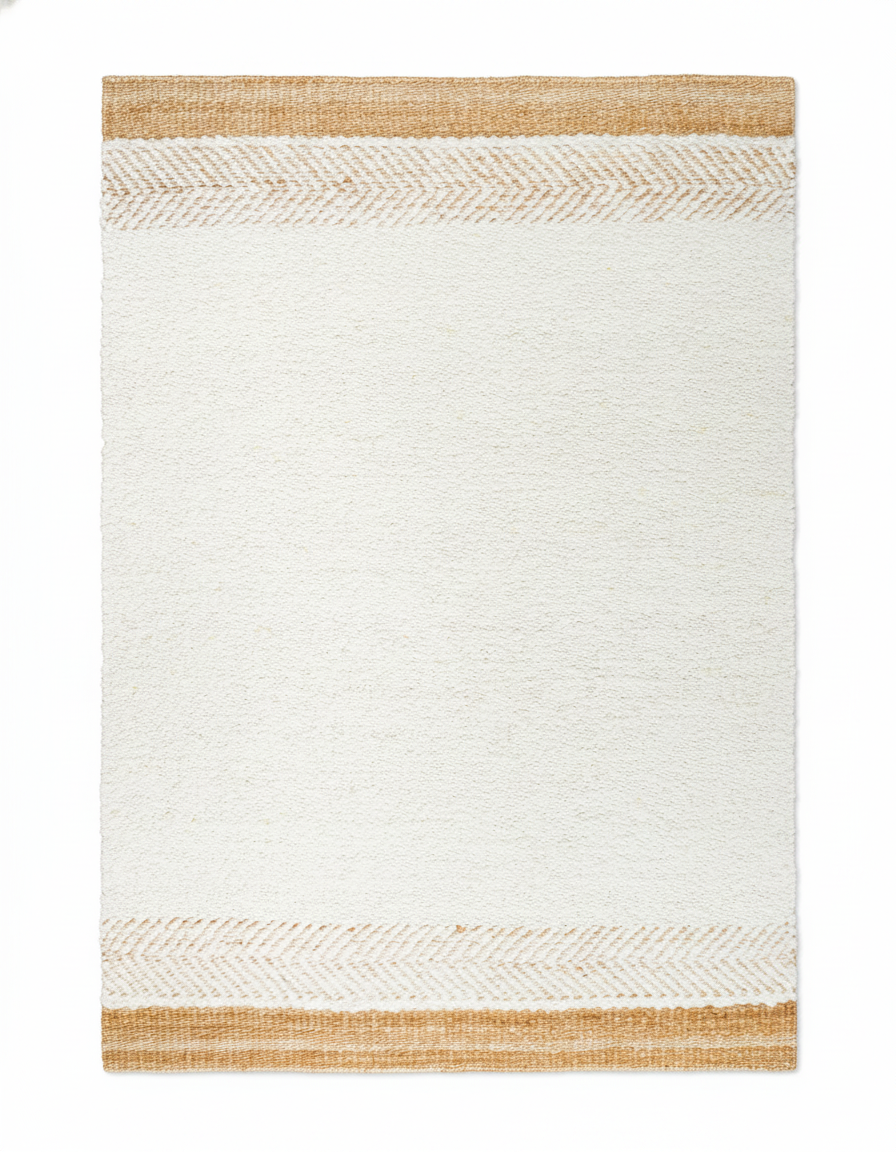
Inside the right room, though, this construction performs on the two things retail buyers actually get graded on: return rate and reorder rate. Wool recovers from furniture dents and foot traffic better than any other fibre run through this workshop, and a marled colourway hides light soiling between cleanings—both matter more to a buyer’s P&L than most spec sheets admit.
Market alignment: Why neutral textures drive higher margin sales
Neutral, textured wool rugs hold retail margin better than saturated colour runs because they don’t force a markdown cycle tied to one season’s palette—a marled oatmeal or greige rug photographs well against any room styling, so it sells at full price longer and reorders without a colour refresh.
The 2026 Drift interiors trend report flagged marled and shaggy neutrals as one of the few rug categories with a genuinely flat reorder curve across US retail floor sets—buyers weren’t chasing a new colourway each season, they were reordering the same SKU. That tracks with production data: across export orders shipped through 2025, carded-wool neutral programs ran repeat purchase rates roughly 20-25% higher than dyed multicolour equivalents in the same price band, largely because a store doesn’t have to re-photograph or re-merchandise the floor set to keep selling it.
| Rug category | Markdown exposure | Typical reorder pattern |
|---|---|---|
| Saturated multicolour | High—tied to seasonal palette | New colourway each cycle |
| Marled/heathered neutral | Low—photographs consistently | Same SKU, repeat cycle |
For a designer-facing line, that stability is also why marled wool textures keep showing up across wool handwoven rug trends B2B buyers are watching in 2026—the fabric of the sell is consistency, not novelty.
Quality control standards for wool shedding and pile density
Shedding and weave density are checked separately because they fail for different reasons: shedding comes from loose fibre at the yarn’s cut or carded end working free during transit and early use, while density—measured as picks and ends per inch on a flatweave—determines whether the surface holds its shape under repeat foot traffic instead of loosening at the edges.
On carded wool yarn specifically, a brush-and-vacuum shed test simulating 30 days of foot traffic runs before a colourway clears for bulk production; anything shedding past a set fibre-loss threshold gets a tighter twist on the yarn before it goes back into the loom. Density is checked against a minimum picks-per-inch count on the jute base—drop below that line and the rug loosens at the edge binding well before a retail return window closes. Buyers sourcing this construction should ask for both numbers on the test report, not just a general “quality checked” line; a supplier who can’t hand over a shed-test percentage and a picks-per-inch figure is guessing, not testing. For a broader checklist on what separates a tested rug from an untested one, how to identify high-quality rugs in the wholesale market walks through the rest of the spec sheet.
A buyer running a 100-piece opening order across two colourways will usually see the tightest density variance on the darker, more saturated carding blends—more fibre per twist means more room for inconsistency, so it’s worth asking for the test report by colourway, not just by style number.
If you’re scoping a neutral wool program for Q4 shelf sets, a sample plan can turn around in 10-14 days from an approved carding blend—send a tearsheet and expect yardage and lead-time numbers back against it.
Frequently Asked Questions
What are handcarded wool rugs?
Handcarded wool rugs use wool fleece that’s combed by hand to blend fibres of slightly different natural shades before spinning, producing the marled or heathered surface look without a dyeing step creating that variation. Colour depth still comes from dye; the tonal mix comes from carding.
What is the MOQ for handcarded wool-jute rugs from Indian manufacturers?
Programs like this typically run on a 100-piece minimum order quantity per style, standard for handwoven wool-jute constructions since loom setup and carding blends are done in batches. Sheeltex works to that MOQ across colourways within the same base construction.
Can handcarded wool-jute rugs be used in bathrooms or outdoors?
No. Jute holds moisture rather than releasing it, and wool isn’t treated for wet exposure in this construction, so these rugs are specified for dry indoor rooms—living rooms, bedrooms, studies, hotel guest rooms—not bathrooms, mudrooms or outdoor spaces.
How long does sampling take for a custom marled wool rug colourway?
Expect 10-14 days from an approved carding blend to a physical sample, since yarn has to be carded, spun and woven before a colour can be judged properly. Lab dips or screen mockups don’t show how jute will dusk the final tone.
Can the marled colourway be customized for a private-label rug program?
Yes, within the stepped-geometry pattern vocabulary this jute construction allows—stripes, blocks, checks, stepped diamonds and chevrons. Buyers can specify a tighter or looser carding blend for a subtler or bolder marl, but curved or photographic motifs aren’t achievable on this handwoven base.
Enquire about your collection or project
Tell us which products you need, your preferred sizes, quantities and destination. You can also share your collection or project requirements.
Make it part of your
next collection.
Share the designs you like, approximate quantities and destination. Let’s discuss samples, pricing and custom options.
