
Recycled Cotton Cushions & Throws for Retail Buyers
Last updated: August 2026
Recycled cotton cushions and throws give retailers a sustainability claim they can print on a swing tag and back up with data: diverted textile waste, lower water use, and a handwoven, washable handle buyers already trust from cotton. For a category manager building a 2026 eco-decor set, that combination of story and comfort is what actually closes the order.
The ‘Cross Check’ weave pattern and its visual appeal
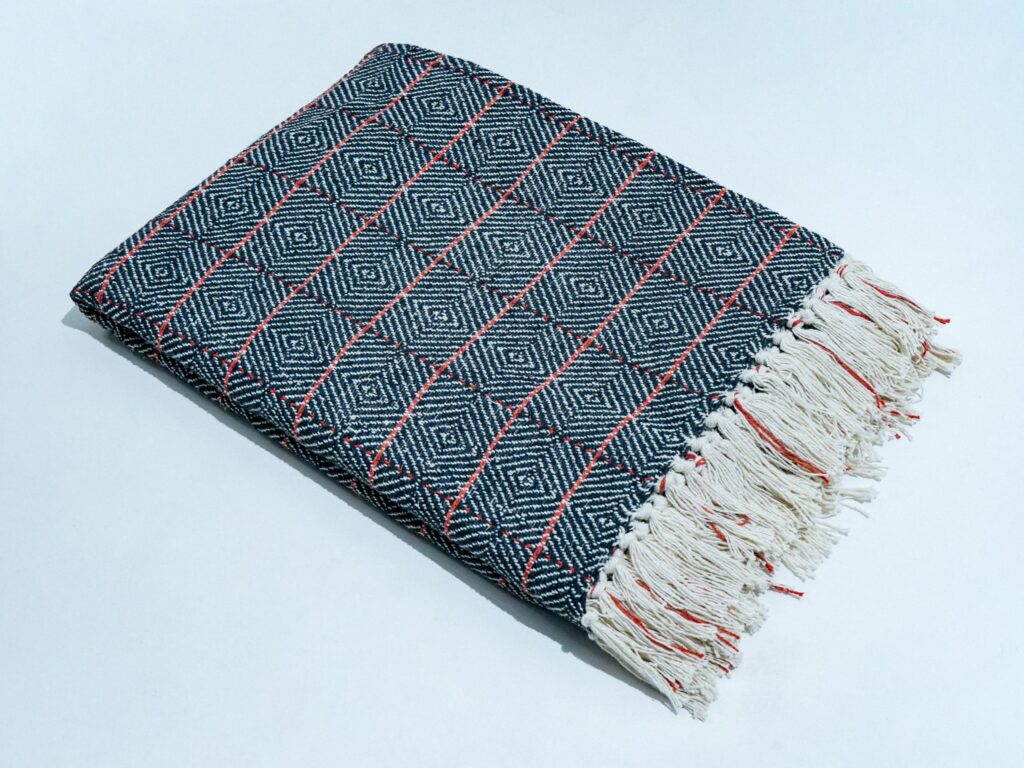
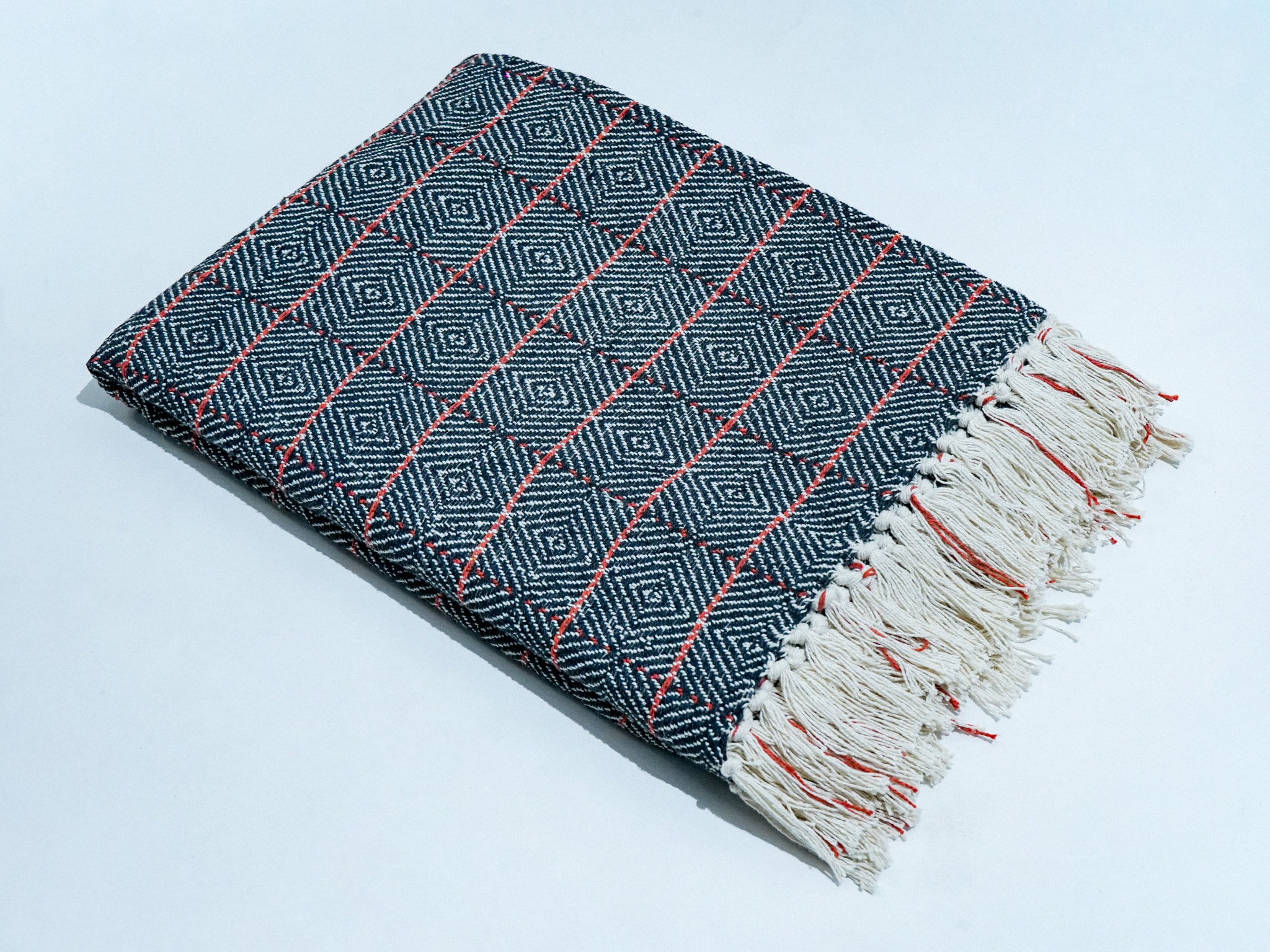
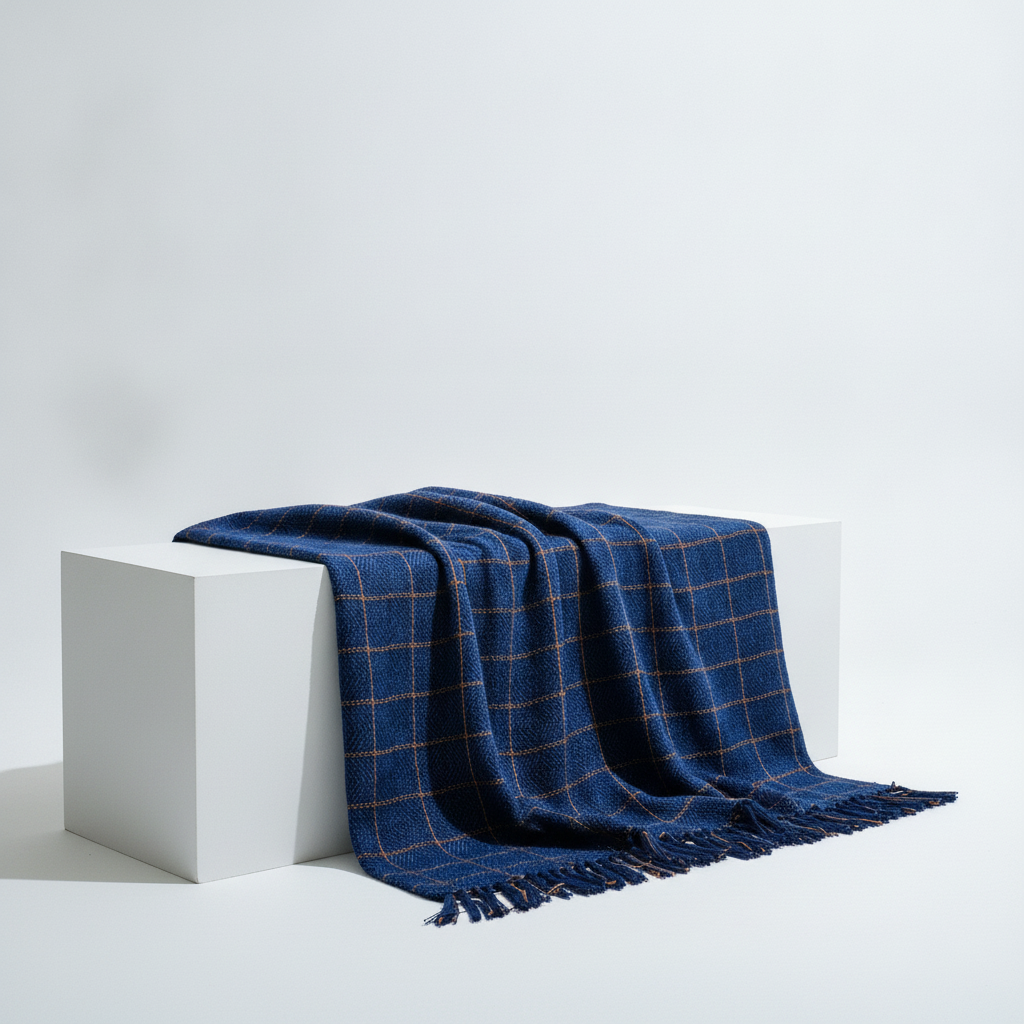
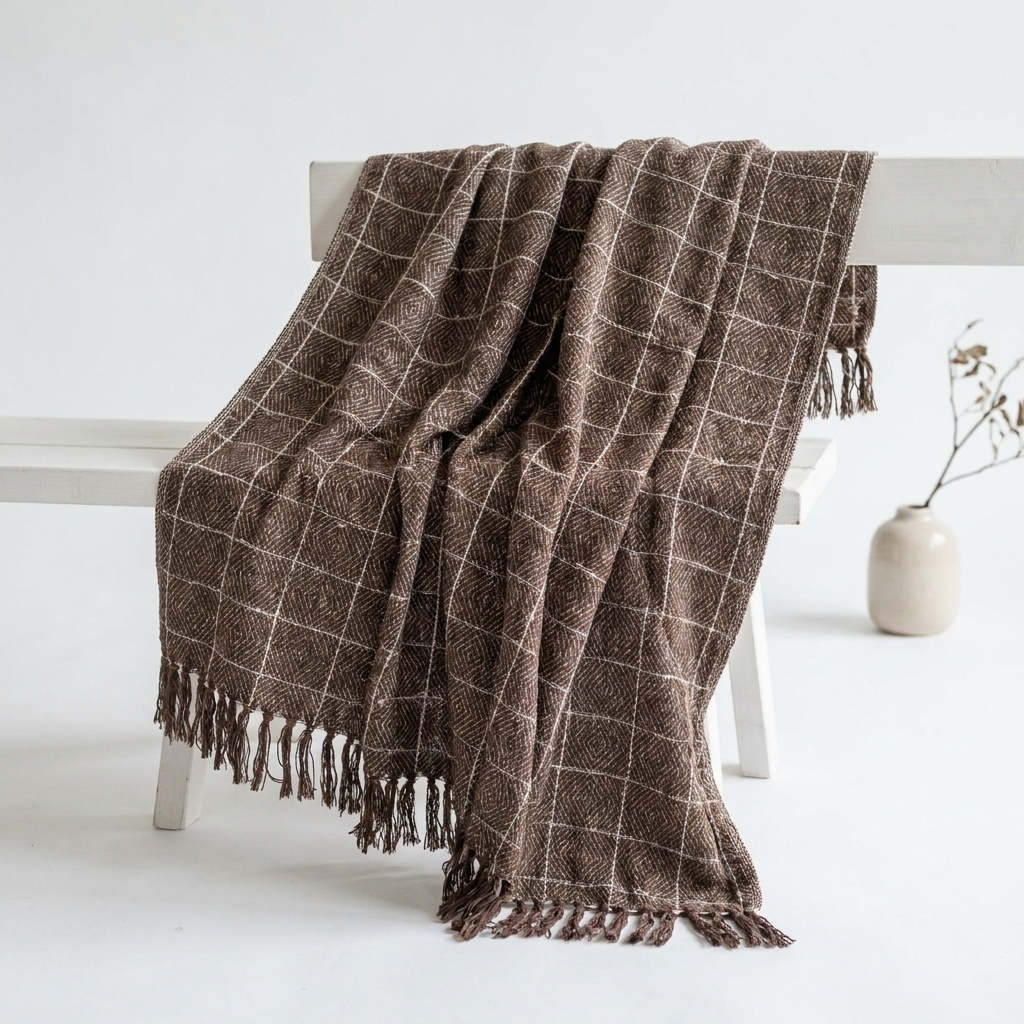
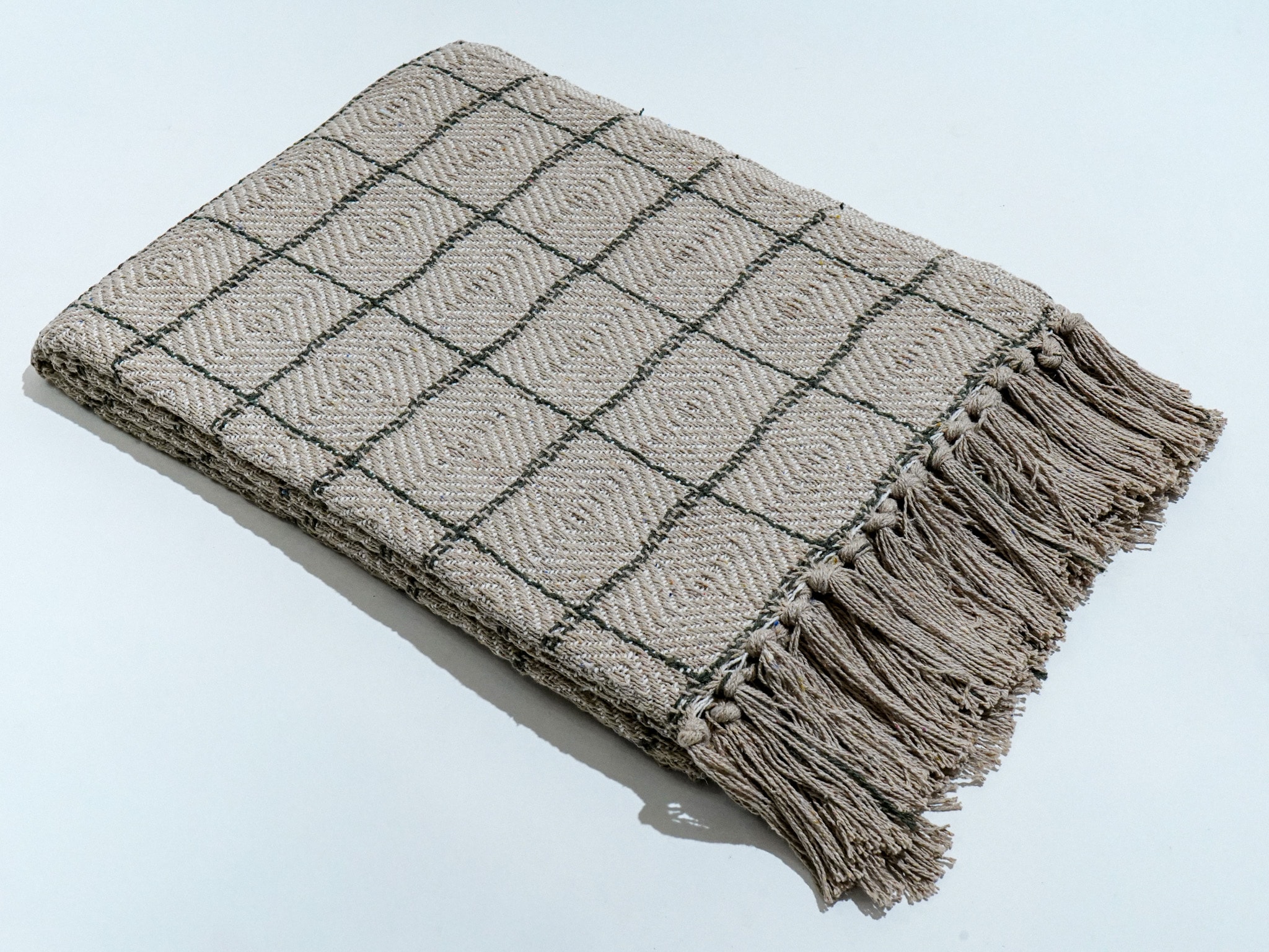
The Cross Check weave is a handwoven flatweave grid built from two-tone recycled cotton yarns crossed at right angles, producing a tailored plaid-like texture rather than a rustic, uneven look. Because recycled cotton yarn carries natural tonal variation from the mixed rag stock it’s spun from, the grid reads as a heathered, lived-in colour rather than a flat dye lot — which is exactly the texture eco-conscious buyers are learning to ask for by name.
The range currently runs in five colourways — black (STCT-139 E), grey (STCT-139 GY), blue (STCT-139 D), brown (STCT-139 C) and beige (STCT-139 B) — all on the same handwoven ground, so a retailer can build a full assortment wall without re-approving construction each time, only the yarn dye lot. That matters at the merchandising stage: a buyer ordering four colourways across 300 units wants one quality sign-off, not four.
What recycled cotton cushions and throws are for — and where they don’t belong
Recycled cotton soft furnishings are built for washable, soft-handle use — sofa cushions, bed throws, everyday accent pieces in living rooms and bedrooms — not for anything exposed to weather or standing water. The handwoven flatweave construction (as used in the CC-2635 GY cushion, sample size 45 x 45 cm) gives it drape and hand-feel, not water resistance or UV stability.
That’s the sentence worth putting on the spec sheet: cotton for the sofa, jute or PET for the patio, and never the other way round. An untreated recycled cotton cushion left on an outdoor terrace will wick moisture, mildew, and fade within a season — a returns problem, not a manufacturing defect. Inside the home or a hotel guest room, though, it holds up to regular laundering and daily handling in a way printed or embellished cushions often can’t. For buyers weighing texture against durability across a wider assortment, the role texture plays in cushions, rugs and throws is worth reading alongside this before finalising a spec.
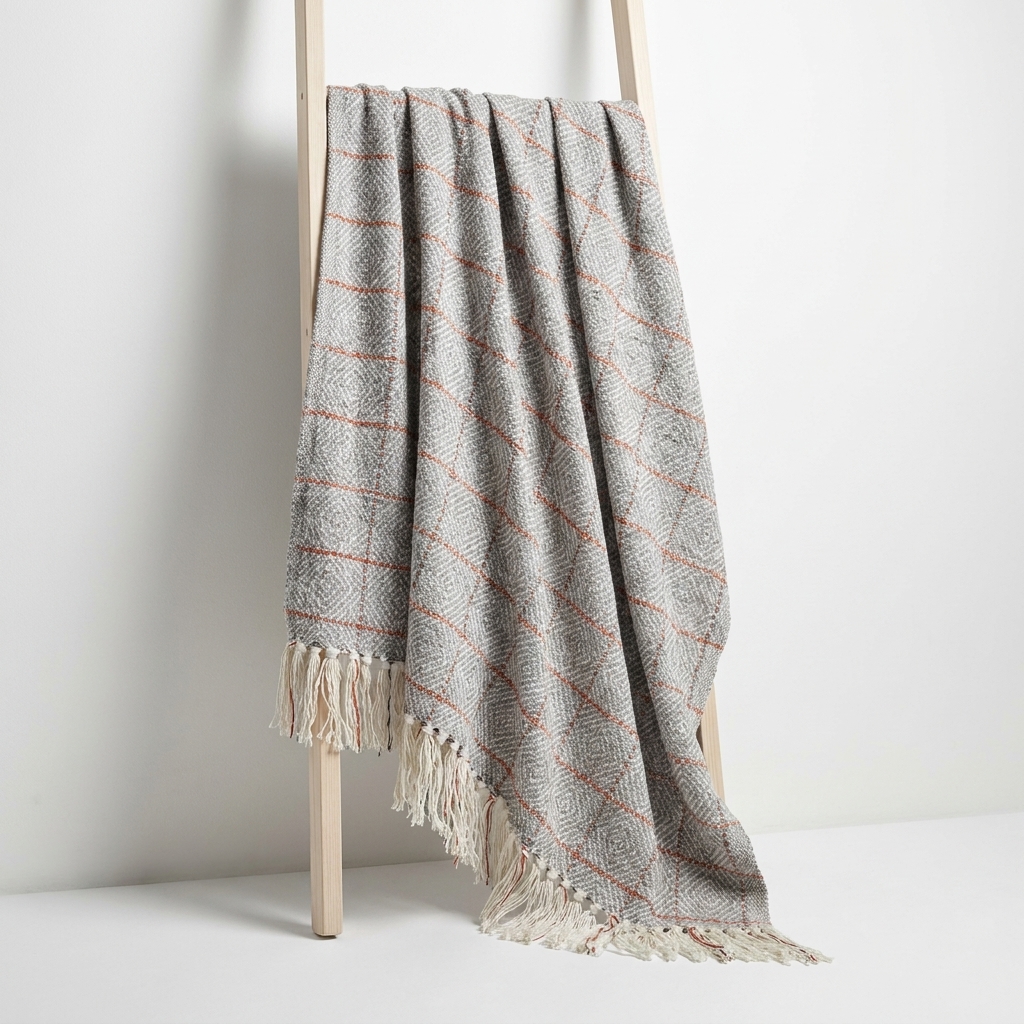
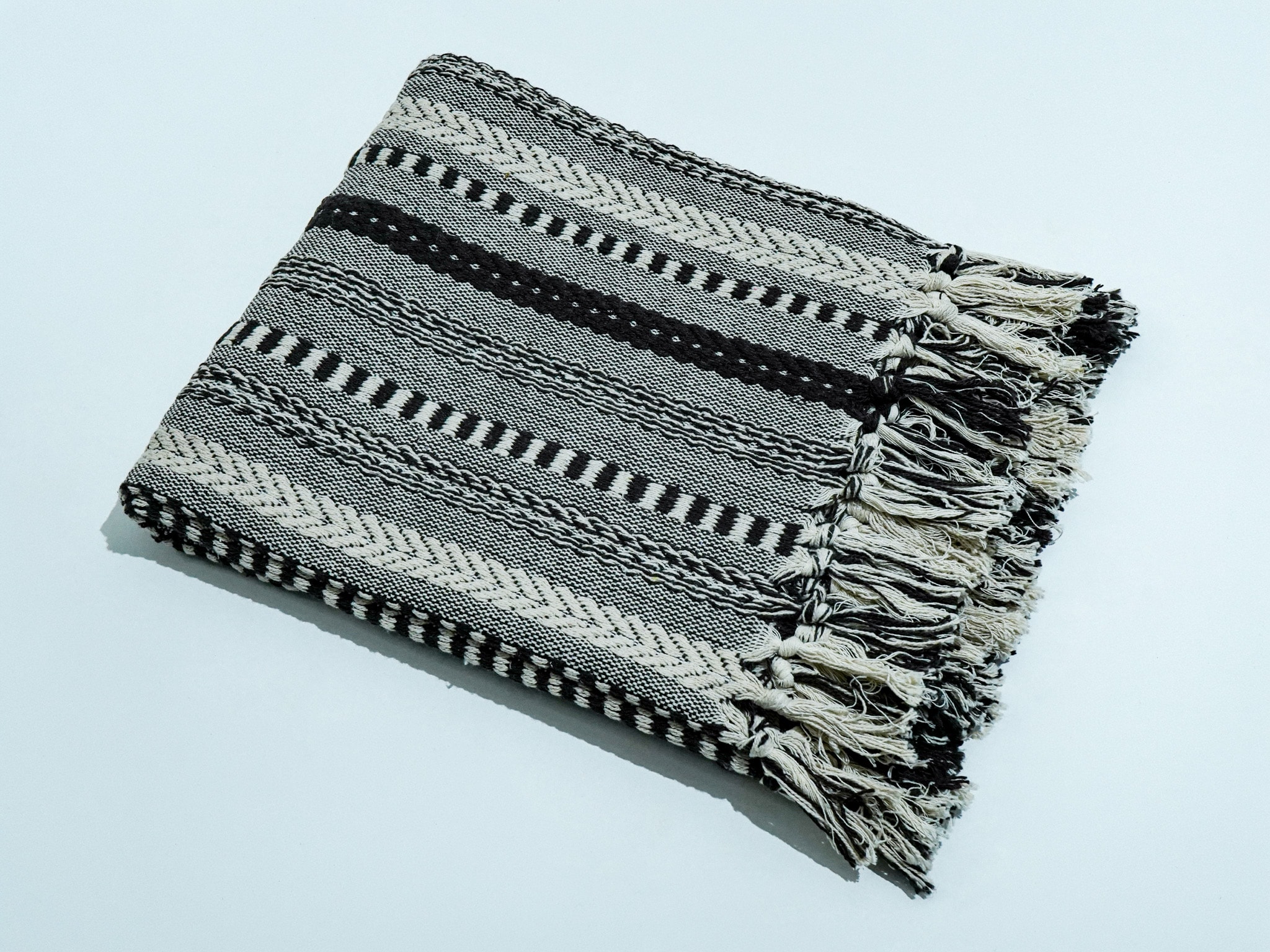
The Rehan throw, shown here in a different handwoven texture, illustrates the range’s flexibility — same recycled-cotton base fibre, different surface interest for buyers who want variety within one sustainability story rather than one silhouette repeated in five colours.
Environmental impact of using recycled cotton in STCT-139 and CC-2635
Recycled cotton reduces water and dye load compared with virgin cotton because the fibre is reclaimed from cutting waste and end-of-life rags rather than grown, ginned and dyed from scratch — but the actual impact depends on blend ratio, and buyers should ask suppliers for that number in writing rather than accepting a blanket “eco-friendly” claim.
Industry estimates from Textile Exchange (2024) put water savings from recycled cotton fibre at up to 70% compared with an equivalent weight of virgin cotton grown specifically for yarn — a figure worth quoting on a supplier scorecard, not a swing tag, since it varies by source region and blend.
In our 2025 export runs, the CC-2635 cushion range sourced cotton rag from post-industrial cutting waste within a short radius of our weaving units in northern India, which shortens the chain-of-custody paperwork buyers need for retail sustainability audits. Across 2026 production, STCT-139 throws run on a blended warp — reclaimed rag combined with a portion of virgin cotton for tensile strength — and that blend ratio is exactly the line item a buyer should request in writing before approving a bulk order. A cushion cover claiming “100% recycled” with no blend statement is the mistake that gets flagged in a European retailer’s compliance audit six months after the container lands.
| Attribute | CC-2635 GY (Cushion) | STCT-139 (Cross Check Throw) |
|---|---|---|
| Composition | Recycled cotton | Recycled cotton (blended warp) |
| Construction | Handwoven | Handwoven |
| Sample size | 45 x 45 cm | Throw format |
| MOQ | 200 pcs | Per colourway, confirm at quote |
| Colourways available | Grey | Black, grey, blue, brown, beige |
| Best use | Sofa, bed accent | Sofa throw, bed foot-runner |
| Not suited for | Outdoor, wet areas | Outdoor, wet areas |
Marketing sustainability stories to end consumers
A sustainability claim only sells at retail when it’s specific — a recycled-content percentage, a water-saved figure, or a named weave — rather than a generic “eco-friendly” sticker that a shopper has learned to distrust. Retailers moving recycled cotton cushions and throws in 2026 are finding that swing tags naming the construction (“handwoven, recycled cotton, Cross Check weave”) outsell tags with only a leaf icon and no detail.
The most effective in-store messaging pairs one hard number with one care instruction: how much virgin cotton and water the piece displaced, and how to wash it. That second part matters more than buyers assume — a recycled cotton cushion that pills or fades after three washes undoes the sustainability pitch entirely, so cycle-testing before the order ships is worth confirming with any supplier. Buyers building a full soft-furnishings assortment around this story often pair cushions with throws styled as everyday decor or reference general merchandising guidance on styling cushions for retail display when briefing visual merchandising teams.
For a broader view of how recycled fibres are reshaping assortments beyond cushions, our post on sustainable home accessories and the economics covered in recycled cotton rugs to import in 2025 both cover adjacent sourcing decisions retail buyers ask about in the same RFP cycle.
If you’re scoping a recycled cotton cushion or throw program for Q4 2026, send over your target colourways and volumes and we can turn around a sample plan within 10-14 days — enough time to get the blend ratio and wash data in writing before you commit to a container.
FAQ
What is the MOQ for recycled cotton cushions and throws? The CC-2635 GY cushion has a minimum order quantity of 200 pieces per colourway. Cross Check throws are typically quoted per colourway at confirmation — ask your supplier for the per-SKU minimum before finalising an assortment plan across multiple colours.
How long does sampling take for a custom recycled cotton cushion order? Handwoven recycled cotton samples typically take 10-14 days from approved artwork or colour reference, since the rag-based yarn needs to be sorted and spun to the requested tone before weaving starts. Faster quotes usually skip that colour-matching step.
Are recycled cotton products actually sustainable, or is it greenwashing? Recycled cotton genuinely reduces water use and diverts textile waste compared with virgin cotton, but the impact depends on blend ratio. Ask for the recycled-content percentage in writing — a vague “eco-friendly” claim without a number is the sign of a weak sustainability story.
Can recycled cotton cushions or throws be used outdoors? No. Untreated recycled cotton, including the handwoven Cross Check and CC-2635 ranges, is built for indoor, washable use. It has no weather or UV treatment, so it will mildew and fade if used outdoors — keep it to sofas, beds and indoor accent spaces.
What customization options exist for the Cross Check throw range? Buyers can request custom colourways within the existing yarn palette, adjusted throw dimensions, and blend-ratio documentation for compliance purposes. Because the base construction is a handwoven flatweave, pattern changes take longer than colour changes — factor that into your sampling timeline.
Frequently Asked Questions
What is the MOQ for recycled cotton cushions and throws?
The CC-2635 GY cushion has a minimum order quantity of 200 pieces per colourway. Cross Check throws are typically quoted per colourway at confirmation — ask your supplier for the per-SKU minimum before finalising an assortment plan across multiple colours.
How long does sampling take for a custom recycled cotton cushion order?
Handwoven recycled cotton samples typically take 10-14 days from approved artwork or colour reference, since the rag-based yarn needs to be sorted and spun to the requested tone before weaving starts. Faster quotes usually skip that colour-matching step.
Are recycled cotton products actually sustainable, or is it greenwashing?
Recycled cotton genuinely reduces water use and diverts textile waste compared with virgin cotton, but the impact depends on blend ratio. Ask for the recycled-content percentage in writing — a vague eco-friendly claim without a number is the sign of a weak sustainability story.
Can recycled cotton cushions or throws be used outdoors?
No. Untreated recycled cotton, including the handwoven Cross Check and CC-2635 ranges, is built for indoor, washable use. It has no weather or UV treatment, so it will mildew and fade if used outdoors — keep it to sofas, beds and indoor accent spaces.
What customization options exist for the Cross Check throw range?
Buyers can request custom colourways within the existing yarn palette, adjusted throw dimensions, and blend-ratio documentation for compliance purposes. Because the base construction is a handwoven flatweave, pattern changes take longer than colour changes — factor that into your sampling timeline.
Enquire about your collection or project
Tell us which products you need, your preferred sizes, quantities and destination. You can also share your collection or project requirements.
Make it part of your
next collection.
Share the designs you like, approximate quantities and destination. Let’s discuss samples, pricing and custom options.
