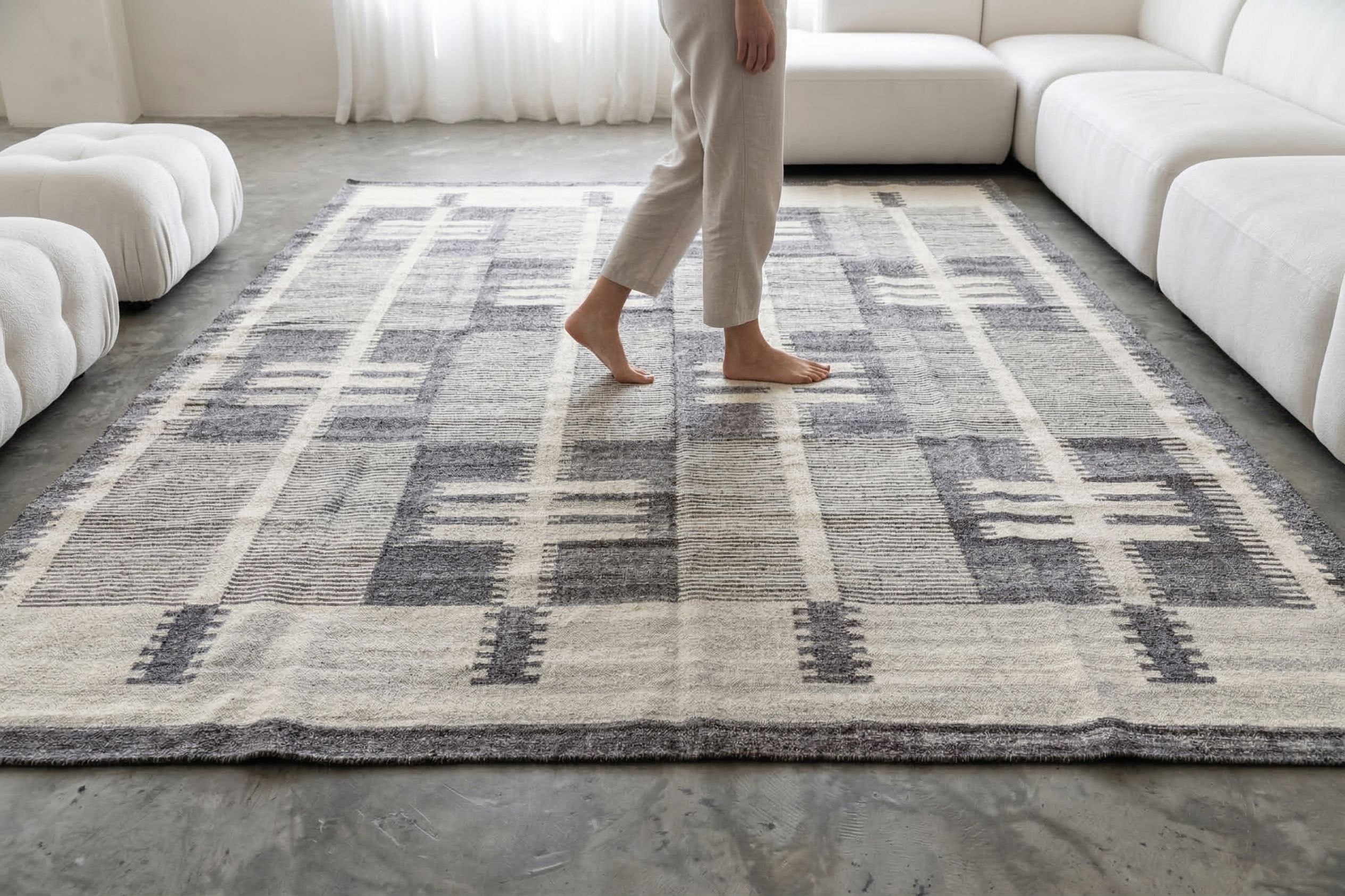

Top Handwoven Textured Rugs to Watch for in 2026
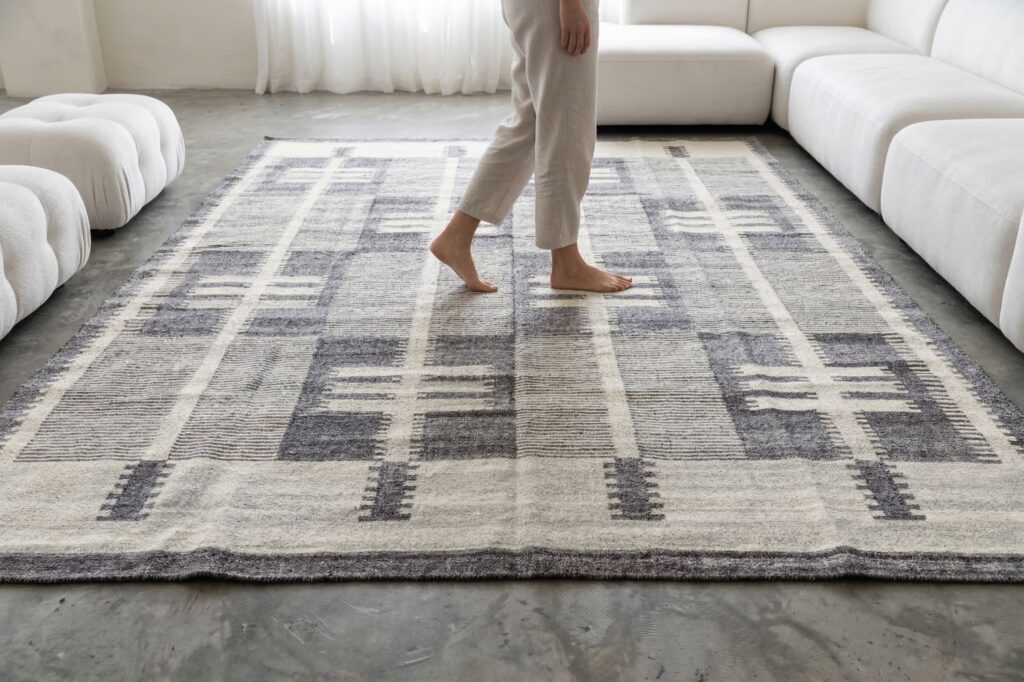
Textured rugs are taking center stage in interior design as more buyers look for pieces that offer both visual appeal and tactile comfort. Handwoven textured rugs combine artisan craftsmanship with natural materials, making them ideal for hospitality spaces, retail showrooms, and modern homes. This guide highlights the top styles, materials, and trends to watch in 2026.
Key Takeaways
- Texture-first design is driving demand for handwoven rugs with layered, tactile surfaces.
- Natural fibers like wool, jute, and bamboo silk are leading the sustainable rug market.
- High-low pile and chunky loop textures create depth and work well in both residential and commercial projects.
- Neutral and earth tones remain popular for their versatility and timeless appeal.
- Custom sizing and design options are becoming more accessible for B2B buyers sourcing from India.
Why Textured Rugs Are Trending in 2026
Interior design is shifting toward tactile, layered spaces that engage the senses. Textured rugs add warmth and dimension without relying on bold patterns or colors. This makes them a flexible choice for designers and buyers who want pieces that complement a range of styles—from minimalist to bohemian.
The hospitality industry is also driving this trend. Hotels and restaurants prefer handwoven rugs with texture because they hide wear, add comfort underfoot, and create inviting atmospheres in lobbies, guest rooms, and dining areas. For retailers and interior designers, offering textured options helps meet growing client demand for unique, artisan-made products.
Top Materials for Handwoven Textured Rugs
Choosing the right material is essential for durability, maintenance, and aesthetic impact. Here are the most popular natural fibers for textured rugs in 2026:
Wool Rugs
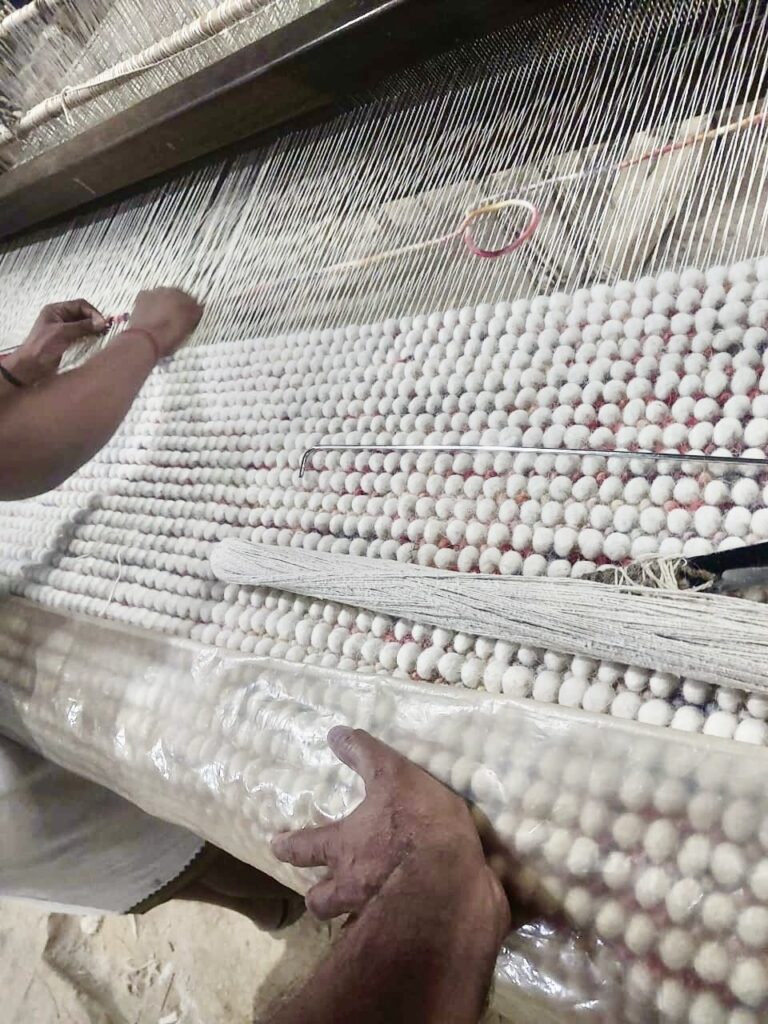
Wool is soft, resilient, and naturally stain-resistant, making it a top choice for luxury interiors. It holds texture well and works beautifully in high-traffic areas like hotel lobbies and living rooms. Wool rugs also offer excellent insulation and sound absorption. If you’re sourcing wool handwoven rug trends, look for tightly woven or hand-knotted styles that highlight texture.
Jute Rugs
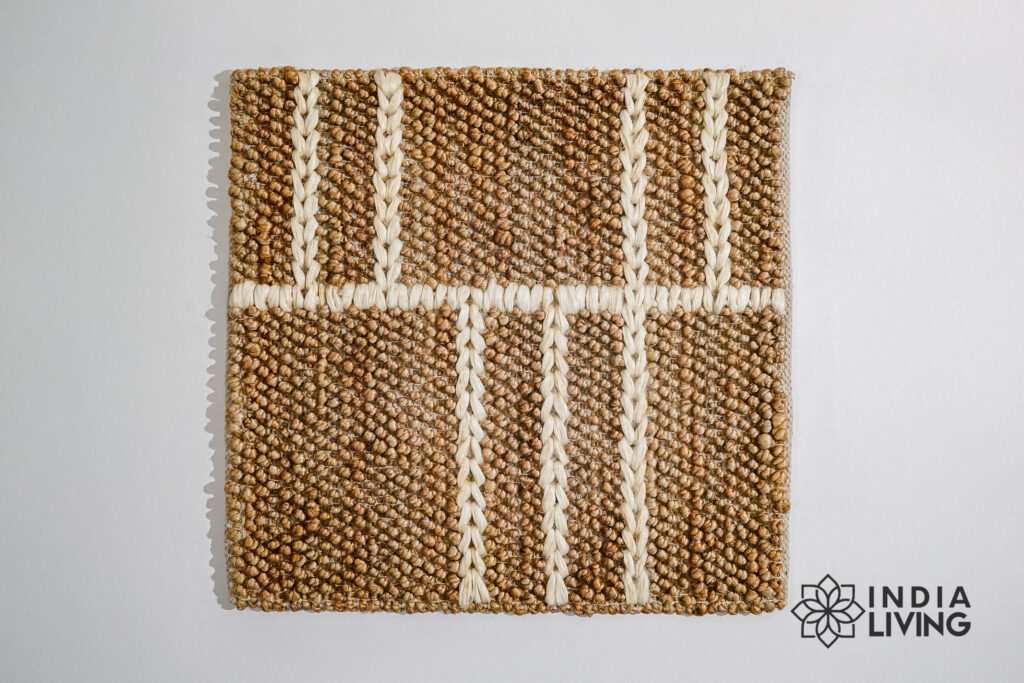
Jute is an eco-friendly, affordable option with a casual, organic texture. It’s lightweight and works well in modern minimalist or coastal-themed spaces. Jute rugs are best suited for low to medium-traffic areas. They pair well with other natural materials and bring an earthy, relaxed feel to interiors.
Cotton Rugs
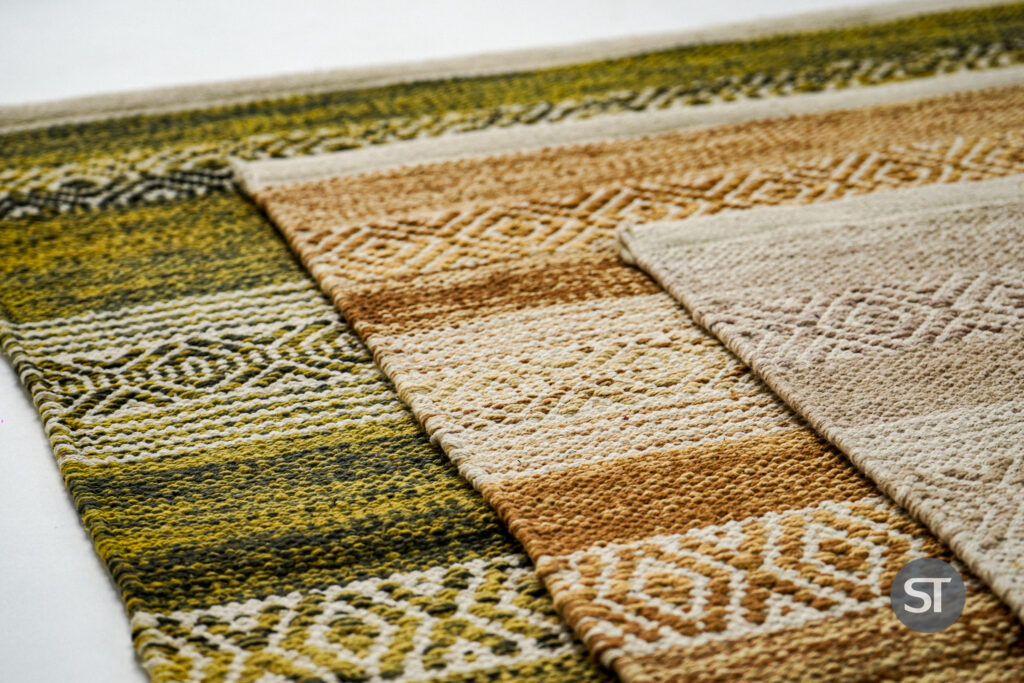
Cotton is easy to clean, versatile, and often more budget-friendly than wool. It’s ideal for transitional and modern interiors where softness and washability matter. Cotton rugs can be flat-woven or crafted with raised details to add texture without excessive weight.
Bamboo Silk Rugs
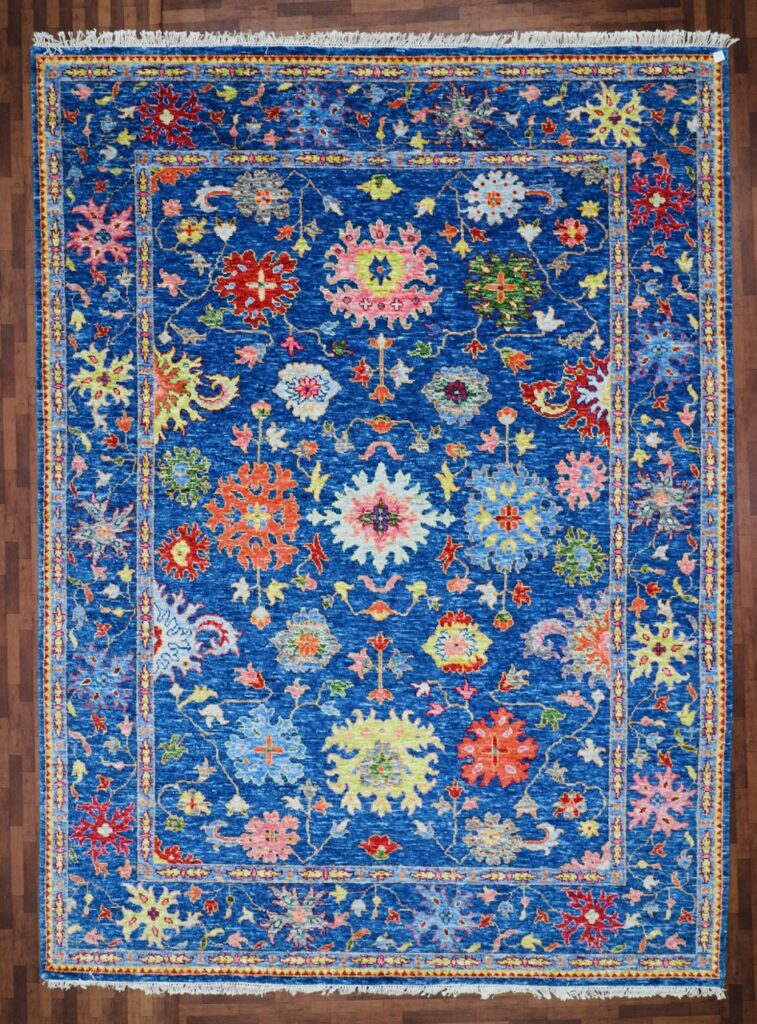
Bamboo silk adds a subtle sheen and luxurious softness to handwoven rugs. It’s a premium option often used in boutique hotels and high-end residential projects. While less durable than wool, bamboo silk creates stunning visual effects when combined with textured weaving techniques.
Blended Materials
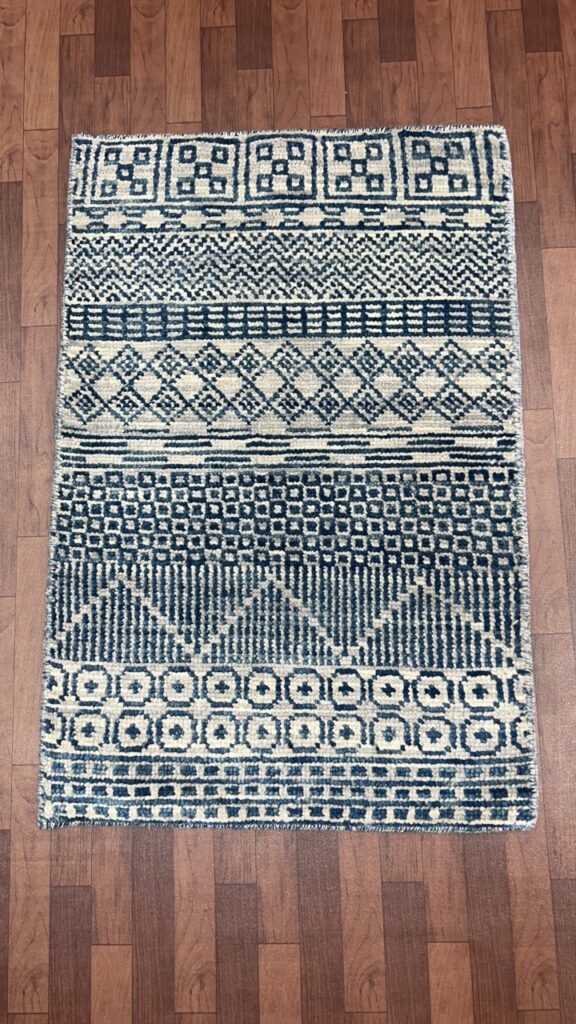
Blends like wool-jute or wool-silk combine the best of both worlds—durability and aesthetic appeal. These rugs offer varied textures and tones within a single piece, making them versatile and visually interesting.
Key Texture Styles to Watch in 2026
Texture is no longer just a background element—it’s the focal point. Here are the top texture styles gaining traction this year:
1. High-Low Pile
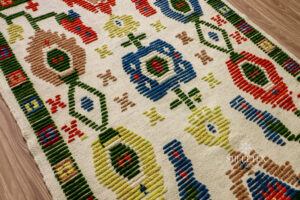
High-low pile rugs feature varying yarn heights that create shadow, depth, and movement. This style is popular in contemporary design and works well in both neutral and earth-toned palettes. It’s subtle yet impactful, making it a favorite for modern living rooms and hotel suites.
2. Chunky Loop and Braided Textures
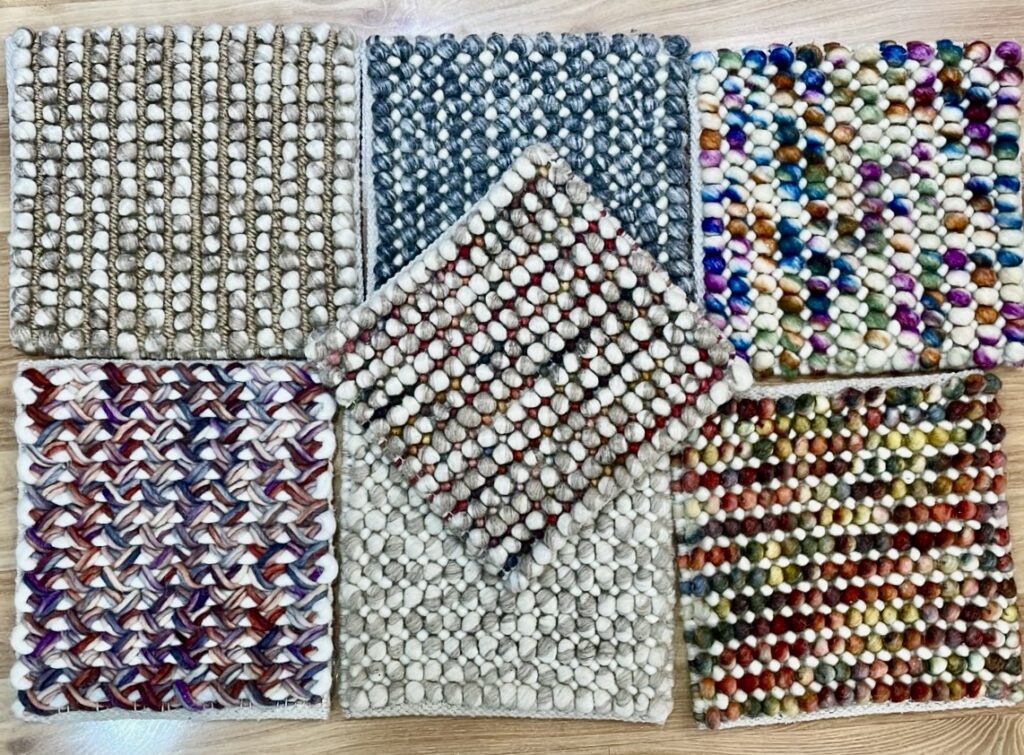
Chunky loops and braided patterns bring a bohemian, handcrafted feel to interiors. These textures are bold and cozy, perfect for casual spaces like cafes, boutique retail stores, or relaxed residential settings. They pair well with natural wood and linen furnishings.
3. Flat-Weave with Raised Details
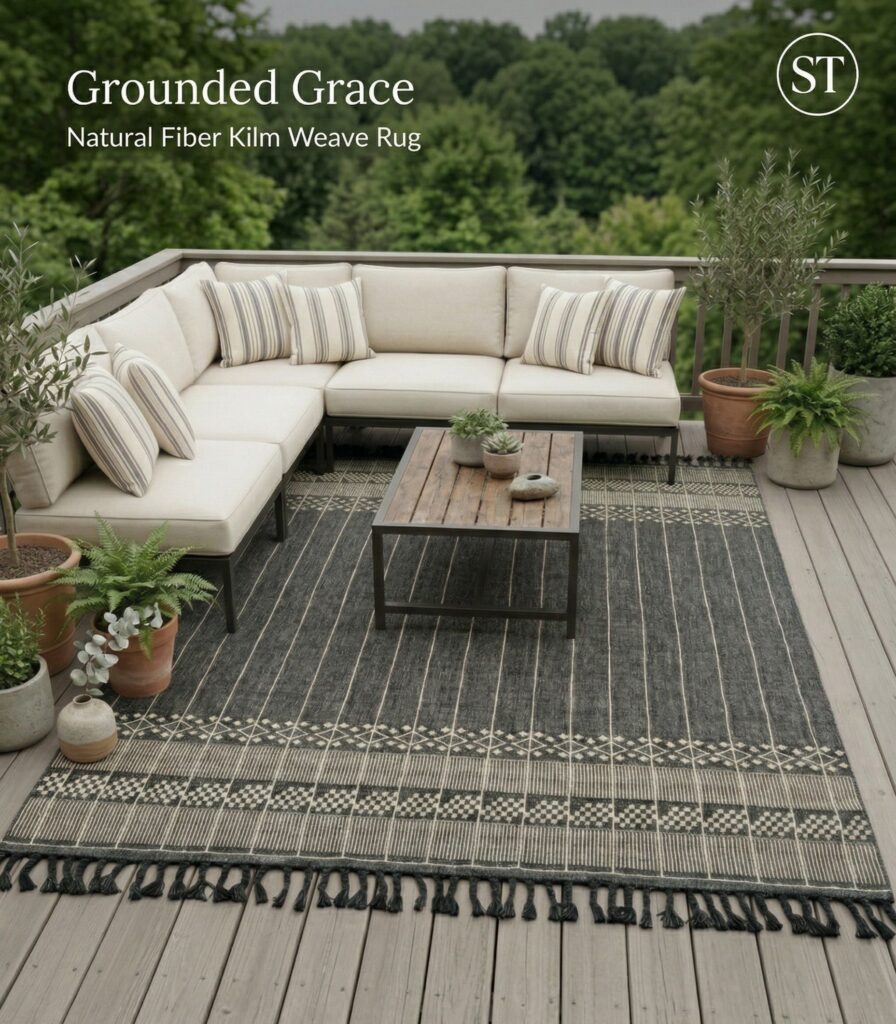
Flat-weave rugs with raised geometric or organic details offer a modern minimalist aesthetic. They’re lightweight, easy to layer, and work well in open-plan spaces. This style is popular among designers who want texture without excessive bulk.
4. Hand-Knotted 3D Effects
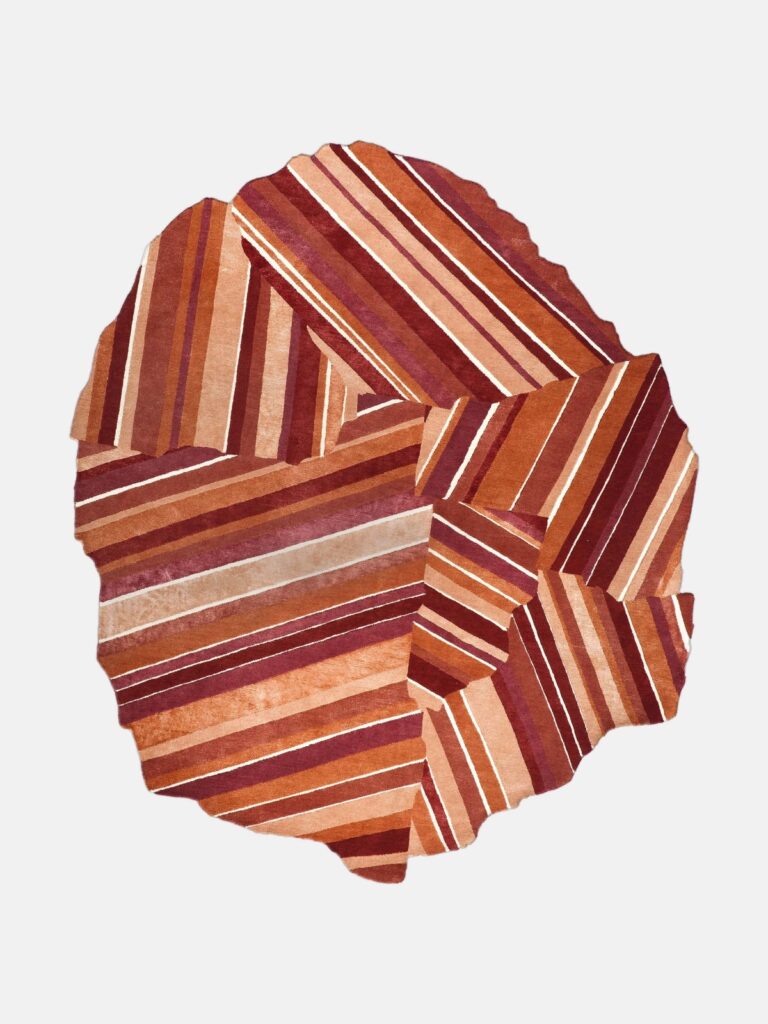
Hand-knotted rugs with three-dimensional textures are statement pieces for luxury interiors. These rugs take longer to produce but offer unmatched craftsmanship and visual drama. They’re ideal for feature areas like entryways, master bedrooms, or executive lounges.
Color and Design Trends
When it comes to color, buyers are leaning toward simplicity and versatility. Textured rugs often let the material and weave do the talking, rather than relying on bright hues or busy patterns.
Neutral Tones
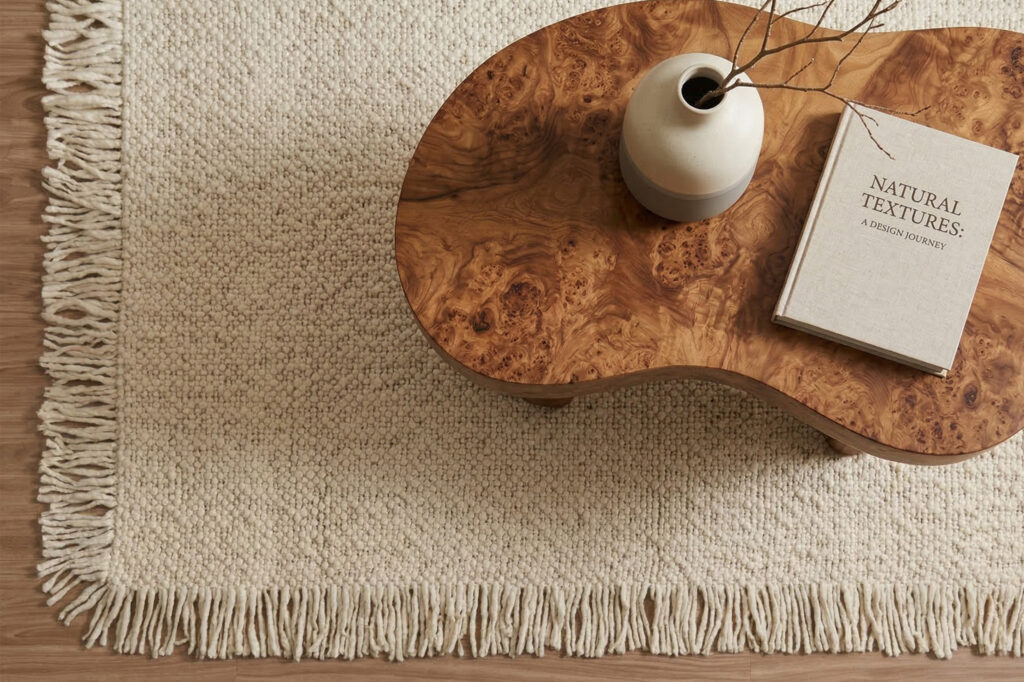
Beige, cream, grey, and charcoal remain timeless choices that suit a wide range of interiors. Neutral textured rugs are easy to style and adapt to changing design trends, making them smart investments for hospitality and retail buyers.
Earth Tones
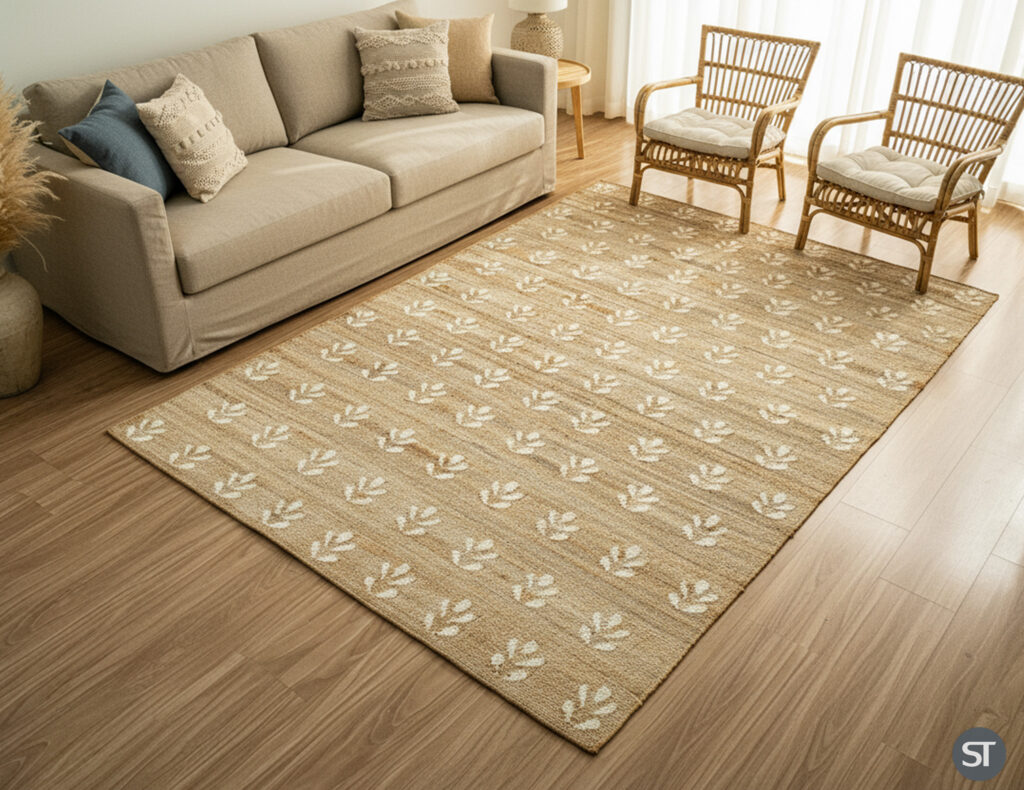
Terracotta, ochre, sage, and warm browns align with biophilic design principles, which emphasize natural elements and wellness. These colors bring warmth and grounding energy to spaces, perfect for boutique hotels and wellness-focused interiors.
Monochrome Texture
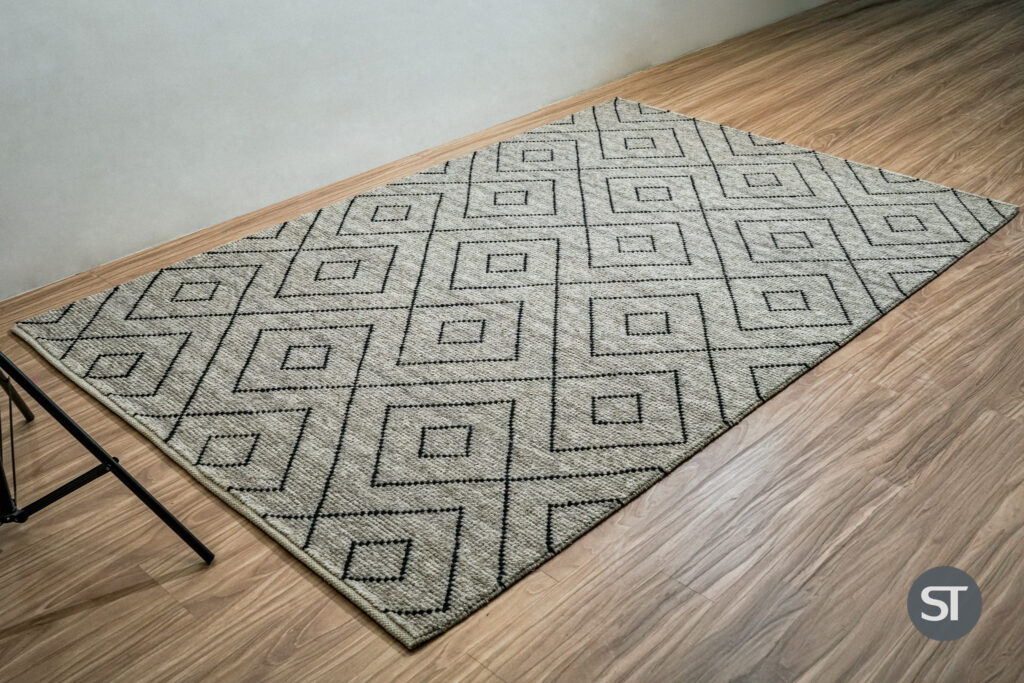
Rugs in a single color family—where texture, not pattern, is the star—are gaining popularity. This approach creates visual interest through touch and light rather than color contrast.
Subtle Geometric or Organic Patterns
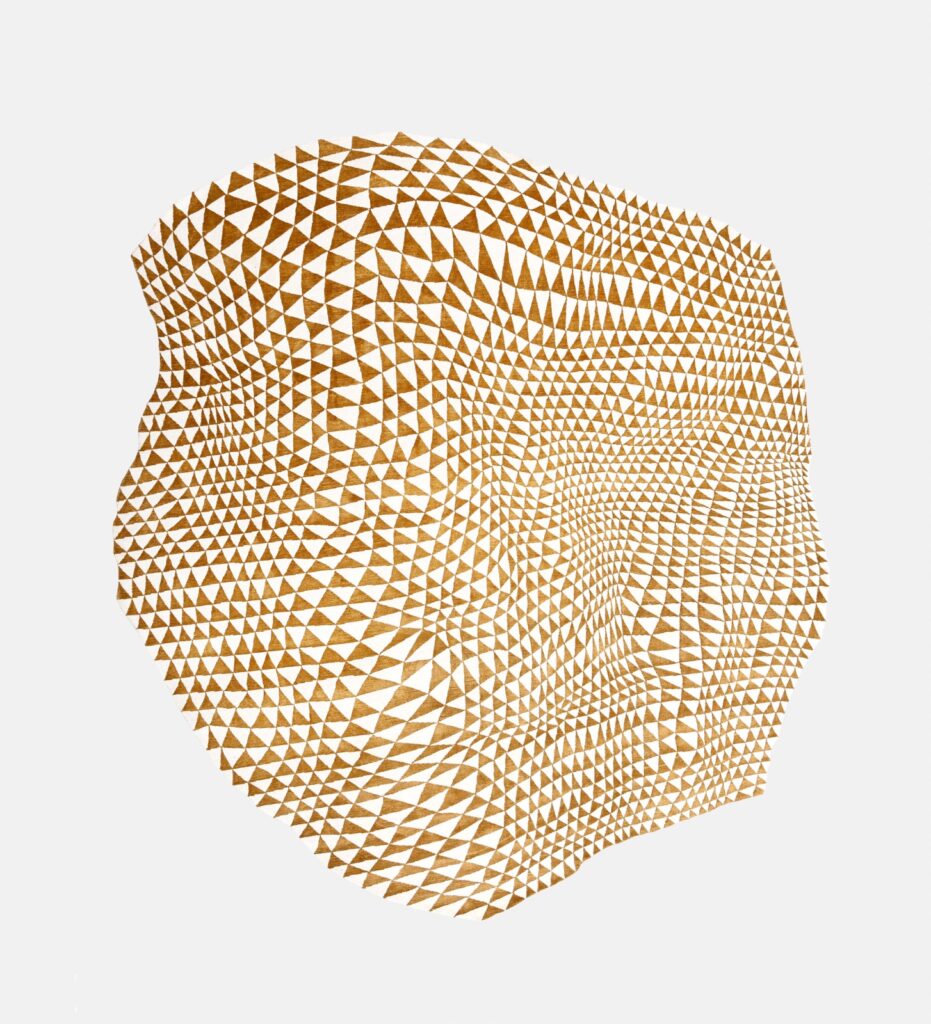
Some textured rugs incorporate minimal geometric or organic patterns within the weave. These add just enough detail without overwhelming the space, making them versatile for both traditional and contemporary settings.
Best Applications for Textured Handwoven Rugs
Understanding where textured rugs perform best helps B2B buyers make informed sourcing decisions. Here’s how different sectors are using them:
Hospitality
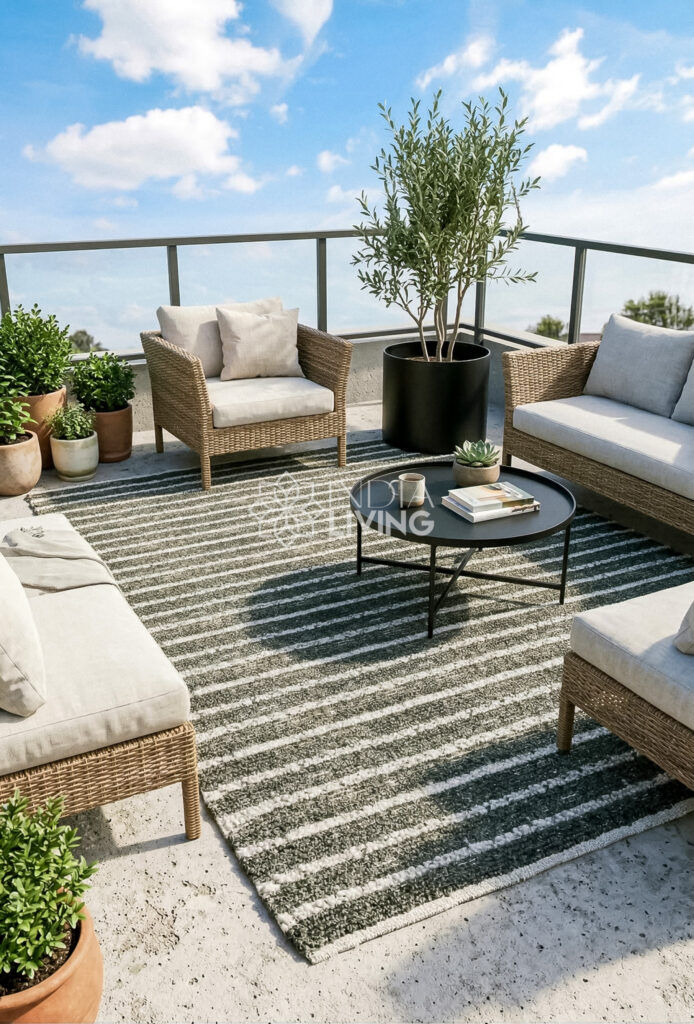
Hotels and resorts use textured rugs in lobbies, guest rooms, and dining areas to add warmth and reduce noise. Durable materials like wool and wool blends are preferred for high-traffic zones, while bamboo silk or cotton works well in quieter, low-traffic spaces.
Retail Showrooms
Retailers use textured rugs to create inviting, layered displays that encourage customers to linger. The tactile quality of handwoven rugs helps showcase other home décor products and enhances the overall shopping experience.
Residential
Homeowners and interior designers favor textured rugs for living rooms, bedrooms, and home offices. These rugs add coziness and sophistication, especially in minimalist or Scandinavian-inspired interiors.
Custom Projects
Custom sizing and bespoke designs are increasingly accessible for B2B buyers. Whether it’s a large statement piece for a hotel lobby or a series of coordinated rugs for a residential development, handwoven textured rugs can be tailored to specific project needs.
Sourcing Tips for B2B Buyers
When sourcing handwoven textured rugs from India, keep these practical considerations in mind:
- Material variety: Choose suppliers that offer a range of natural fibers and blends to suit different budgets and applications.
- Artisan quality: Verify finishing standards, consistency in weave, and attention to detail. Handwoven rugs should feel sturdy and well-crafted.
- Turnaround times: Clarify lead times for bulk orders or custom designs, especially for time-sensitive projects.
- Export-ready packaging: Ensure your supplier provides proper packaging and documentation for international shipments.
- Customization options: Look for manufacturers that can adjust size, color, and texture to match your project specifications.
Sheeltex India offers a diverse collection of handloom rug trends with strong capabilities in natural fiber sourcing, artisan collaboration, and export logistics. Whether you need wool rugs to import or custom jute pieces, working with an experienced supplier makes the process smoother.
Conclusion
Handwoven textured rugs are more than a passing trend—they reflect a broader shift toward tactile, sustainable, and artisan-made interiors. For wholesalers, retailers, interior designers, and hospitality buyers, 2026 offers exciting opportunities to source unique, high-quality pieces that meet evolving client demands. From high-low pile wool rugs to chunky jute textures, the variety available from Indian manufacturers ensures there’s a style for every project and budget.
Ready to explore handwoven textured rugs for your next collection? Contact Sheeltex India to discuss custom designs, bulk orders, and sampling options. Our team is here to help you source quality rugs with competitive pricing and reliable export support.
Enquire about your collection or project
Tell us which products you need, your preferred sizes, quantities and destination. You can also share your collection or project requirements.
Make it part of your
next collection.
Share the designs you like, approximate quantities and destination. Let’s discuss samples, pricing and custom options.
