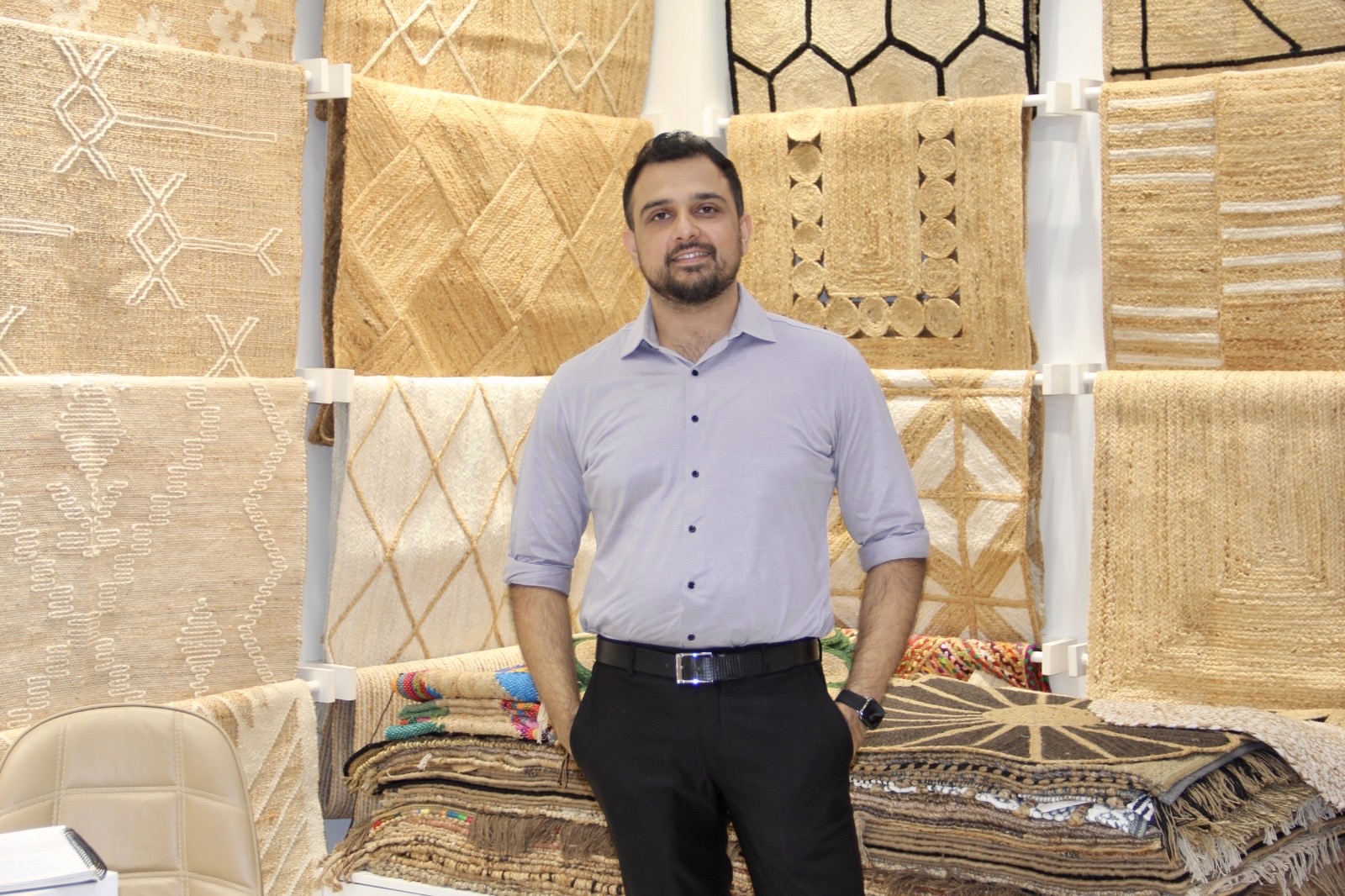

2026 Shift: How Indian Rug Suppliers Are Becoming Thought-Led Export Partners By Vivek Sheel
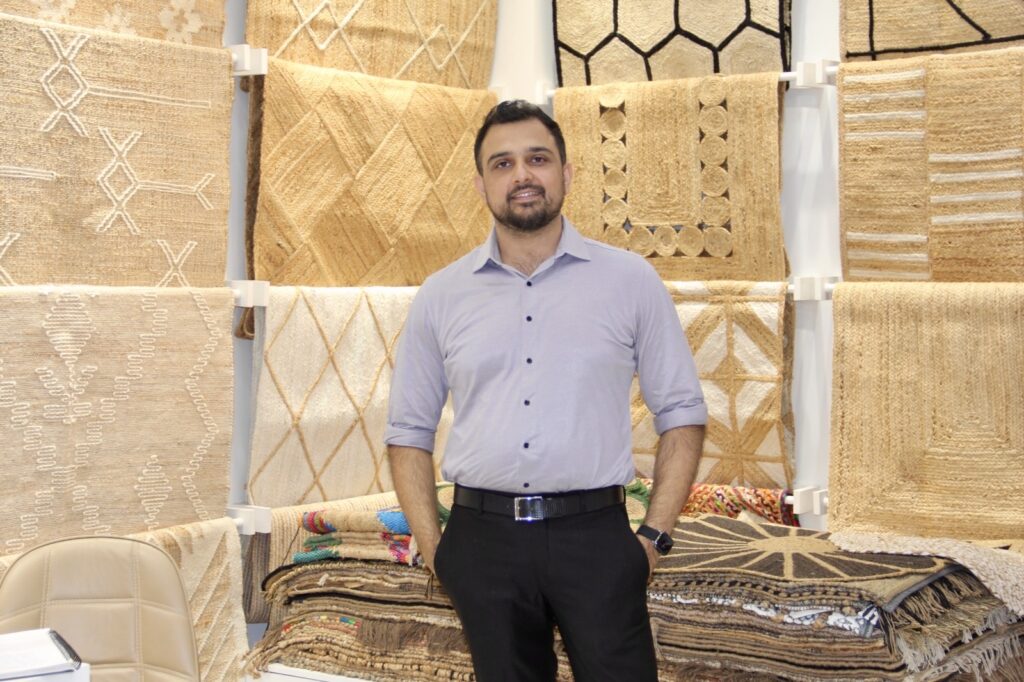
By Vivek Sheel, Partner at Sheeltex India
The rug sourcing model that worked in 2015 won’t work in 2026. Indian rug suppliers are no longer just manufacturers filling orders—they’re becoming design-led partners who offer trend insights, material innovation, and storytelling support. This shift is changing how global buyers approach sourcing, and companies like Sheeltex are leading the way.
Key Takeaways
- Indian suppliers are evolving from order-takers to strategic partners who contribute design intelligence and trend forecasting
- Buyers now expect pre-vetted design direction and material innovation, not just competitive pricing
- Thought leadership through content, education, and storytelling helps suppliers stand out in a crowded market
- Design-first manufacturing speeds up product development and reduces risk for retailers and interior designers
- Transparency in sustainability and craft storytelling is now essential for conscious luxury buyers
From “Supplier” to “Export Partner”
The relationship between Indian rug suppliers and global buyers is fundamentally changing. Ten years ago, the conversation was about MOQ flexibility and price per square meter. Today, buyers in the EU, US, and Australia want partners who bring design point of view, material research, and trend curation to the table.
This evolution means suppliers must think like brands. At Sheeltex, we don’t wait for complete design briefs—we bring the brief. We co-create collections with buyer feedback, monitor global color trends, and suggest form directions based on what we’re seeing across markets. This proactive approach transforms the supplier-buyer dynamic into a genuine partnership.
The difference is clear: traditional suppliers offer catalogs and wait for orders. Modern export partners offer design systems, moodboards, and curated collections that align with where the market is heading. Partnering with Indian manufacturers who understand this shift means faster time to market and better-informed product decisions.
What Thought Leadership Means in Rug Exports
Thought leadership isn’t about posting generic content—it’s about sharing real design philosophy, forecasting material directions, and educating buyers on smarter sourcing strategies. For Indian rug exporters, this means publishing insights that buyers can actually use.
Examples include guides on jute versus wool performance in high-traffic hospitality settings, care instructions that retailers can pass to end customers, or design briefs tailored for boutique hotels versus residential projects. This type of educational content positions suppliers as curatorial voices, not just production facilities.
At Sheeltex, we focus on being that voice in handmade and tufted rug categories. We share what we’re learning about material behavior, craft techniques, and emerging design languages. This builds trust and makes it easier for buyers to choose us as their long-term sourcing partner.
Design-Led Manufacturing: Beyond the Catalog
Buyers don’t want catalogs anymore. They want moodboards, color stories, and design systems that help them visualize collections before committing to production. This requires Indian suppliers to invest in in-house design capabilities.
Design-led manufacturing means having Adobe-based workflows, Pantone matching systems, and rapid proto sampling. It means understanding that interior designers and project buyers make decisions based on visual narratives, not just product specifications. When a supplier can present a cohesive design story, the buy-in happens faster.
We’ve shifted our approach at Sheeltex to prioritize design first. Every collection starts with a design concept and material story before moving to production planning. This method reduces revisions, speeds up approvals, and creates products that align with current market aesthetics. For buyers, this means less risk and more confidence in their purchasing decisions.
Storytelling as a Competitive Differentiator
Every rug now needs a story. Where was it made? Who crafted it? Why was this material chosen? What inspired the design? These aren’t optional details—they’re essential selling points, especially in the conscious luxury segment.
Storytelling helps retailers and designers connect products to end customers. A rug isn’t just a floor covering—it’s a piece with craft heritage, artisan impact, and design intention. Buyers increasingly need these narratives to differentiate their offerings in competitive markets.
At Sheeltex, every collection comes with a narrative. We document the region where it was made, the weave type and technique, and the material ethos behind our choices. This transparency isn’t just marketing—it’s how modern buyers evaluate suppliers. Global importers trust suppliers who can tell authentic stories about their products.
Sustainability and Material Innovation Made Simple
Sustainability is no longer a niche concern—it’s mainstream. Buyers want to know about GRS-certified wool, low-impact dyes, and biodegradable backing materials. But they don’t want jargon or complicated certifications—they want clear, simple information.
Indian suppliers need to create sustainability snapshots that buyers can easily understand and share with their customers. This means transparent material sourcing, clear statements about artisan welfare, and honest communication about where you are in your sustainability journey.
Sheeltex focuses on transparent practices: we document our material sources, experiment with eco-friendly alternatives, and share artisan welfare stories as part of our brand narrative. We’re not claiming perfection—we’re showing progress and inviting buyers to be part of that journey. This honest approach builds stronger, more authentic partnerships.
Data-Informed Trend Forecasting
Modern Indian suppliers are tracking color, texture, and silhouette trends just like brands do. This isn’t about expensive research reports—it’s about being observant and connected to what’s happening in global design markets.
At Sheeltex, we monitor Pinterest trends, analyze trade show patterns, and create buyer feedback loops to guide our collection planning. We notice when earth tones shift toward warmer or cooler palettes, when texture preferences move from flat-weave to high-pile, or when geometric patterns give way to organic forms.
Sharing this trend intelligence with buyers is a major value-add. Instead of waiting for buyers to research trends themselves, we come to conversations with informed perspectives on where design is heading. This collaborative approach to adapting to global trends makes product development faster and less risky for everyone involved.
Benefits for Buyers Working with Thought-Led Partners
When buyers work with thought-led export partners instead of traditional suppliers, the advantages are tangible:
- Faster product development cycles: Design direction is already researched and presented, reducing back-and-forth time
- Pre-researched design directions: Buyers get access to trend insights and material intelligence without doing the groundwork themselves
- Lower risk in trend bets: Informed design decisions based on real market observation reduce the chance of investing in products that miss the mark
- Co-branded storytelling opportunities: Rich material and craft narratives help buyers create compelling marketing for their end customers
- Long-term collaboration: Relationships move from transactional ordering to strategic partnership, with shared investment in success
These benefits matter more in 2026 than price advantages alone. Buyers are looking for fewer, deeper partnerships with suppliers who understand their business challenges and can contribute meaningful solutions.
The Sheeltex Approach: Design Consultancy Meets Manufacturing
At Sheeltex, we’ve intentionally positioned ourselves as a hybrid between design consultancy and manufacturer. We don’t just execute production—we contribute to the creative process from the beginning.
This means investing in design talent, building material libraries, creating seasonal trend presentations, and developing storytelling frameworks for every collection. It means being comfortable sharing our design philosophy and inviting buyers into collaborative creation.
The result is a different kind of sourcing relationship. Buyers come to us not just for competitive pricing or reliable quality—they come for design partnership and insight sharing. They know we’re tracking the same trends they are, thinking about the same customer needs, and invested in creating products that succeed in their markets.
Conclusion
The shift from supplier to thought-led export partner isn’t optional—it’s where the Indian rug industry is heading. Buyers don’t need more vendors offering similar products at slightly different prices. They need strategic partners who bring design intelligence, material innovation, and authentic storytelling to the relationship.
This transformation requires Indian exporters to invest in design capabilities, develop their brand voice, and share knowledge generously. Those who make this shift will build stronger, longer-lasting partnerships with global buyers. Those who stay in the old transactional model will find themselves competing only on price—a race to the bottom that benefits no one.
At Sheeltex, we’re committed to leading this evolution, one thoughtful collection at a time.
Ready to Work with a Thought-Led Export Partner?
If you’re a wholesaler, retailer, interior designer, or project buyer looking for an Indian rug supplier who brings design intelligence and strategic thinking to your sourcing, let’s talk. We offer flexible MOQs, custom design development, and collaborative collection planning. Contact Sheeltex India to discuss your next project and experience the difference of working with a true export partner.
Enquire about your collection or project
Tell us which products you need, your preferred sizes, quantities and destination. You can also share your collection or project requirements.
Make it part of your
next collection.
Share the designs you like, approximate quantities and destination. Let’s discuss samples, pricing and custom options.
