
Indian Wool Rugs: Why Wholesale Buyers Keep Coming Back
Last updated: September 2026
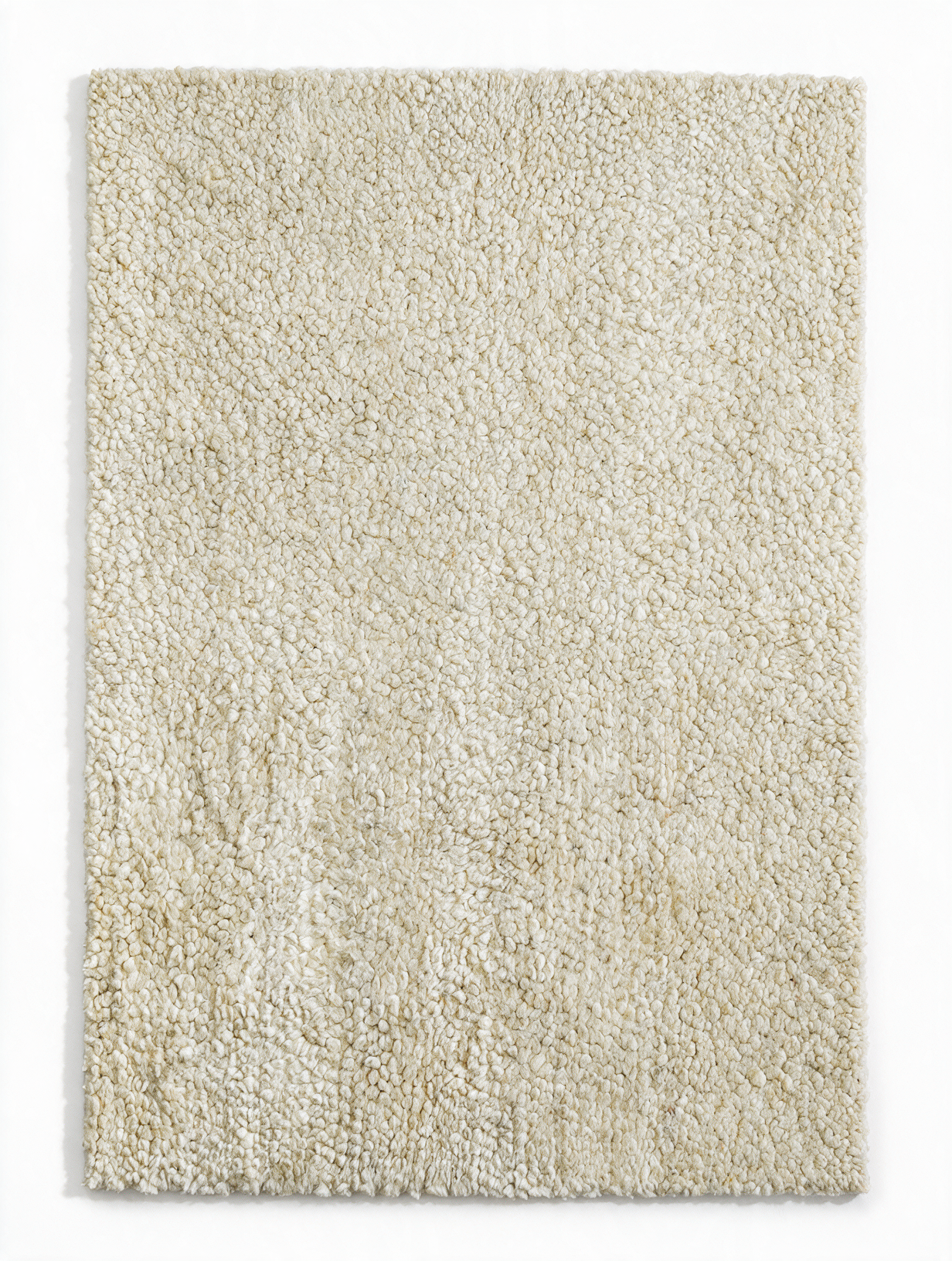
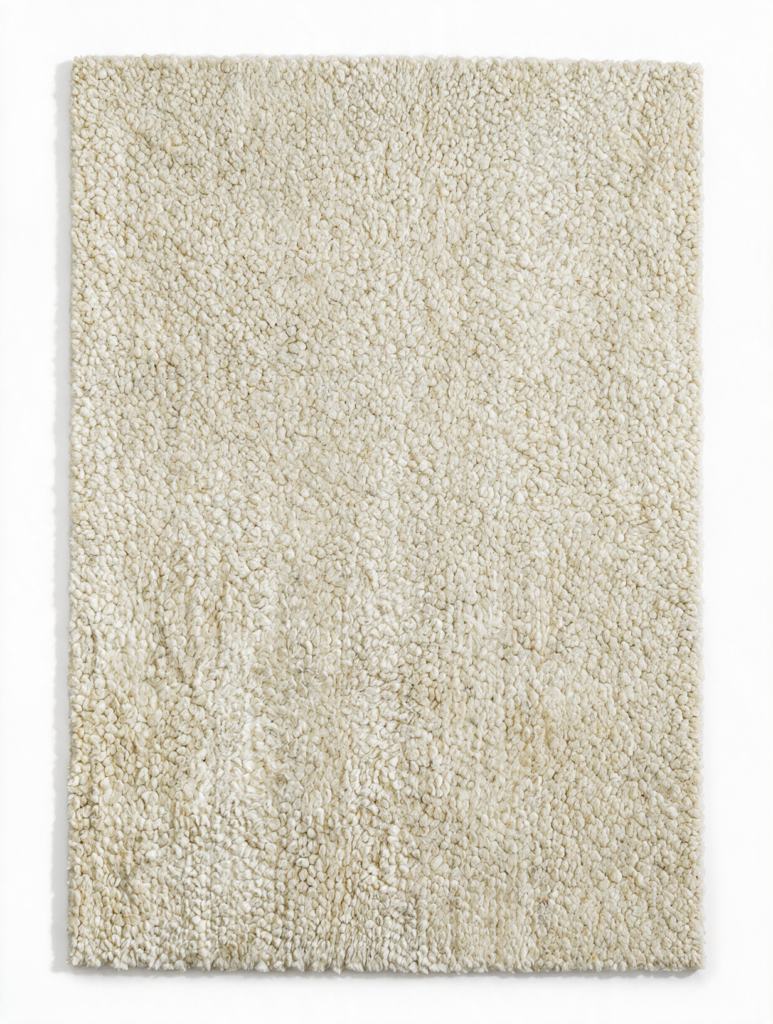
Wool rugs from India keep landing back on reorder sheets because the fibre bounces back from crushing faster than nylon or polypropylene, hand-tufting and hand-knotting let one mill run curved colour fields alongside fine detail work, and a single wool catalogue can hold hundreds of SKUs without retooling a loom.
That resilience is why hotel procurement teams specify wool for lobbies and corridors ahead of synthetic blends, and why a retail buyer building a four-colourway program can stay inside one construction family instead of splitting the order across suppliers.
Inside India’s Wool Weaving Cluster
Indian wool rug production concentrates in a handful of weaving clusters in the north, where tufting frames, carding units and finishing houses sit within a few kilometres of each other — a structure that lets a buyer walk sourcing, carding, weaving and finishing in a single day instead of a multi-city tour.
That density is also why wholesale wool rug programs built around a dozen or more colourways can still hit realistic sampling windows — the yarn store, the tufting shed and the binding unit are rarely more than a short drive apart, so a colour change doesn’t stall the whole run waiting on a subcontractor across the state.
In our 2026 catalogue, wool accounts for 159 of the standing SKU designs across cut-pile, carved and boucle-loop constructions — up from roughly 120 two years earlier, largely on hotel groups switching corridor runners and feature rugs away from synthetic pile. Our weaving units in northern India run tufting frames and finishing lines on the same floor, which is the practical reason sample turnaround holds at 10-14 days even across multiple colourways in one order.
Wool Sourcing and Carding: What Determines Quality
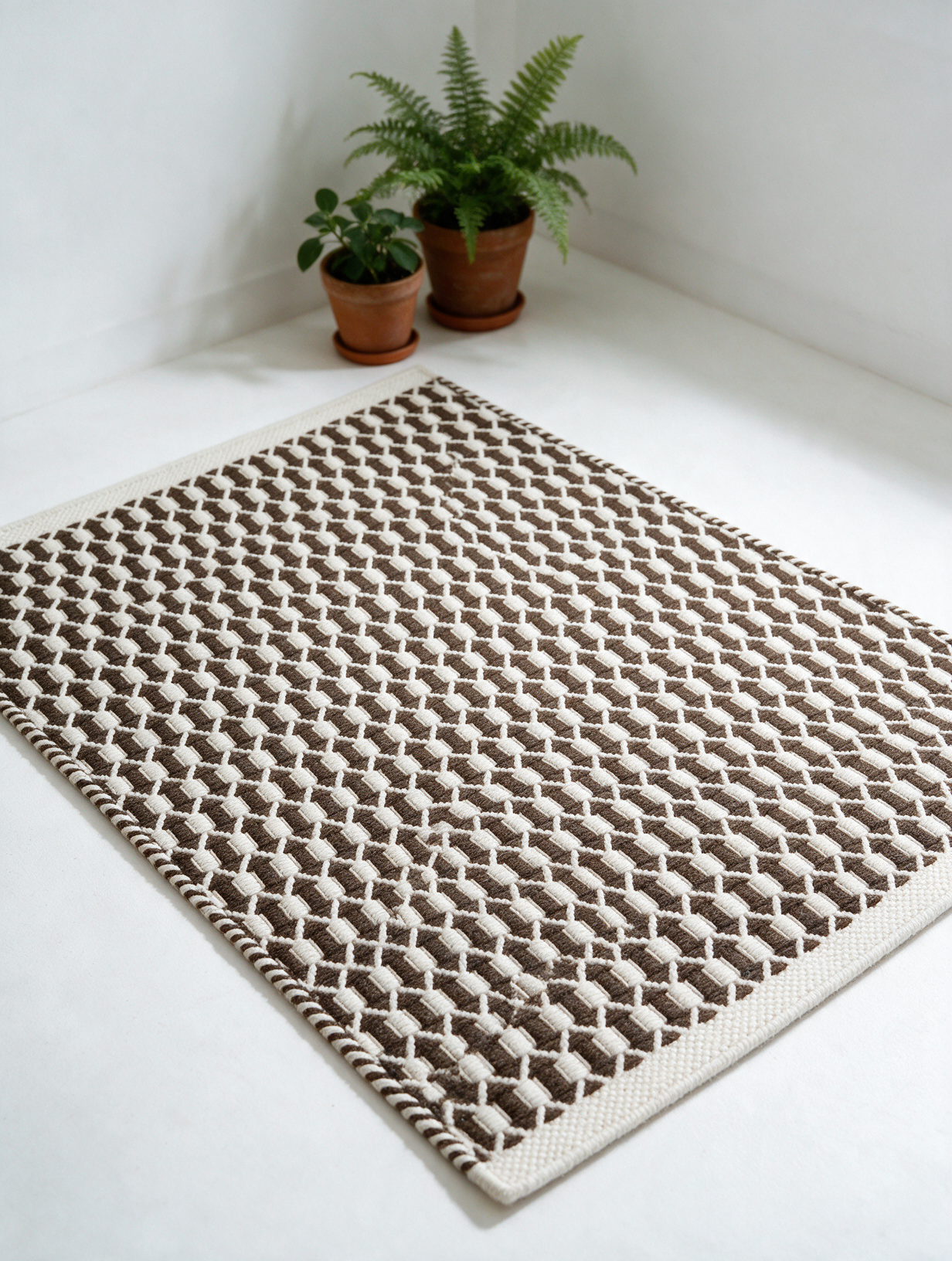
Wool quality for hand-tufted and hand-knotted rugs comes down to fibre source, micron count, and how the wool is carded before spinning — hand-carding preserves longer fibre length and produces the slight thickness variation that buyers now specify by name instead of treating as a defect.
New Zealand crossbred wool is the default fibre across most Indian wool rug production, chosen for the balance it strikes between sheen, bounce and cost against merino or domestic wool blends. Carding is where a lot of quality drifts unnoticed: machine-carded wool spins faster and more consistently, but hand-carded wool rugs carry the irregular slub that reads as handmade texture rather than a flaw, which is exactly what buyers building artisanal or heritage-adjacent ranges are asking suppliers for.
Specify wool origin without a micron range and two production runs, months apart, can come back feeling noticeably different in hand even though both are labelled the same fibre. Ask for a micron band in the spec sheet, not just a country of origin — it’s the one line most RFPs leave out and the one line that actually protects a reorder.
Wool Rug Constructions: Hand-Tufted vs Hand-Knotted
Wool rugs run in two constructions: hand-tufted, where a tufting gun pushes yarn through a primary backing to build cut pile, loop pile, or a carved combination of both; and hand-knotted, where every yarn is hand-tied to a warp thread, a slower process that allows finer detail but ties price directly to knot count per square inch.
| Construction | Design capability | Typical production time | Price driver | Best fit |
|---|---|---|---|---|
| Hand-tufted | curved colour fields, carving between pile heights, true loop pile | 25-35 days after sample approval | pile height and density | large-run retail, hospitality corridors, feature rugs |
| Hand-knotted | fine detail, sculpted texture, traditional motifs | 8-14 weeks depending on knot count | knots per square inch | heirloom-style programs, low-volume premium lines |
Boucle loop is worth calling out on its own: it’s a deliberate, separate product from cut pile, not a tufting mistake left uncut, and it’s why the same base construction can read as a chunky textured loop in one colourway and a sharp carved field in the next. Buyers weighing the two constructions in more depth can see the full trade-offs between hand-knotted and hand-tufted rugs laid out side by side.
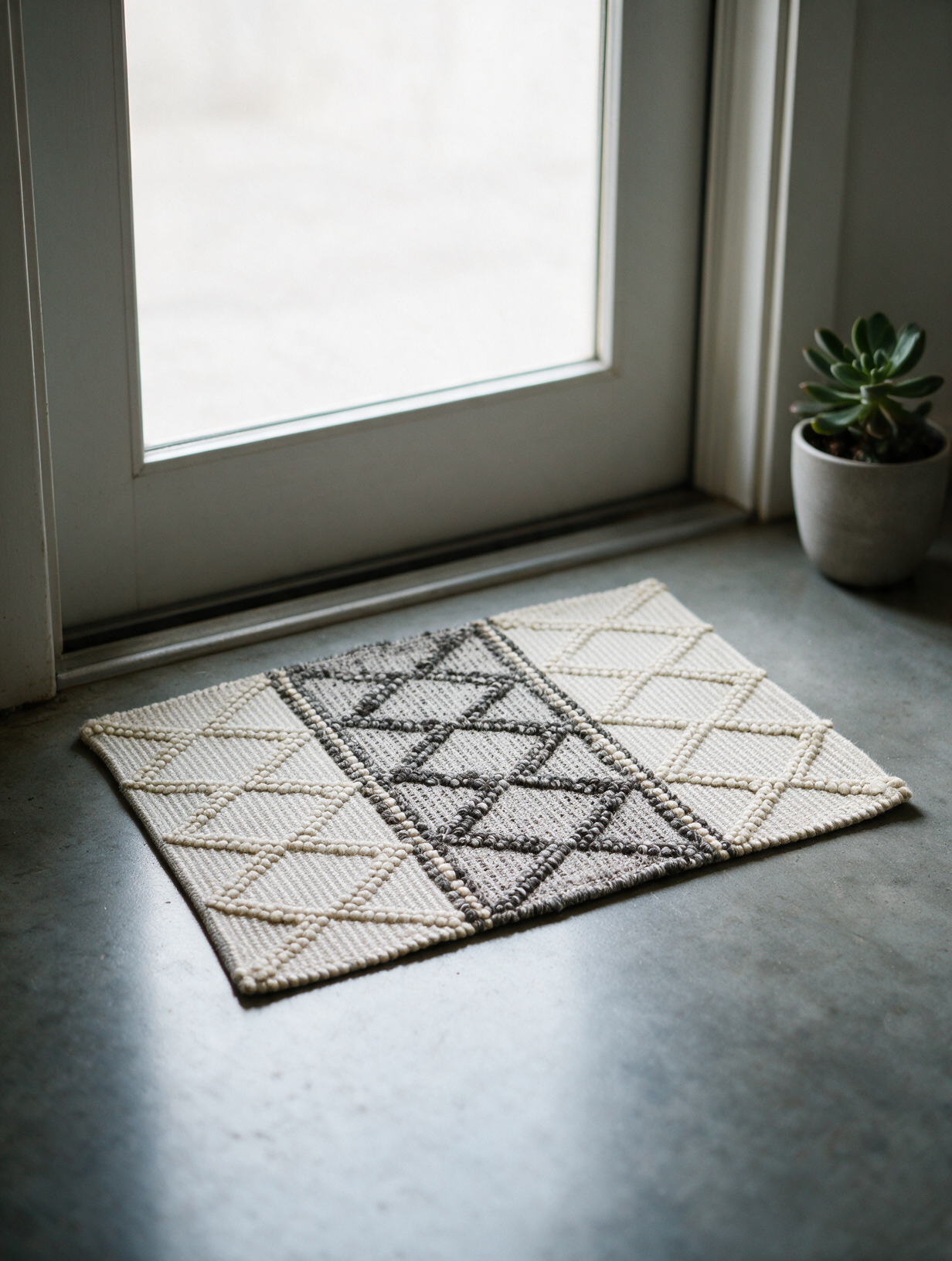
Across export orders we shipped in 2025, roughly 70% of wool rug volume left as hand-tufted cut-pile or boucle loop, with hand-knotted holding the remaining share almost entirely in designer and hospitality feature-rug orders — a split worth knowing before you build a size and colourway matrix around the wrong construction.
Where Wool Rugs Belong — And Where They Don’t
Wool rugs are built for indoor, dry, high-comfort spaces — living rooms, bedrooms, hotel guest rooms and lobbies — where the fibre’s crush recovery and warmth underfoot matter more than moisture resistance; they are not a wet-area or outdoor material, and specifying wool for a bathroom, mudroom or covered patio sets up a callback within a season.
| Setting | Wool rug fit | Why |
|---|---|---|
| Living rooms, bedrooms | Yes | crush recovery, warmth, no standing moisture |
| Hotel lobbies, corridors | Yes | fibre resilience under repeat foot traffic |
| Bathrooms, mudrooms | No | wool holds moisture and won’t dry between uses |
| Covered patios, outdoor decks | No | UV and damp exposure degrade the fibre over time |
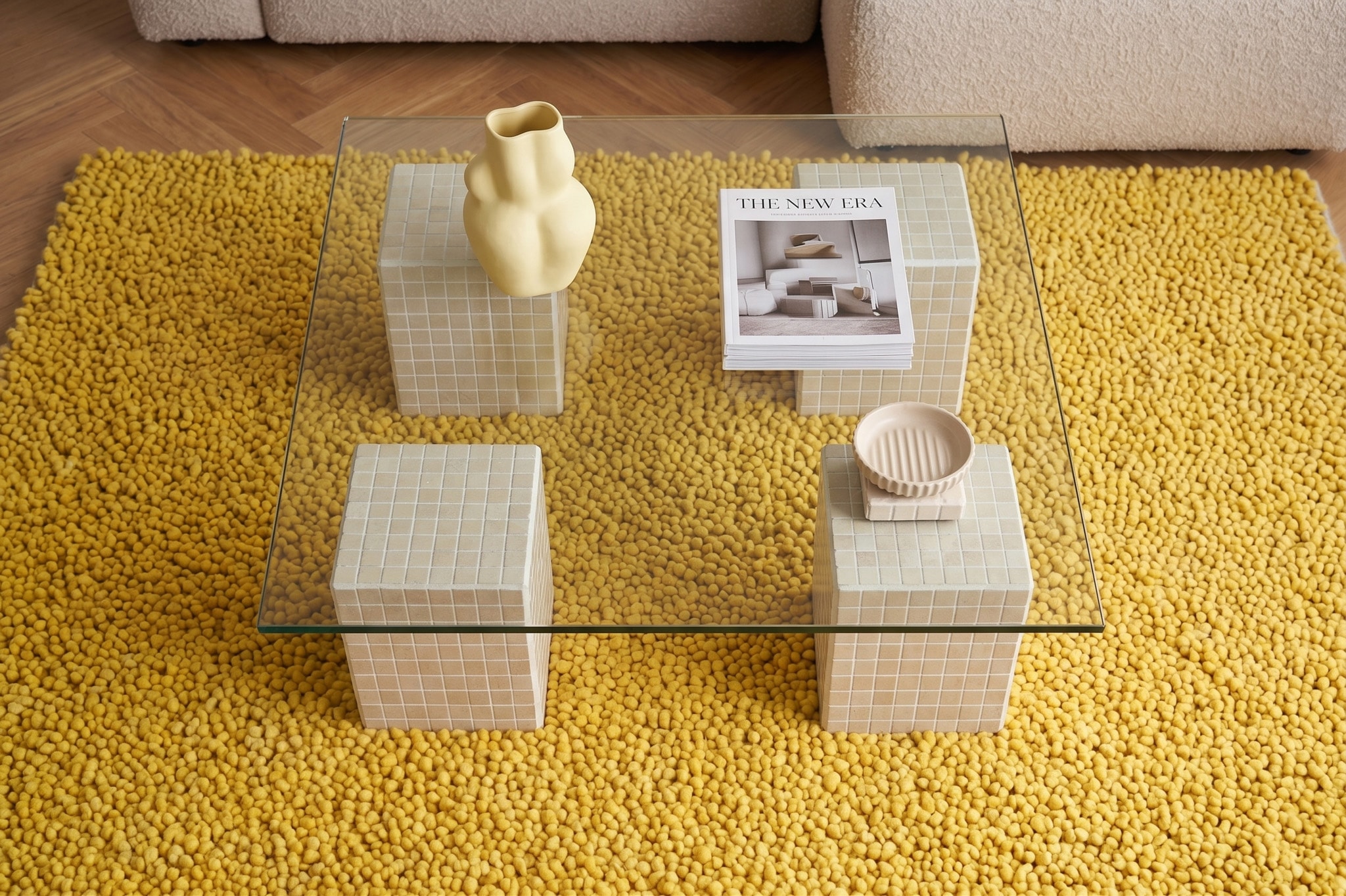
Wool goes where people sit, sleep and gather; it never goes where water pools. Save wet-area and outdoor programs for synthetic or braided constructions and keep wool for the rooms guests actually linger in — the reorder pattern on wool has always tracked dry, high-comfort placements, including the chunkier textures in chunky wool loop rugs that retail buyers now stock specifically for bedrooms and family rooms.
What a Buyer Visit to a Wool Workshop Looks Like
A wool rug buyer visit typically covers four stops in one day: the wool and yarn store where micron and lot samples get checked against spec, the carding and spinning floor, the tufting or knotting frames where a live sample can be started, and the finishing area for carving, binding and edge inspection.
Buyers who skip the frames miss the one thing a photo can’t show — actual pile density mid-run. A category manager sourcing 300 pieces across four colourways for a hotel refurbishment will usually ask to see a frame partway through, not just a finished sample corner, because a small sample can read denser than the bulk of a 2.4m runner once the tufting gun has covered a full field.
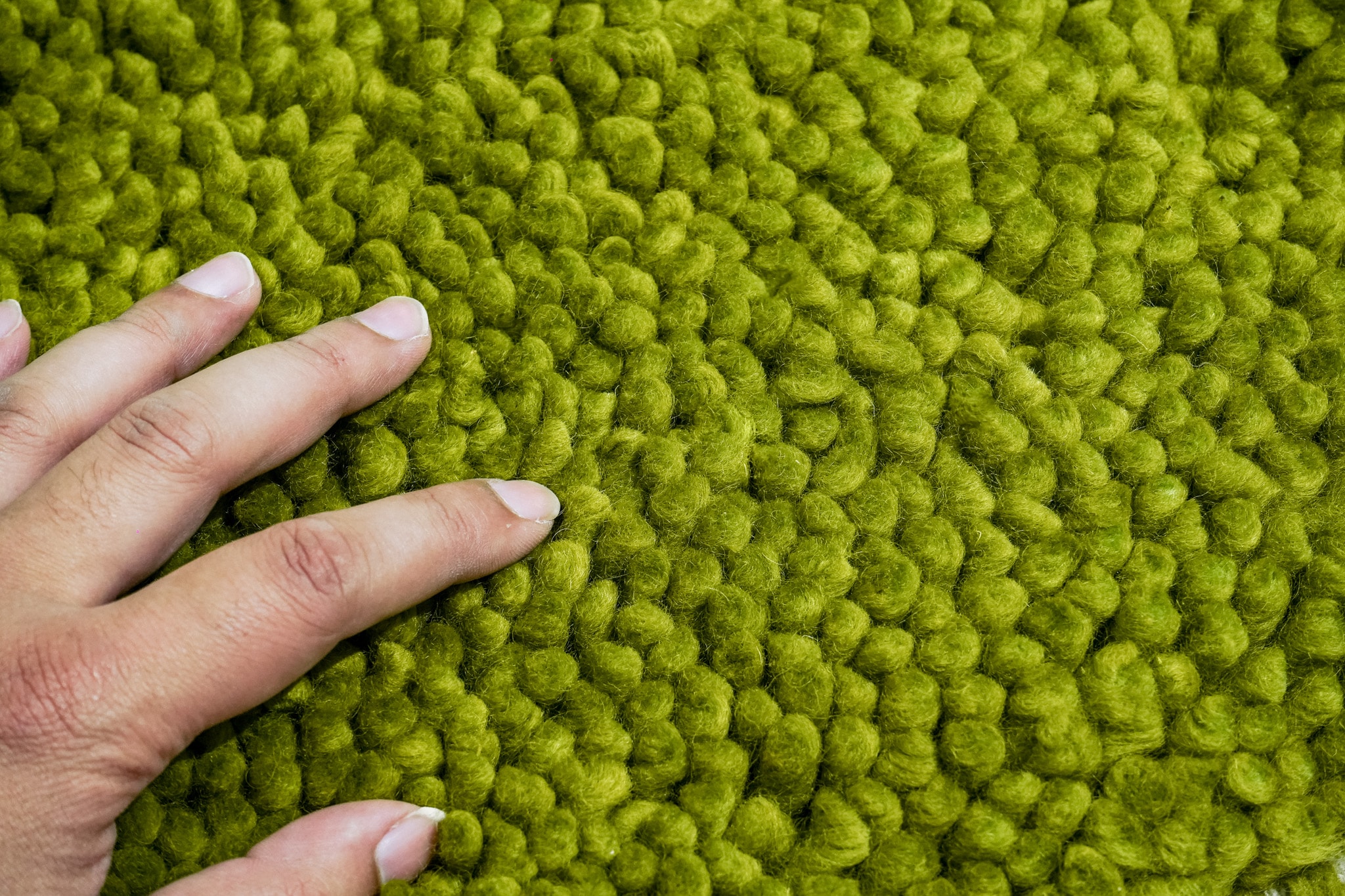
Most merchandiser teams walk that same four-stop route with buyers before quoting, and it’s worth asking any supplier whether they’ll let you see the frame, not just the finished piece — it’s the fastest way to catch a density or colour drift before it becomes a shipment. Buyers scanning a full year’s range often start with a shortlist like wool rugs to import from India before narrowing to construction and colourway.
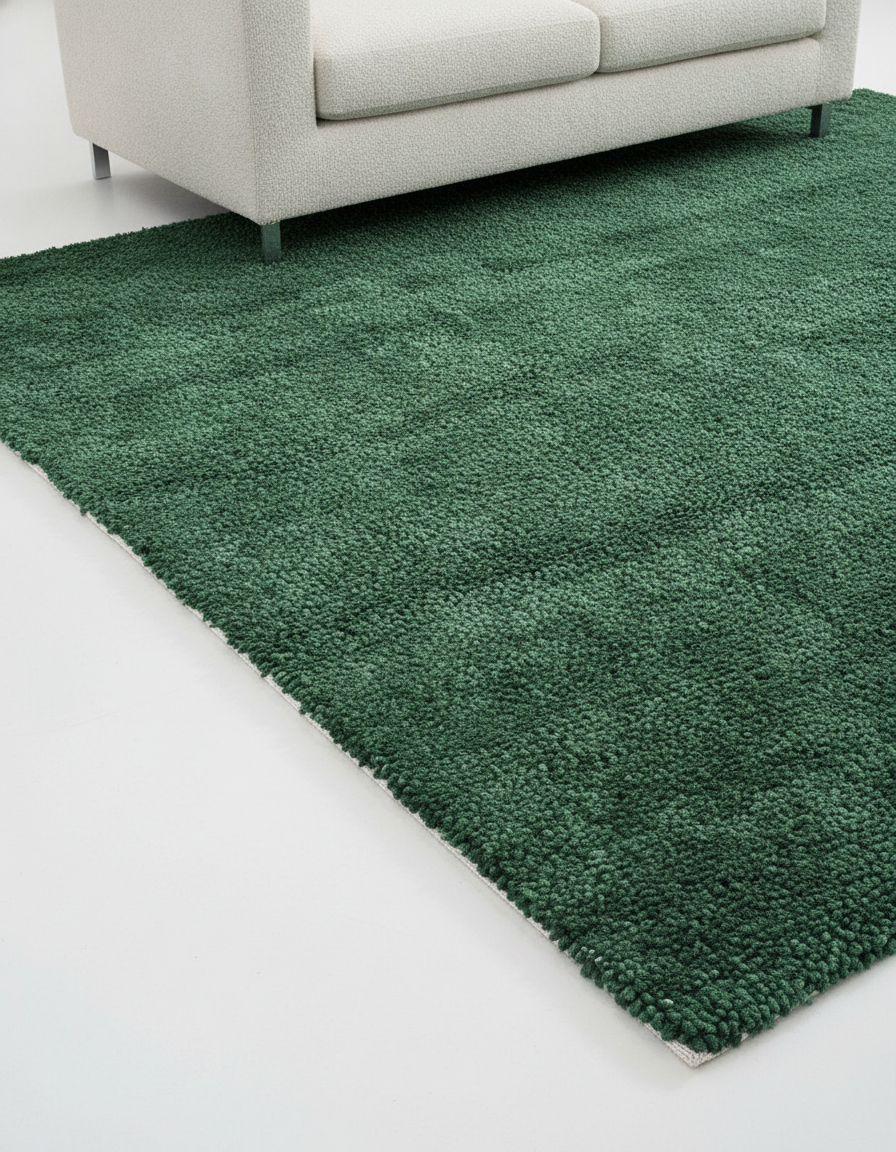
If you’re scoping a wool program for a Q4 hospitality refit or a retail reset, we can put together a sample plan across cut-pile, carved and boucle-loop constructions within 10-14 days — send a tearsheet and we’ll come back with a quote.
Frequently Asked Questions
What is the MOQ for wholesale wool rugs from India?
MOQs for wool rugs typically run per colourway rather than per design, often starting around 50-100 pieces for hand-tufted cut-pile or boucle loop in a standard size. Hand-knotted programs usually carry higher minimums since knotting time doesn’t scale down efficiently below a certain order size.
How long does sampling take for a custom wool rug?
Hand-tufted wool samples typically take 10-14 days from approved artwork and colour lab dips. Hand-knotted samples run longer, often 3-4 weeks, because knotting speed per square inch doesn’t compress the way tufting does regardless of order urgency.
Can wool rugs be customized in size and colourway for private label programs?
Yes. Hand-tufted construction supports custom sizing, shape cutting and colour matching against a supplied Pantone or fabric swatch. Hand-knotted customization is possible but adds lead time since colour changes mean re-dyeing yarn lots before knotting starts.
What’s the difference between hand-tufted and hand-knotted wool rugs?
Hand-tufted rugs are made by pushing yarn through a backing with a tufting gun, which allows curved colour fields and carved pile in 25-35 days. Hand-knotted rugs are hand-tied to a warp thread, taking 8-14 weeks, with price driven by knot count rather than pile height.
Are wool rugs suitable for bathrooms or outdoor use?
No. Wool rugs are made for dry, indoor spaces like living rooms, bedrooms and hotel corridors, where the fibre’s crush recovery and warmth matter most. Wool holds moisture and won’t dry between uses, so bathrooms, mudrooms and outdoor patios call for jute or synthetic constructions instead.
Enquire about your collection or project
Tell us which products you need, your preferred sizes, quantities and destination. You can also share your collection or project requirements.
Make it part of your
next collection.
Share the designs you like, approximate quantities and destination. Let’s discuss samples, pricing and custom options.
