
Rug Sourcing India: Complete Import Guide for Buyers
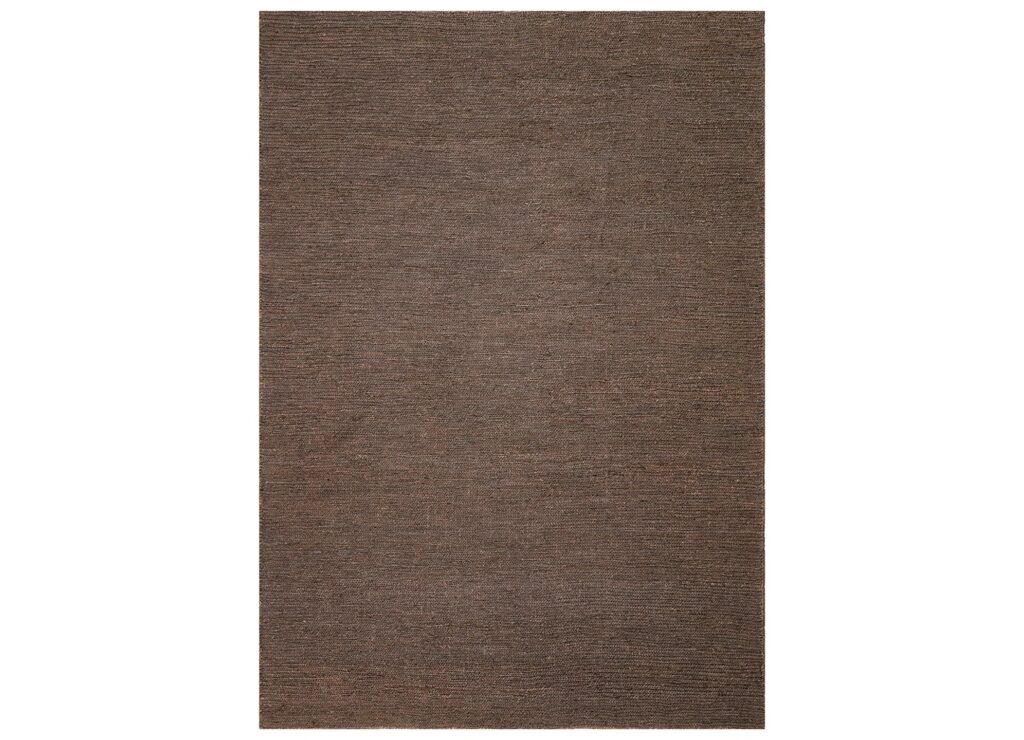
India dominates global handmade rug exports, producing over 90% of the world’s hand-knotted and hand-tufted floor coverings. Buyers source from India for unmatched craft, material diversity, and cost efficiency—but navigating supplier networks, variable quality, and logistics requires insider knowledge. This guide maps the end-to-end import process to de-risk your first order and build repeatable sourcing programs.
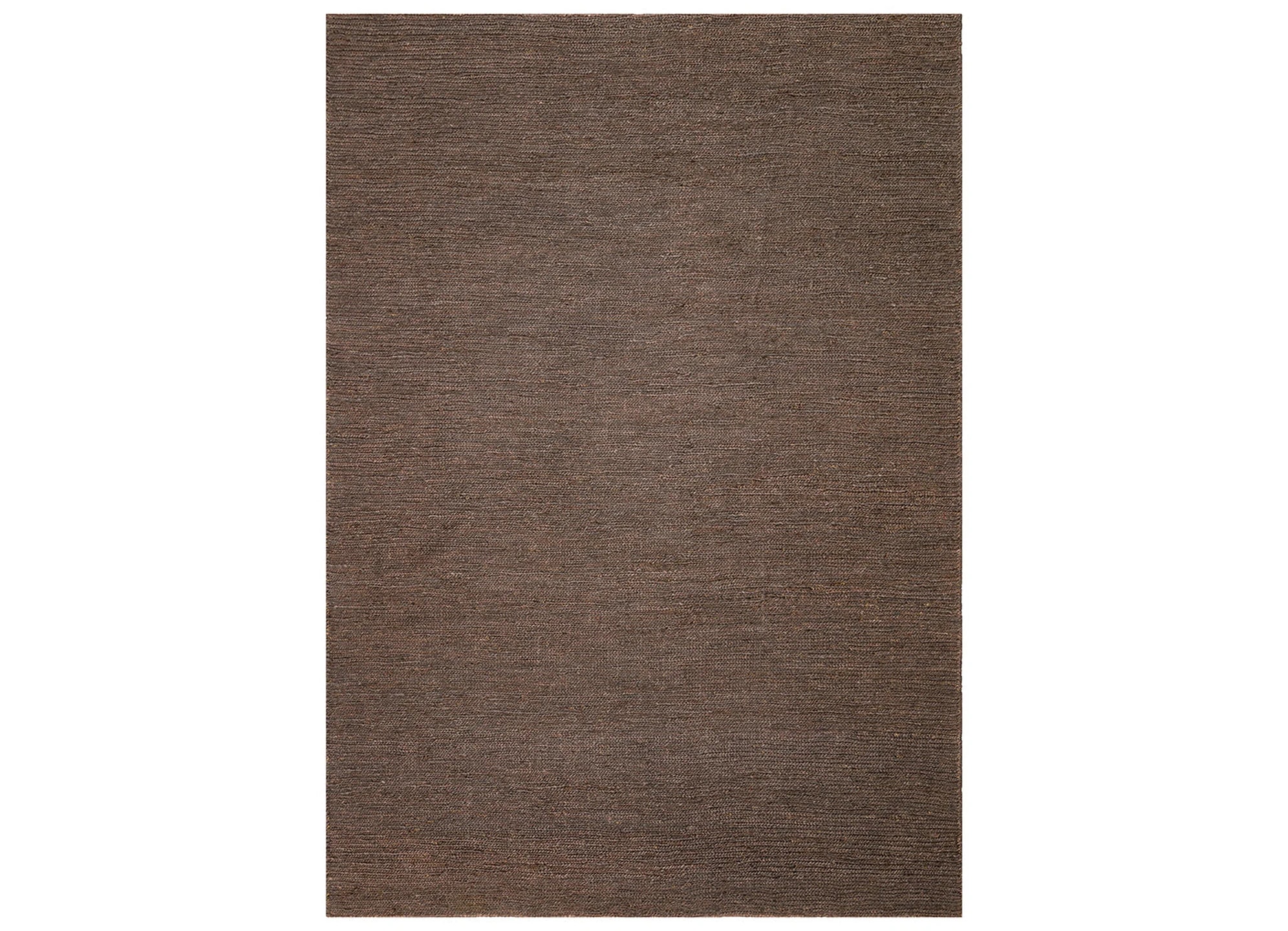
Why India Remains the Global Leader in Handmade Rug Production
India’s rug industry is not just large—it’s structurally unique. The country combines centuries-old weaving traditions with a highly skilled labor pool exceeding 2 million artisans, concentrated in clusters that specialize by technique. Government export incentives, established freight corridors, and a mature supply chain for wool, jute, cotton, and viscose give Indian manufacturers speed and flexibility that competitors struggle to match.
Unlike machine-made producers in China or Turkey, India has maintained hand-crafted production at scale. Buyers access everything from intricate hand-knotted Persian reproductions to contemporary hand-tufted designs and natural-fiber flatweaves—all with the ability to customize colorways, pile heights, and finishes within the same order. This breadth is why procurement teams for hospitality groups, retail chains, and design studios return to India season after season.
Understanding Panipat’s Cluster Advantage
Panipat, 90 kilometers north of Delhi, accounts for nearly 60% of India’s handmade rug exports. The city’s advantage is infrastructural: over 3,000 weaving units, specialized yarn traders, dyeing facilities, washing plants, and packing warehouses operate within a 10-kilometer radius. A buyer placing an order in Panipat taps into an ecosystem where raw materials, skilled weavers, and finishing services are minutes apart—compressing lead times and simplifying quality control.
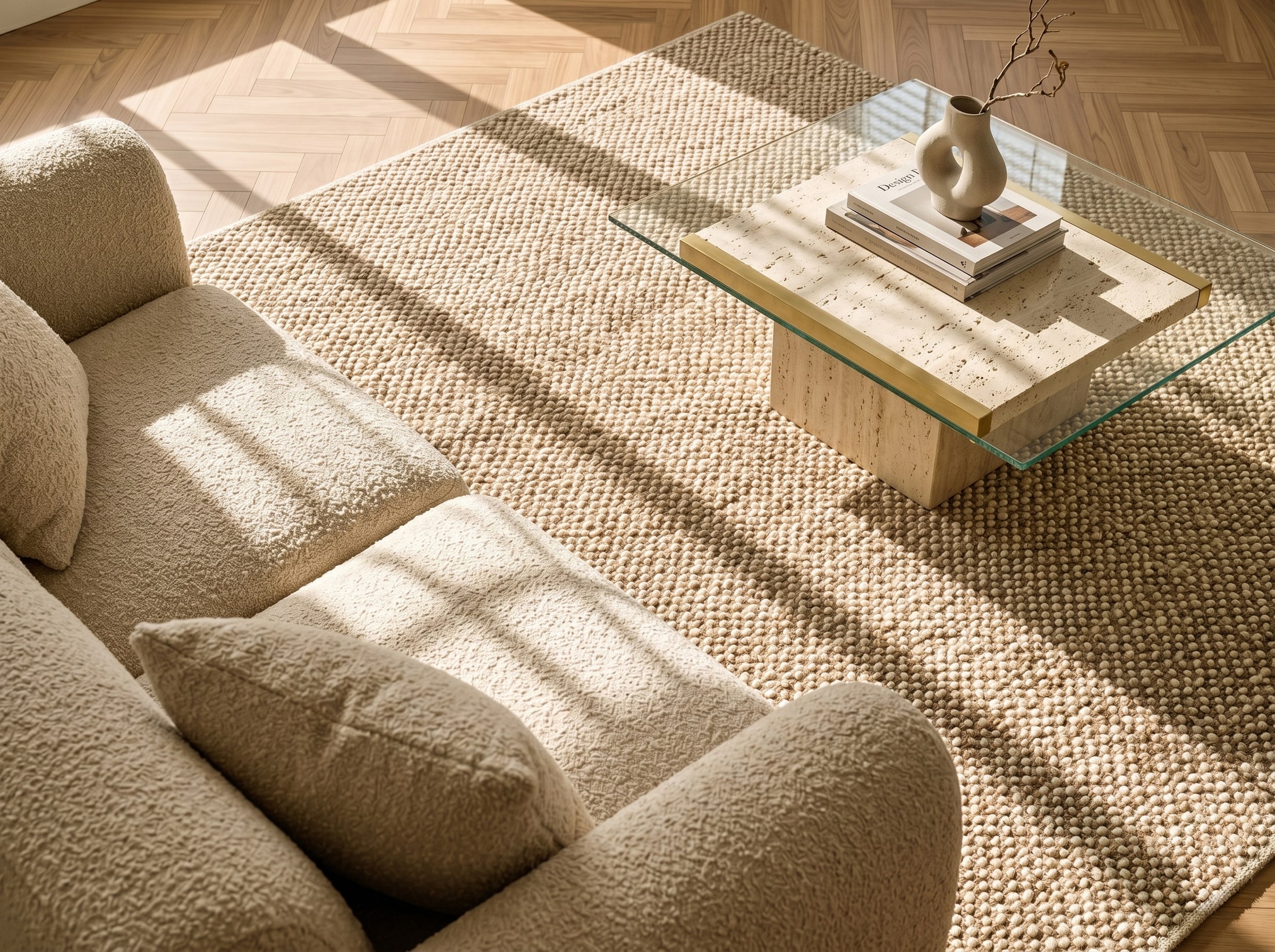
Weaving traditions here are generational. Families have specialized in hand-knotting, hand-tufting, or flatweave techniques for decades, and manufacturers maintain long-term relationships with artisan clusters. This continuity translates into consistent quality and the ability to scale orders without hunting for capacity. Export infrastructure is equally mature: customs clearance agents, freight forwarders, and testing labs for GoodWeave or OEKO-TEX certifications are embedded in the local supply chain.
For first-time importers, working with a Panipat-based exporter means fewer middlemen, faster sampling, and a single point of accountability from loom to container.
The End-to-End Sourcing Process: From Inquiry to Delivery
Sampling and Product Development
Most Indian rug suppliers require a design reference—either a physical sample, a CAD file, or detailed specs (dimensions, material, pile height, color codes). Standard sampling timelines range from 10 to 21 days, depending on technique:
- Hand-tufted: 10–14 days
- Hand-knotted: 18–25 days
- Flatweave (dhurrie, kilim): 7–12 days
Samples are typically invoiced at material cost plus a development fee (often credited against bulk orders). Expect to pay for shipping; DHL/FedEx from India to the US or EU runs 3–5 days.
Minimum Order Quantities and Pricing
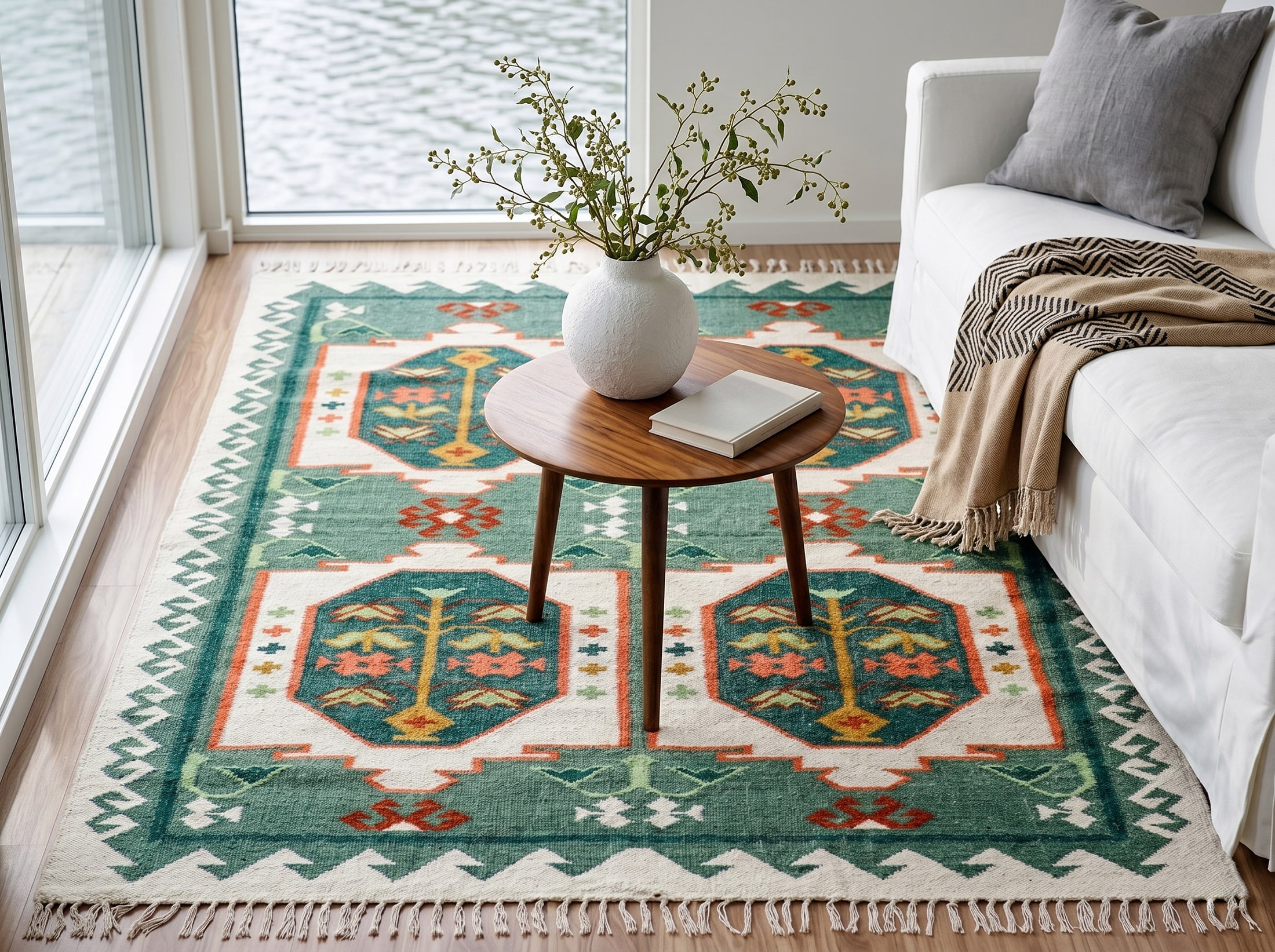
MOQs vary by construction. Hand-tufted rugs usually require 50–100 pieces per design/colorway; hand-knotted orders start at 25–50 pieces due to labor intensity. Flatweaves and natural-fiber rugs (jute, cotton) often have lower entry points—20–30 pieces per SKU.
Pricing is quoted FOB India and depends on material, density (knots per square inch for hand-knotted, gauge for hand-tufted), and finishing (carved details, fringes, binding). Wool blends cost less than pure New Zealand wool; viscose sits between cotton and silk. Always request a detailed cost breakdown to compare suppliers accurately.
Quality Checkpoints During Production
Reputable exporters conduct at least three inspections:
- Post-weaving: Check dimensions, pattern alignment, and knot/tuft density.
- Post-washing: Verify color fastness, pile stability, and finishing (shearing, carving, binding).
- Pre-shipment: Final audit for packing, labeling, and compliance documentation.
Buyers should request photos or arrange third-party inspection before the container is sealed. Video calls during production are increasingly common and help catch issues early.
Navigating Certifications, Customs, and Compliance
US, EU, and UK markets have distinct import requirements. Common certifications buyers request:
- GoodWeave: Certifies no child labor; widely recognized in North America and Europe.
- OEKO-TEX Standard 100: Tests for harmful substances; required by many EU retailers.
- Woolmark: Authenticates wool content and quality.
Indian exporters familiar with these programs will factor testing timelines (usually 2–3 weeks) into lead times. Ensure your supplier has current certificates or can provide lab reports.

Customs classification for handmade rugs falls under HS code 5701 (knotted) or 5703 (tufted). Tariffs vary: the US applies duty rates of 2.5–7% depending on material and construction, while the EU Generalised Scheme of Preferences (GSP) often grants duty-free access to Indian textiles. Work with a customs broker in your destination country to confirm classification and duty rates before finalizing pricing.
Compliance paperwork typically includes:
- Commercial invoice
- Packing list
- Bill of lading or airway bill
- Certificate of origin (for GSP claims)
- Product test reports (if applicable)
Your exporter should provide all documents in digital and hard copy, organized for smooth clearance.
How to Evaluate Indian Rug Suppliers
Not all manufacturers are equal. Red flags include vague lead times, reluctance to share production photos, or no certifications on file. Green flags:
- Factory visit transparency: Willingness to host buyer audits or share video walkthroughs.
- Weaver relationships: Long-term contracts or in-house artisan teams reduce quality variance.
- Consistent communication: Regular updates during sampling and production signal reliability.
- Portfolio depth: Suppliers with 5+ years of export history and repeat clients in your target market demonstrate staying power.
Ask for client references and follow up. Serious buyers request third-party audits (BSCI, SMETA) to verify labor practices and facility conditions.
Common Sourcing Pitfalls and How to Avoid Them
Pitfall 1: Under-specifying color and finish. Handmade production introduces natural variation. Always approve a pre-production sample and use Pantone or RAL codes for custom dye lots.
Pitfall 2: Ignoring lead-time buffers. Standard production for hand-tufted rugs is 45–60 days; hand-knotted can stretch to 90 days. Add 3–4 weeks for ocean freight to the US East Coast, 5–6 weeks to the West Coast. Plan seasonal orders at least four months ahead.
Pitfall 3: Skipping third-party inspection. Even trusted suppliers have off-batches. A $200 inspection fee can save you from rejecting a $20,000 container at destination.
Pitfall 4: Treating all suppliers as commodity vendors. Handmade rugs are craft, not commodity. Suppliers who invest in artisan training, fair wages, and process documentation deliver better consistency—and are more responsive when problems arise.
Experienced exporters help buyers avoid these traps by front-loading clarity: detailed tech packs, staged payment terms tied to inspection milestones, and transparent cost structures that account for every finishing step.
Frequently Asked Questions
Q: What is the typical sampling timeline for custom handmade rugs from India? A: Hand-tufted samples take 10–14 days; hand-knotted samples require 18–25 days; flatweave samples are ready in 7–12 days. Shipping via express courier adds another 3–5 days to the US or EU. Faster timelines are possible if the supplier has similar designs in-house for modification.
Q: What are the minimum order quantities for importing rugs from Panipat? A: MOQs depend on construction. Hand-tufted rugs typically start at 50–100 pieces per design. Hand-knotted orders begin at 25–50 pieces due to labor intensity. Flatweave and jute rugs often have lower thresholds—20–30 pieces per SKU. Mixing sizes within one colorway can sometimes reduce per-SKU minimums.
Q: Can I customize designs, colors, and sizes for wholesale orders? A: Yes. Most Indian rug exporters offer full customization: you provide design references, Pantone colors, pile height specs, and dimensions. Expect to pay for a strike-off or pre-production sample. Customization adds 7–10 days to sampling but does not significantly extend bulk lead times if specs are locked before production.
Q: How long does production and shipping take for a bulk rug order? A: Hand-tufted production averages 45–60 days; hand-knotted takes 75–90 days. Add 3–4 weeks for ocean freight to the US East Coast, 5–6 weeks to the West Coast, and 4–5 weeks to Northern Europe. Air freight reduces shipping to 7–10 days but costs 4–6 times more. Always budget a 10–15% buffer for customs clearance.
Q: What certifications should I request from Indian rug suppliers? A: Common certifications include GoodWeave (child-labor-free production), OEKO-TEX Standard 100 (no harmful substances), and Woolmark (wool authenticity). For EU buyers, REACH compliance is increasingly important. US hospitality buyers often require flammability testing per ASTM standards. Reputable exporters maintain current certificates and can share lab reports within 24 hours.
Frequently Asked Questions
What is the typical sampling timeline for custom handmade rugs from India?
Hand-tufted samples take 10–14 days; hand-knotted samples require 18–25 days; flatweave samples are ready in 7–12 days. Shipping via express courier adds another 3–5 days to the US or EU. Faster timelines are possible if the supplier has similar designs in-house for modification.
What are the minimum order quantities for importing rugs from Panipat?
MOQs depend on construction. Hand-tufted rugs typically start at 50–100 pieces per design. Hand-knotted orders begin at 25–50 pieces due to labor intensity. Flatweave and jute rugs often have lower thresholds—20–30 pieces per SKU. Mixing sizes within one colorway can sometimes reduce per-SKU minimums.
Can I customize designs, colors, and sizes for wholesale orders?
Yes. Most Indian rug exporters offer full customization: you provide design references, Pantone colors, pile height specs, and dimensions. Expect to pay for a strike-off or pre-production sample. Customization adds 7–10 days to sampling but does not significantly extend bulk lead times if specs are locked before production.
How long does production and shipping take for a bulk rug order?
Hand-tufted production averages 45–60 days; hand-knotted takes 75–90 days. Add 3–4 weeks for ocean freight to the US East Coast, 5–6 weeks to the West Coast, and 4–5 weeks to Northern Europe. Air freight reduces shipping to 7–10 days but costs 4–6 times more. Always budget a 10–15% buffer for customs clearance.
What certifications should I request from Indian rug suppliers?
Common certifications include GoodWeave (child-labor-free production), OEKO-TEX Standard 100 (no harmful substances), and Woolmark (wool authenticity). For EU buyers, REACH compliance is increasingly important. US hospitality buyers often require flammability testing per ASTM standards. Reputable exporters maintain current certificates and can share lab reports within 24 hours.
Enquire about your collection or project
Tell us which products you need, your preferred sizes, quantities and destination. You can also share your collection or project requirements.
Make it part of your
next collection.
Share the designs you like, approximate quantities and destination. Let’s discuss samples, pricing and custom options.
